

Dengue Situation Worsens in Narayanganj Amid Rising Cases and Fatalities
Health authorities report a worsening dengue outbreak in Narayanganj as patient numbers surge across the district. Multiple fatalities, including local residents, have been recorded amid ongoing efforts to manage the crisis.
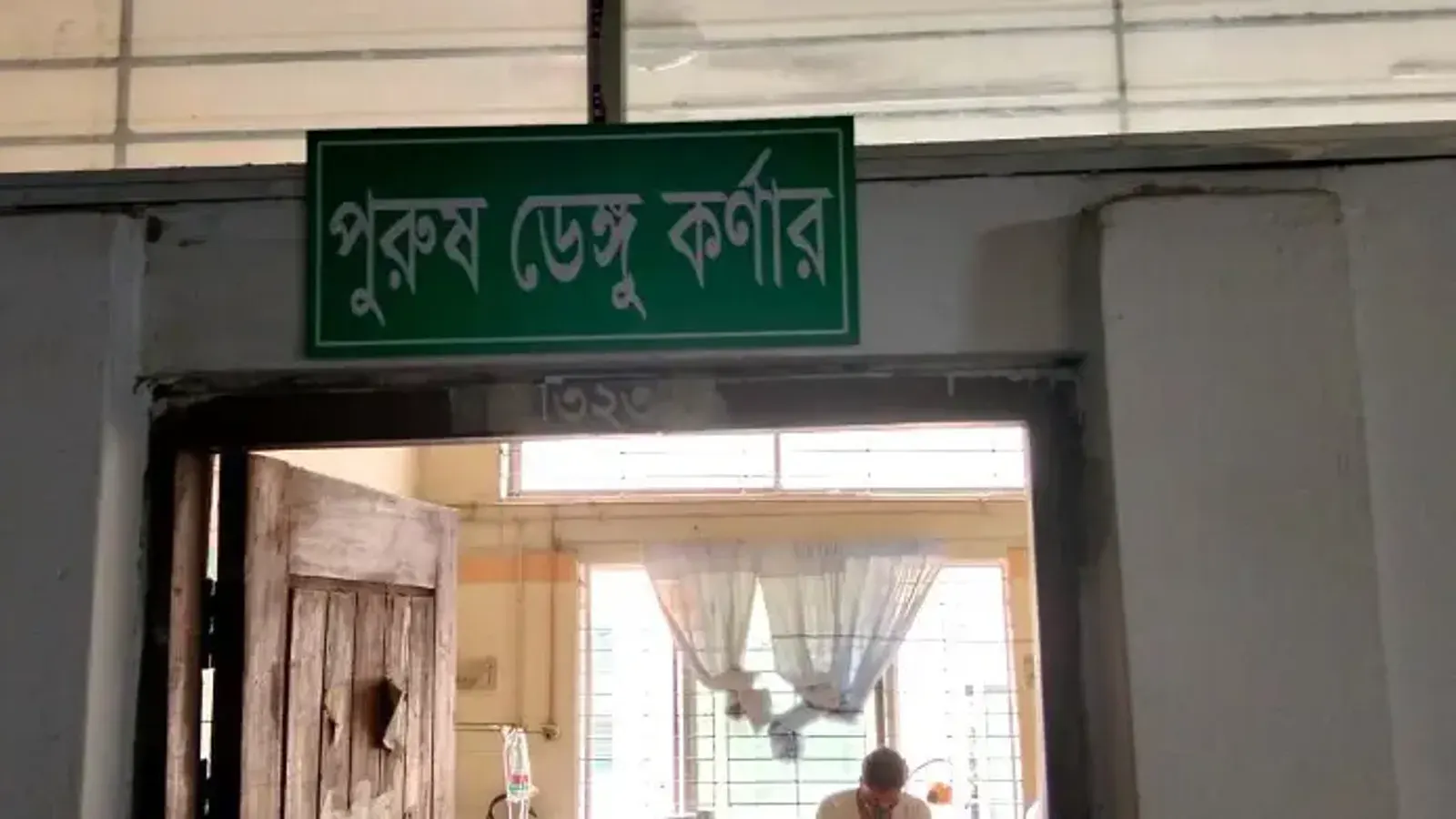
The dengue situation in Narayanganj, Bangladesh, has experienced a notable worsening, characterized by a continuous rise in both infections and fatalities across the district. According to data provided by the Narayanganj District Civil Surgeon's Office, the public health crisis has intensified significantly, drawing concern from local health officials and community members alike as hospitals continue to monitor the influx of patients seeking medical attention for the mosquito-borne virus.
Statistical reports from the district highlight the rapid transmission of the virus, revealing that a total of 710 individuals were infected with dengue in Narayanganj during the month of August alone. The outbreak has spread across various administrative regions within the district during this period, with the Sadar upazila recording 250 cases, the Bandar upazila logging 239 cases, Sonargaon seeing 100 cases, Araihazar registering 53 cases, and Rupganj reporting 49 cases. Furthermore, the upward trend has persisted into the subsequent month, with official figures showing that 146 people were infected up to the 3rd of September, and a further 41 individuals contracting the disease within the most recent 24-hour reporting period.
Tragically, the worsening outbreak has resulted in loss of life among local residents. Among the victims is Abu Siddik, a chainman at the Rupganj Upazila Land Office, who passed away while undergoing medical treatment in Dhaka. Another fatality involves Asha Begum, a housewife from the Sonakanda Chowdhurypara area located within Ward 21 of the Narayanganj City Corporation, who died while being transported to Dhaka for advanced medical care.
In response to the mounting public health concerns, medical authorities have sought to address the community's apprehension regarding hospital capacities and treatment availability. Dr. Abul Bashar stated that hospitals are sufficiently stocked with dengue testing kits and other necessary medical supplies, emphasizing that citizens do not need to panic. He noted that with proper treatment, patients recover quickly, and added that approximately 90 percent of dengue patients receive treatment at home rather than being admitted to hospital facilities, making community awareness crucial in combating the disease.
Reinforcing these sentiments, Dr. S. M. Sakhawat Hossain acknowledged that the rate of dengue infections is indeed increasing throughout the district. However, he assured the public that the health department maintains comprehensive preparations to tackle the outbreak. He stressed that with active public awareness, the dengue situation can be successfully managed through a collective effort, noting that the government is also maintaining a special focus on the unfolding crisis.