

Chattogram City Corporation Launches Special Anti-Mosquito Crash Program
Chattogram City Corporation has conducted a special mosquito eradication crash program in three city wards to prevent dengue and chikungunya. Authorities emphasize that citizen awareness and cooperation are essential alongside municipal efforts to control vector-borne diseases.
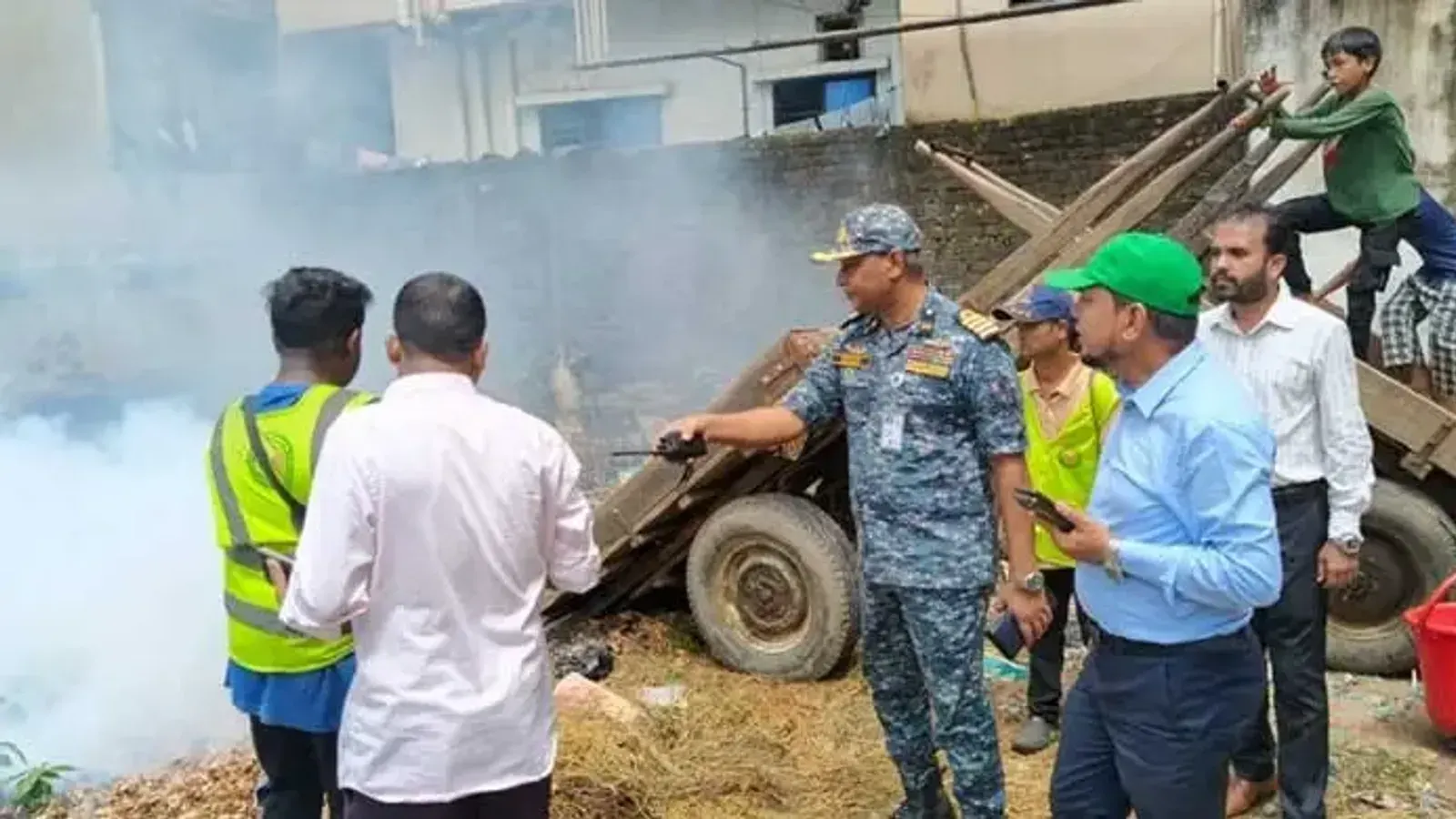
The Chattogram City Corporation has initiated a special mosquito eradication crash program targeting wards 17, 18, and 26 within the city. This targeted municipal operation, conducted on September 7, 2026, in Chattogram, aims to proactively combat the spread of vector-borne illnesses such as dengue and chikungunya through intensive local interventions.
During the special crash program, teams deployed under the authority of the Chattogram City Corporation systematically identified potential mosquito breeding grounds across the designated wards. Once identified, these vulnerable locations were thoroughly treated with mosquito control medications and the breeding sites were actively destroyed to curb the insect population.
Addressing the ongoing public health initiative, Captain Ikhtiar Uddin Ahmed Chowdhury stated that the Chattogram City Corporation is placing the highest level of priority on the prevention of dengue and chikungunya. He noted that the municipality is actively pinpointing high-risk areas within the city to execute both regular mosquito eradication operations and these specialized crash programs.
However, Captain Ikhtiar Uddin Ahmed Chowdhury emphasized that municipal actions alone are not sufficient to completely control mosquito-borne diseases. He urged all city residents to take personal responsibility for maintaining cleanliness inside their own homes and immediate surrounding areas to support the broader public health campaign.
Elaborating on specific preventive measures, Captain Ikhtiar Uddin Ahmed Chowdhury highlighted several common sites where Aedes mosquitoes can breed if neglected. He called on citizens to regularly inspect and clean rooftops, flower pots, abandoned containers, and construction sites where stagnant water can accumulate, asserting that public awareness and cooperation are vital to significantly limiting the spread of these diseases.