

Chittagong Finds Aedes Breeding Sites Including Yunus Home
A recent survey by the Chittagong City Corporation has identified 92 Aedes mosquito breeding sites across six wards in the city, including the family residence of former Chief Adviser Professor Muhammad Yunus. The findings come amid rising dengue cases in the region, with health authorities reporting 1,497 infections and three deaths between January and August 19.
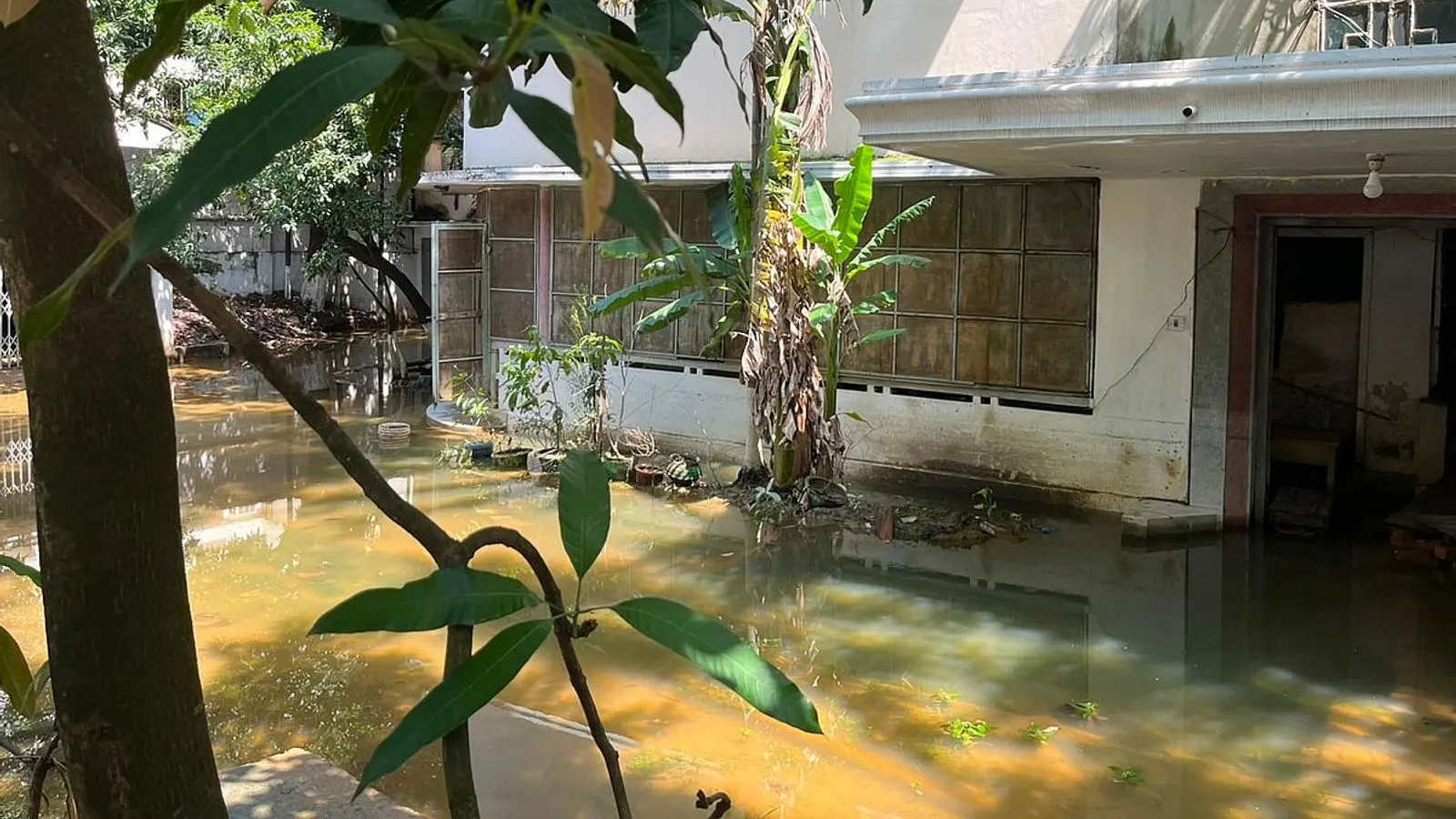
Authorities in Chittagong have identified numerous Aedes mosquito breeding grounds across various locations in the city, including the family residence of former Chief Adviser Professor Muhammad Yunus, according to recent findings from the Chittagong City Corporation. The residence, a property named 'Niribili' located in the Panchlaish residential area, was found to harbor mosquito larvae and active breeding sites, highlighting the widespread nature of the vector control challenge in the municipality.
The Chittagong City Corporation's recent survey successfully pinpointed a total of 92 Aedes mosquito breeding sites distributed across six distinct wards within the urban area. The breakdown of these locations reveals significant concentrations, with the North Kattali ward recording 31 sites, Jalalabad containing 22 sites, and Panchlaish identifying 15 sites. Furthermore, the survey noted 10 sites in each of the Chawkbazar and West Bakalia wards, alongside four additional breeding spots in Patharghata.
Beyond private residential properties, the municipal survey also flagged several institutional and commercial locations serving as breeding grounds. These comprise 11 educational institutions—specifically mentioning Chittagong College, Haji Muhammad Mohsin College, and the Government Teachers Training College—as well as four ongoing construction buildings and multiple abandoned structures that currently accumulate stagnant water.
Local accounts from the affected areas shed light on the persistence of the mosquito population. Mo. Sayem Khan commented on the local conditions, stating that water accumulation creates mosquito breeding grounds and noting that even after water recedes, the mosquito nuisance does not decrease. He added that while mosquito repellent was regularly sprayed when Professor Muhammad Yunus held the position of Chief Adviser, such spraying is no longer seen in the same regular manner.
Addressing the situation within educational premises, Mohammad Mojahedul Islam Chowdhury explained the environmental factors contributing to the issue. He noted that the college area features abundant vegetation, which has led to the formation of mosquito breeding sites, while emphasizing that regular cleaning and maintenance activities remain ongoing to destroy these locations.
This vector proliferation coincides with a concerning rise in health figures for the region. Official statistics indicate that from January through August 19, a total of 1,497 individuals have been infected with dengue in Chittagong, resulting in three deaths. The surge is heavily concentrated in the mid-summer months, with 1,199 infections occurring during July and August alone. These figures compare with the previous year's statistics for the same period, which recorded 1,272 dengue infections and a total of 14 deaths across the Chittagong district for the entirety of last year.