

Children's Muscle Cramps: Causes and Remedies Explained
Muscle cramps in children can occur after heavy physical activity or due to dehydration. Medical experts advise gentle stretching and warn against self-medicating with supplements.
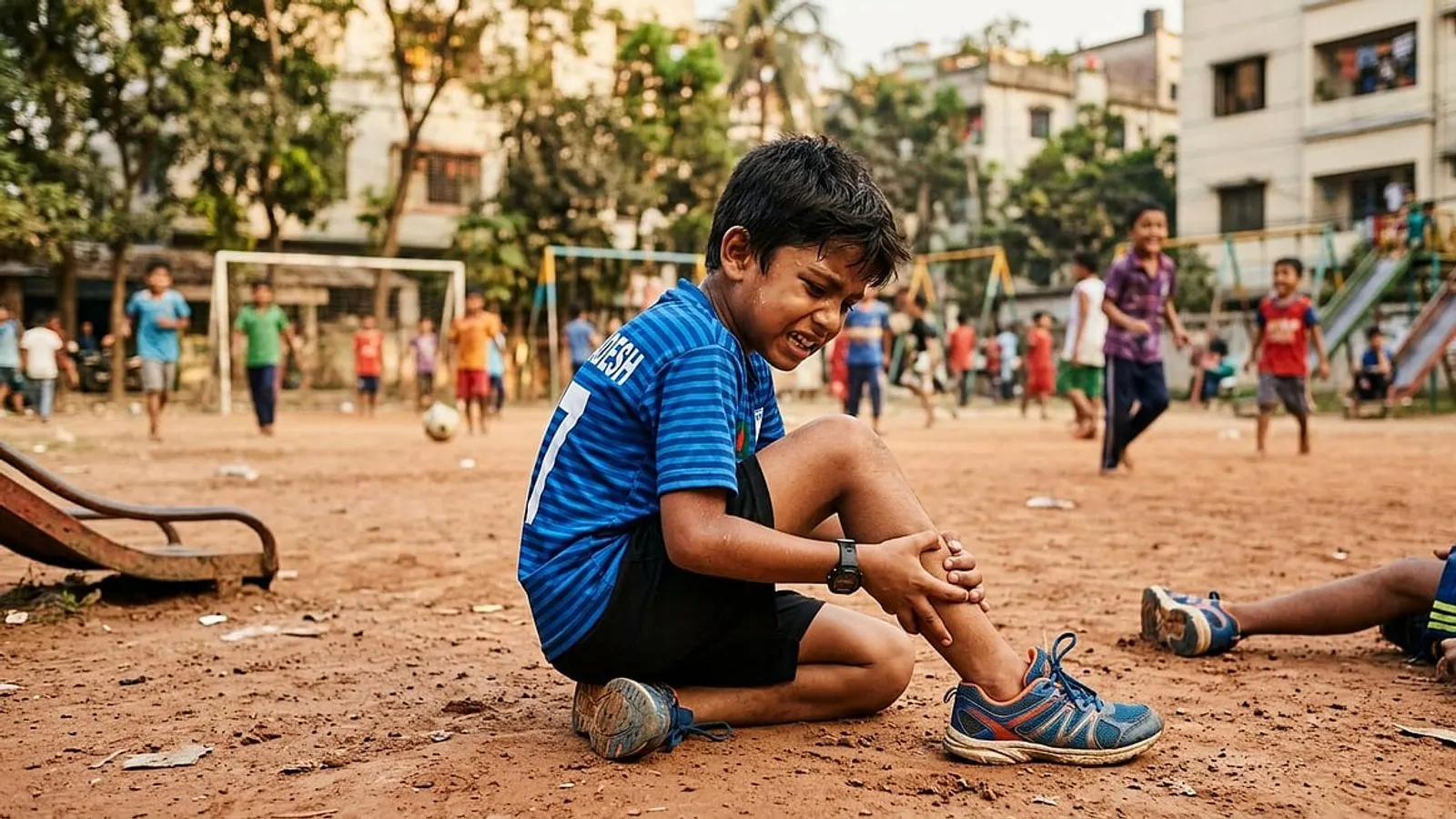
Children frequently experience muscle cramps in their muscles following excessive sports activities, running, or rigorous physical exertion. According to medical insights, this uncomfortable issue predominantly affects the back muscles of the lower leg, commonly known as the calf muscles.
Beyond physical exertion, fluid and mineral depletion within a child's body can trigger these painful contractions. Conditions such as fever, diarrhea, vomiting, or excessive perspiration significantly reduce essential body fluids and mineral levels, which directly contributes to the onset of muscle cramps.
When a child suffers from a muscle cramp, appropriate immediate care can alleviate the discomfort. Recommended relief measures include gently stretching the affected muscle group along with applying a light massage to help the tissue relax and recover.
Dr. Manik Majumdar, practicing at the Popular Diagnostic Center in Mymensingh, provides professional medical guidance on handling these pediatric health concerns safely without causing further complications for the child.
Health professionals strongly caution against starting calcium, magnesium, potassium, or vitamin D supplements independently without professional medical supervision. Unsupervised administration of these supplements can be harmful and should always be avoided.