
Bridge in Comilla Inoperable for 28 Years Due to Missing Approach Roads
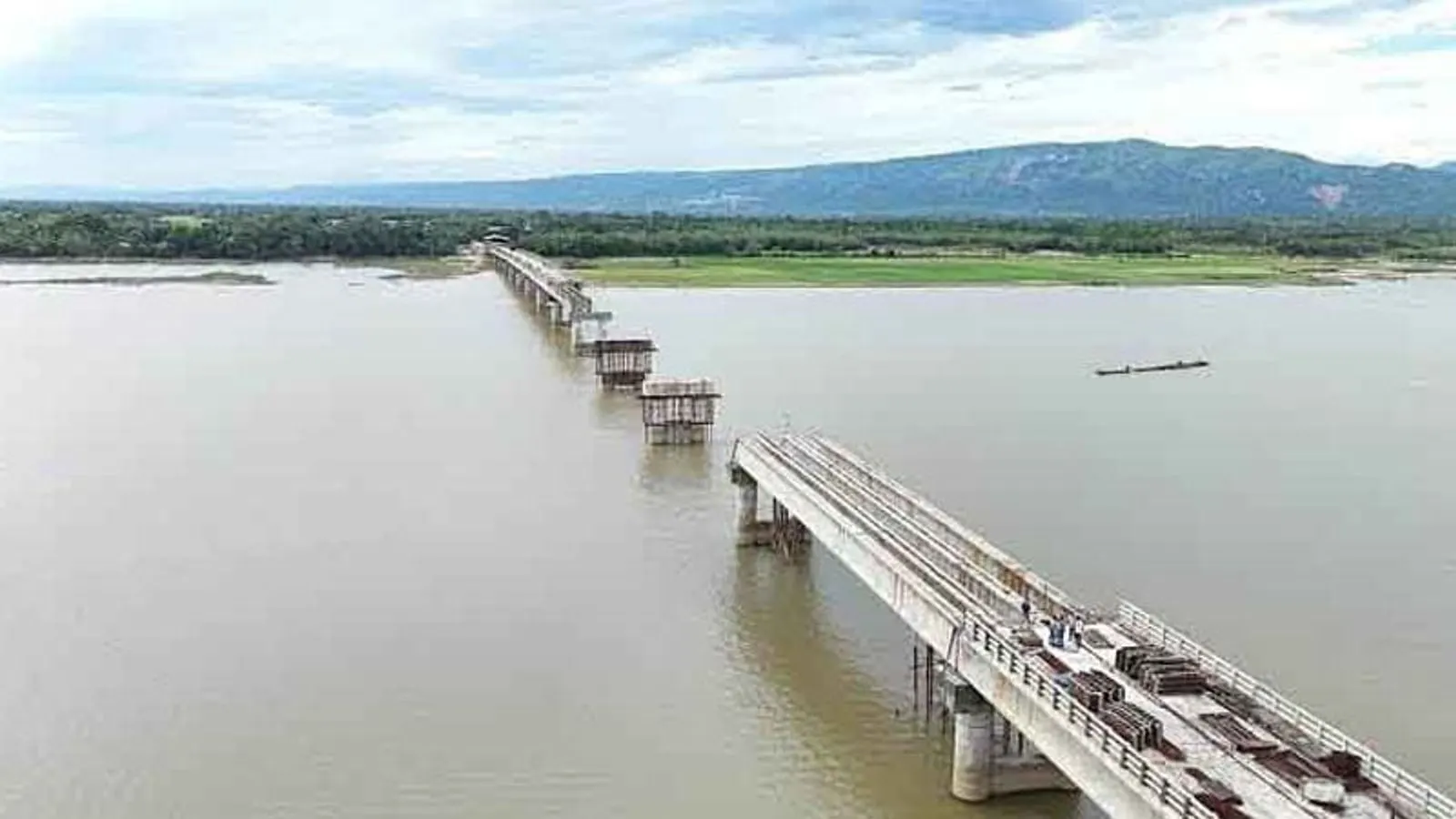
A bridge constructed in Comilla's Burichong upazila during the 1997-98 fiscal year has remained completely unused for nearly three decades. The absence of proper approach roads has left local residents struggling to cross despite nearby paved pathways.

In the rural landscape of Comilla's Burichong upazila, a significant infrastructure project has stood as a monument to poor planning and administrative neglect for nearly three decades. Located in the remote village of Bakshimul, a bridge spanning the local Ghunghur river has been rendered entirely useless since its completion due to a critical oversight: the total absence of connecting approach roads on either side of the structure.
The construction of this infrastructure dates back to the 1997-98 fiscal year, when the Local Government Engineering Department (LGED) oversaw the project. Designed as a structure approximately 60 feet in length, the bridge was initially intended to improve transportation and connectivity for the local population residing in the area.
However, despite the passage of 28 years since it was built, the bridge has failed to serve its intended purpose. Because no approach roads were ever constructed to link the elevated structure with the surrounding terrain, no vehicles have ever been able to cross the bridge, leaving it completely detached from the local transportation network.
The irony of the situation is heightened by the proximity of existing roadways. On the eastern side of the structure, a paved road sits directly at the very base of the bridge. Meanwhile, on the western side, another paved road runs parallel at a distance of only about 20 feet, making the continued isolation of the bridge particularly stark.
Left with no official solution from the authorities over the course of 28 years, local residents have taken matters into their own hands to make the bridge passable for pedestrians. Through their own initiative and personal efforts, the villagers have constructed nine stairs on one side of the bridge, while using bags filled with soil and sand on the other side to create makeshift arrangements for climbing up and down the structure.