

Brahmanbaria Hospital C-Section Services Stalled by Doctor Absenteeism
Launched in July 2024 at the Bancharampur Upazila Health Complex, newly introduced C-section services are struggling to meet local demand. Patients report that the absence of assigned medical professionals leaves critical maternity care out of reach.
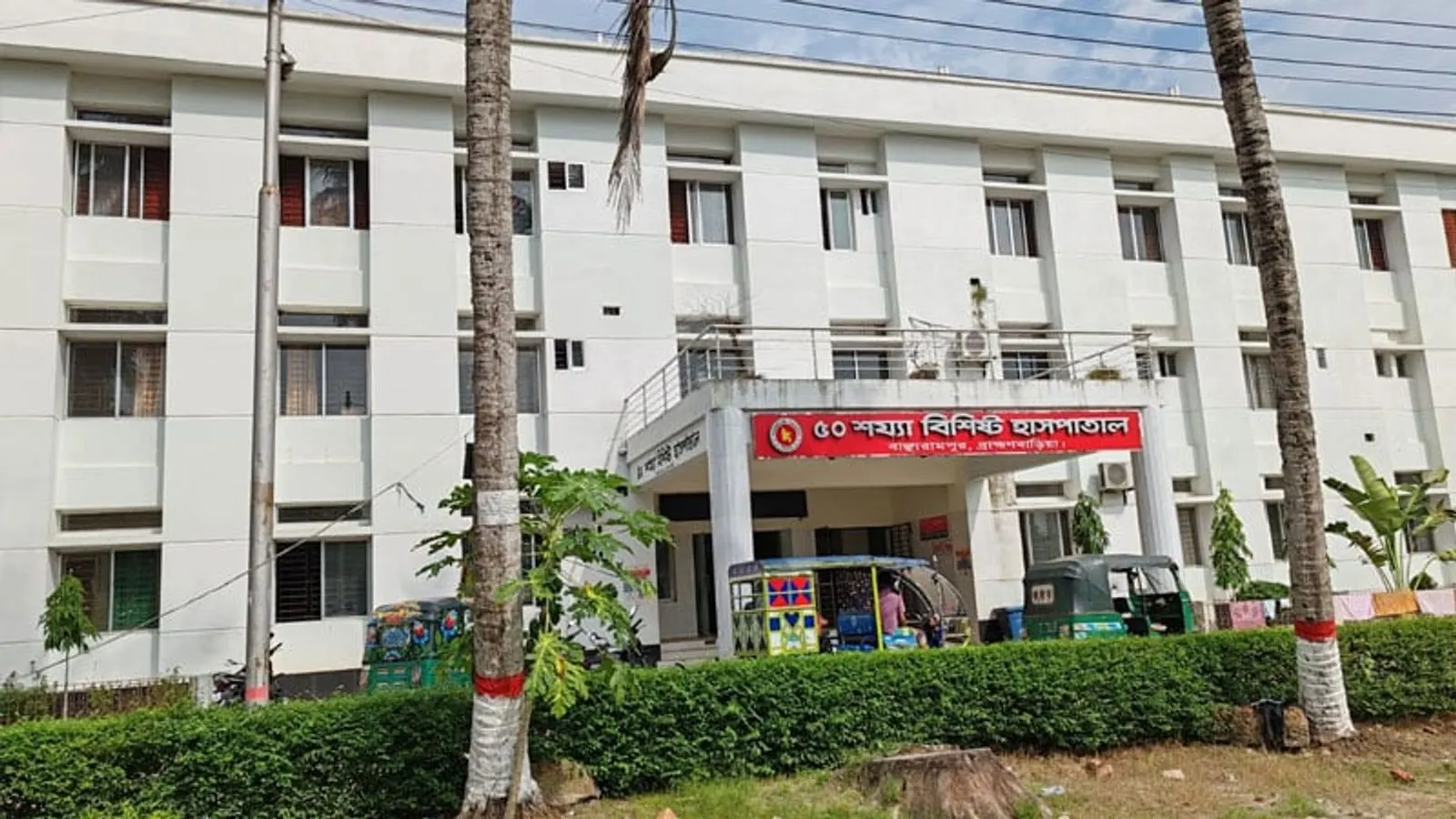
The Bancharampur Upazila Health Complex in Brahmanbaria officially launched its much-anticipated cesarean section surgical services on the first of July, 2024. This new medical provision initially offered a glimmer of hope to expectant mothers and families living in the surrounding region who desperately rely on accessible, state-funded healthcare services.
However, despite the formal inauguration of these vital maternity operations, the actual delivery of care has faced severe disruptions due to persistent physician absenteeism at the facility. Local patients and their families have voiced growing frustration over the reality that the promised medical interventions are frequently unavailable when emergencies arise during critical moments of need.
Operational capacity at the health complex has also been heavily restricted, with the cesarean section procedures currently limited to just two days per week, specifically on Sundays and Wednesdays. This narrow operating schedule severely curtails the ability of pregnant women to secure timely surgical assistance throughout the remainder of the week.
Administrative staffing records indicate that Susmita Saha was appointed as the gynecology consultant and Habibur Rahman joined the facility as the anesthesia specialist. Despite these formal postings, the day-to-day presence of these essential medical practitioners at the rural health complex has fallen short of continuous operational requirements.
Local residents have openly questioned the tangible benefits of the government's healthcare announcements given the current on-the-ground limitations. Sipon Mia pointed out the discrepancy between official declarations and the actual availability of medical personnel, questioning how ordinary citizens can possibly benefit from announced services if doctors are absent precisely when they are needed most.
Another local resident, Tanzina Akter, shared similar sentiments regarding the financial strain and institutional shortcomings, noting that their family is not well-off and would benefit greatly from public medical care. Akter expressed deep disappointment that despite the government providing adequate doctors, they are still failing to receive the expected standard of care.
When questioned about the scheduling limitations, Habibur Rahman defended his position by stating that without a gynecology consultant present, his attendance serves little purpose. Rahman added that if an urgent cesarean operation is genuinely required, he can travel from Brahmanbaria town to the hospital within two hours if called.
Meanwhile, Susmita Saha maintained that her presence at the facility extends beyond the restricted schedule, stating that she visits the hospital on days other than just Sunday and Wednesday, while acknowledging that occasional issues might cause temporary discrepancies in her routine attendance.