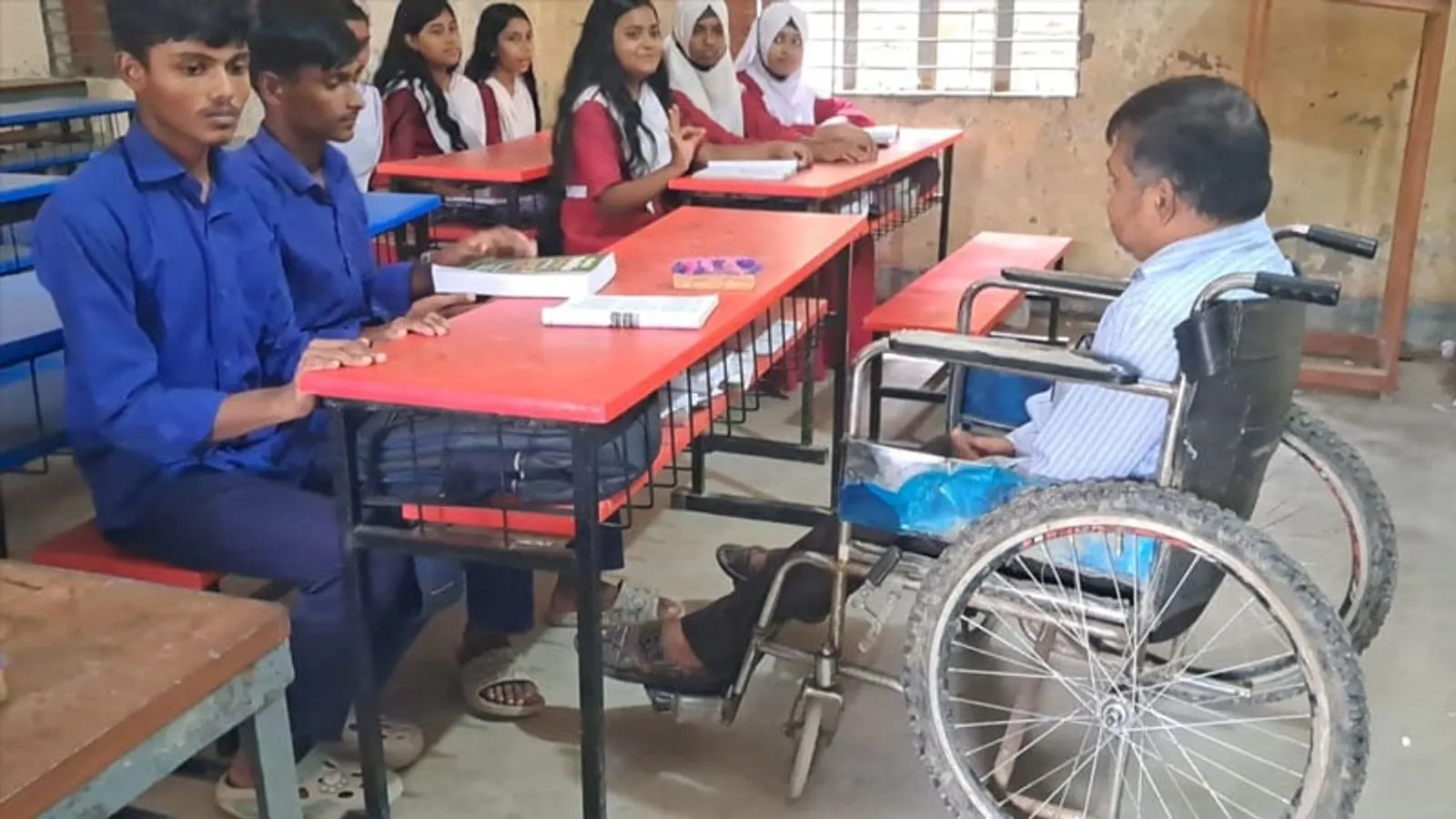

Bangladeshi Students Face Hardships Pursuing Higher Education Abroad
Numerous Bangladeshi students travel abroad for higher education to escape domestic challenges, yet they frequently encounter severe financial struggles and difficult working conditions. Meanwhile, universities in developed nations depend heavily on these international students for high tuition fees and skilled labor.
A significant number of students from Bangladesh regularly venture abroad in pursuit of higher education opportunities. However, this academic journey often comes with substantial hurdles, as these individuals frequently find themselves grappling with difficult working conditions and intense financial struggles. These persistent economic pressures are typically necessary just to cover the high costs of their tuition fees and daily living expenses in foreign countries.
The decision to leave the country is heavily influenced by domestic conditions within Bangladesh. Many youths are pushed to seek education abroad due to inadequate educational environments, persistent teacher shortages, frustrating session jams, and widespread employment uncertainty at home. These domestic push factors create an urgent desire among young people to look past their national borders for reliable academic and career prospects.
At the same time, universities in developed countries rely heavily on this influx of international students. These institutions depend on the substantial revenue generated by high tuition fees paid by students from abroad, as well as the steady stream of skilled labor they provide. This economic relationship forms a core component of the higher education business model in many prosperous destination nations.
Despite this mutual reliance, the landscape for international scholars remains vulnerable to external policy shifts. Changing economic or political policies in these developed nations frequently result in the implementation of stricter visa regulations and heavier financial requirements. Such sudden regulatory changes disproportionately affect prospective scholars originating from developing countries, adding further uncertainty to their educational pursuits.