
Bangladesh to Adopt China Technical Education Model to Link Industry and Skills
Following a visit to China, the Ministry of Education held a press conference in Dhaka on August 30 to discuss technical education reforms. Officials revealed plans to emulate the Chinese model while addressing significant institutional inactivity domestically.
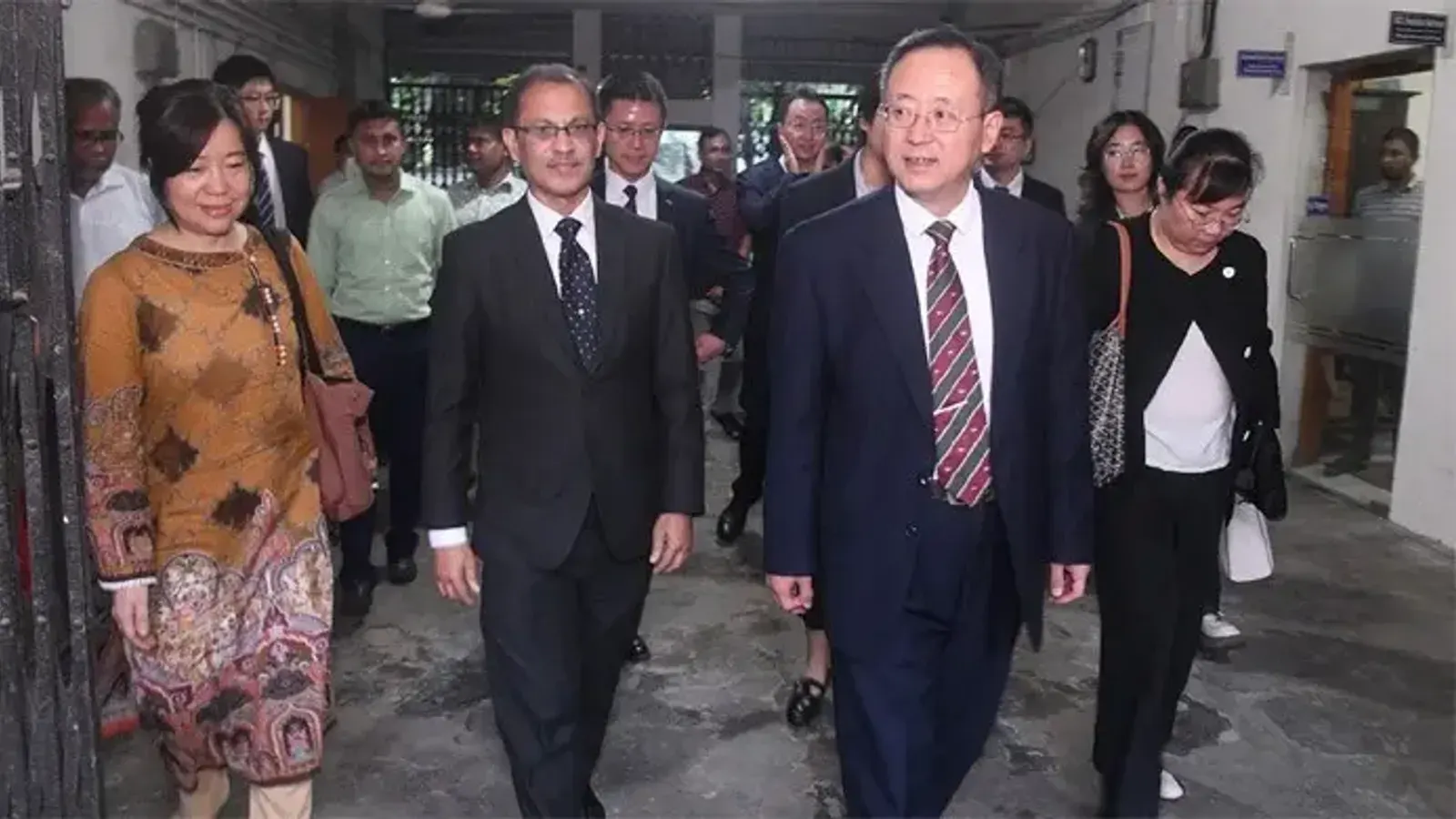
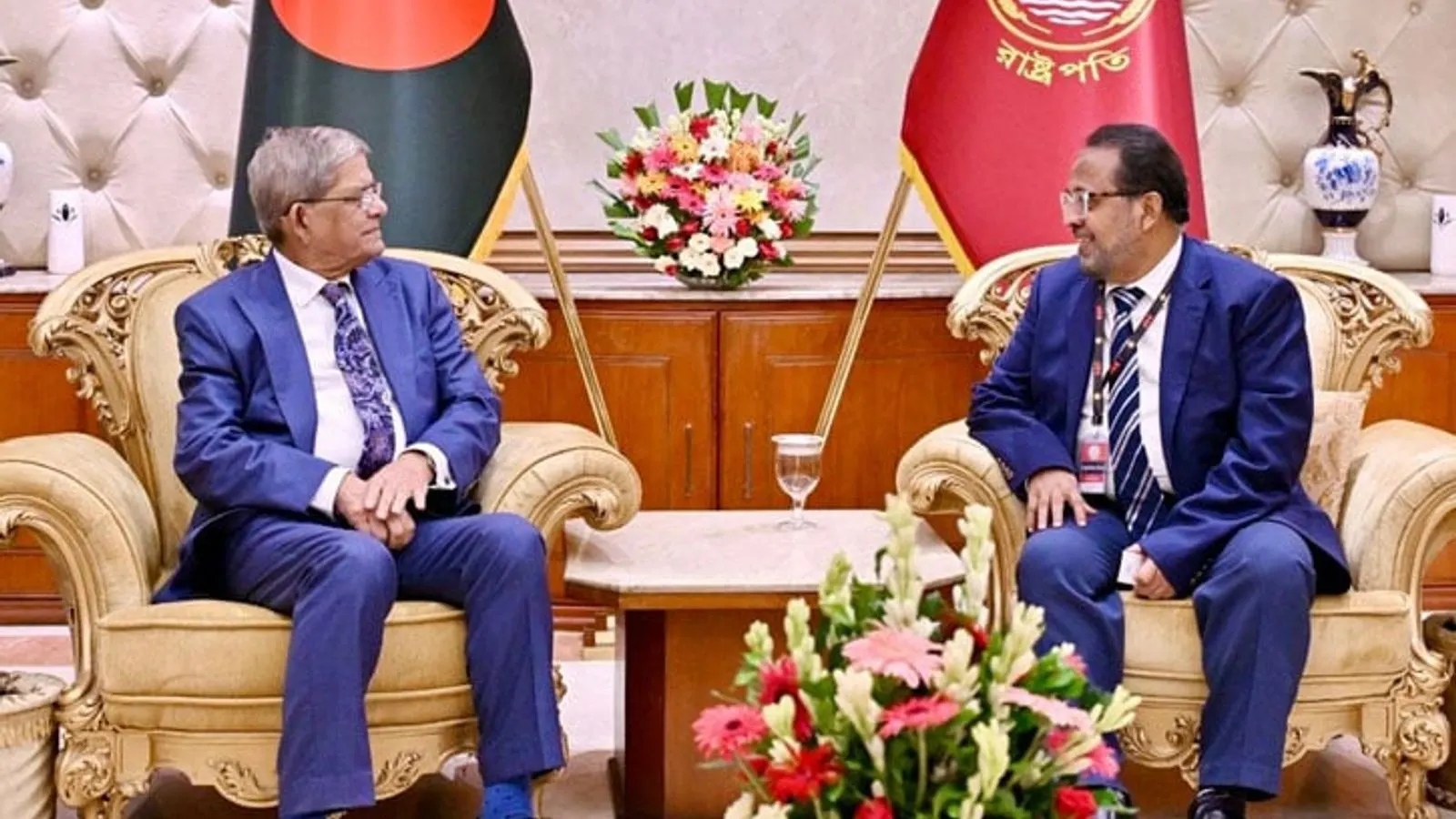
A high-level delegation from the Ministry of Education, led by Education Minister A N M Ehsanul Haque Milon, recently concluded an official visit to the People's Republic of China. Upon their return, the three-member delegation addressed a press conference in Dhaka on August 30 to share insights from their tour and outline upcoming strategic reforms for the nation's technical education sector.
During the press briefing at the Ministry of Education, it was formally announced that the government is taking decisive initiatives to replicate China's successful technical education framework in Bangladesh. The core objective of adopting this international model is to establish a robust, effective connection and bridge the gap between technical education institutions and the broader industrial sector.
Highlighting the sheer scale of the benchmark being studied, officials shared extensive data regarding China's vast vocational landscape. According to the presented information, China boasts more than 9,000 middle-tier technical schools, alongside 1,562 higher technical educational institutions and 87 specialized technical undergraduate universities. An estimated 34 million students are actively engaged within this comprehensive Chinese technical education system.
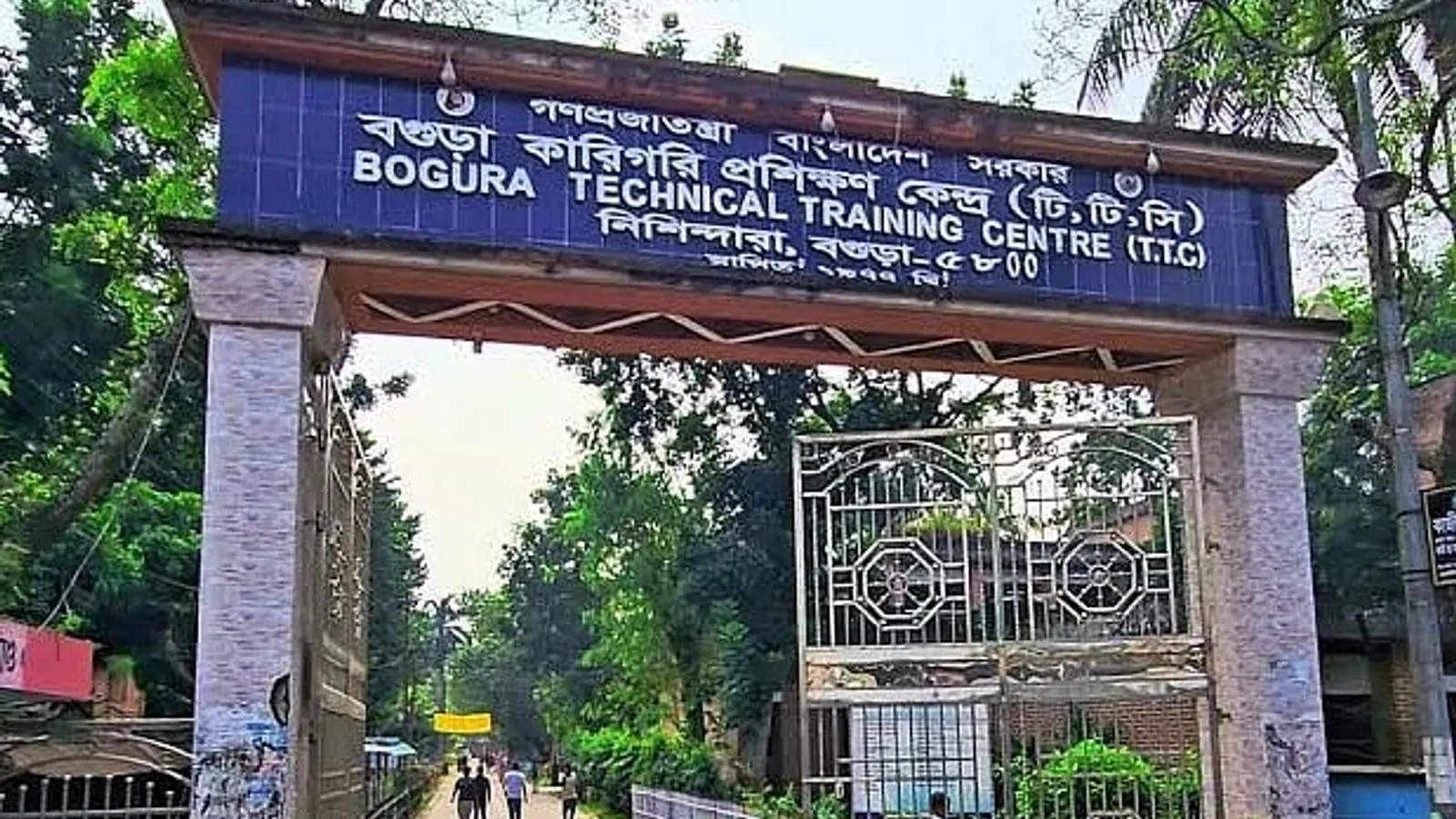
However, the discussions in Dhaka also brought to light severe structural challenges currently plaguing the domestic sector. Official data provided by the Bangladesh Technical Education Board indicates that out of the 3,440 institutions that have received formal approval to conduct vocational education programs, a staggering 621 institutions have suffered from a persistent lack of student admissions or have seen their educational operations effectively shut down for a prolonged period.
Further detailed breakdowns from the board revealed specific vulnerabilities within the approved network. The statistical data points out that there are currently 43 institutions holding official approval specifically for SSC (Vocational) activities, while another 178 institutions hold authorization dedicated to Dakhil (Vocational) educational programs.
The Ministry of Education emphasized that reforming these dormant institutions and restructuring the vocational framework to mirror the Chinese industry-linked model are critical steps for national development. As the ministry moves forward with these plans, addressing the operational failures of the inactive institutions remains a central priority alongside forging closer ties with the industrial sector.