Bangladesh Study Highlights Small Farmers' Land Loss from Waterlogging
A new academic study has examined how prolonged waterlogging in southwestern Bangladesh drives land loss and dispossession among small farmers. Researchers identified four distinct pathways through which vulnerable rural communities lose control of their agricultural properties.
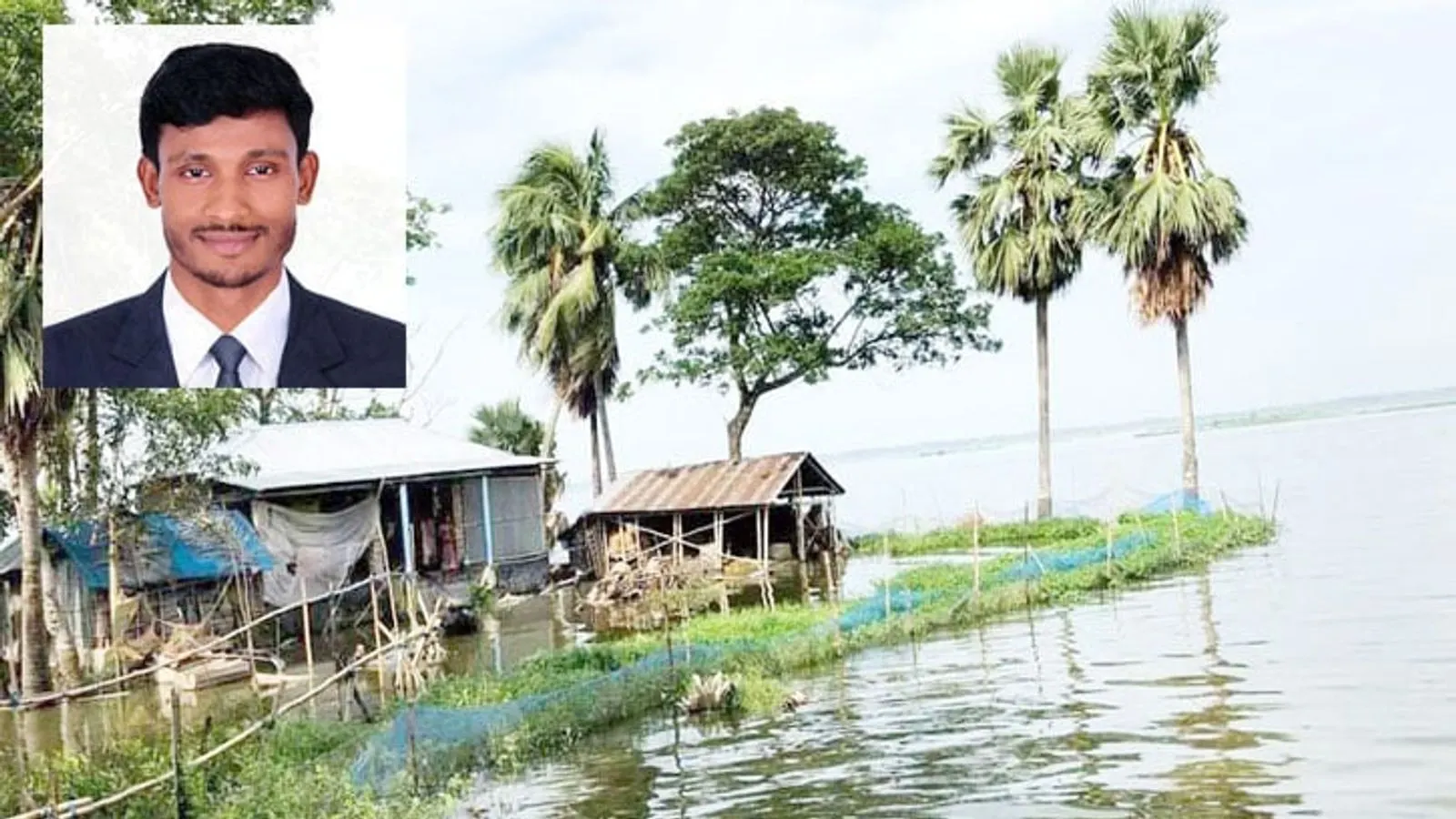
A comprehensive academic research study has shed new light on the severe socioeconomic challenges facing rural communities in southwestern Bangladesh, focusing specifically on how prolonged waterlogging leads to land loss and the deprivation of small farmers. The investigation was conducted across five villages located within the Abhaynagar and Manirampur upazilas of the Jashore district, an area that has experienced significant environmental stress due to persistent water stagnation.
The research project was led by Muhibul Islam, a sociology teacher at Noakhali Science and Technology University. To ensure a robust collection of qualitative and empirical evidence, data for the study was gathered between October and December 2024. The methodology utilized during this three-month fieldwork period included detailed focus group discussions, in-depth interviews with affected residents, and systematic field observations.
Among the specific findings documented in the Jashore district, the study noted that approximately 502.61 acres of land in the Prembag union of Abhaynagar upazila have been designated for the establishment of an Export Processing Zone (EPZ). This localized development initiative intersects with the broader environmental and economic pressures faced by agrarian households in the region.
The investigation successfully categorized the primary mechanisms behind the erosion of property rights, identifying four distinct pathways of land deprivation driven by waterlogging. These pathways include development and market-centric processes, direct land grabbing, deception or the loss of control resulting from formal and informal agreements, and the forced forfeiture of land due to escalating poverty and acute financial crises.
Ultimately, the research provides a detailed examination of how environmental degradation intertwines with market forces and socioeconomic vulnerability in southwestern Bangladesh. By mapping out these specific trajectories of dispossession, the study highlights the complex challenges confronting small farmers who struggle to retain control of their land amid ongoing ecological and structural pressures.