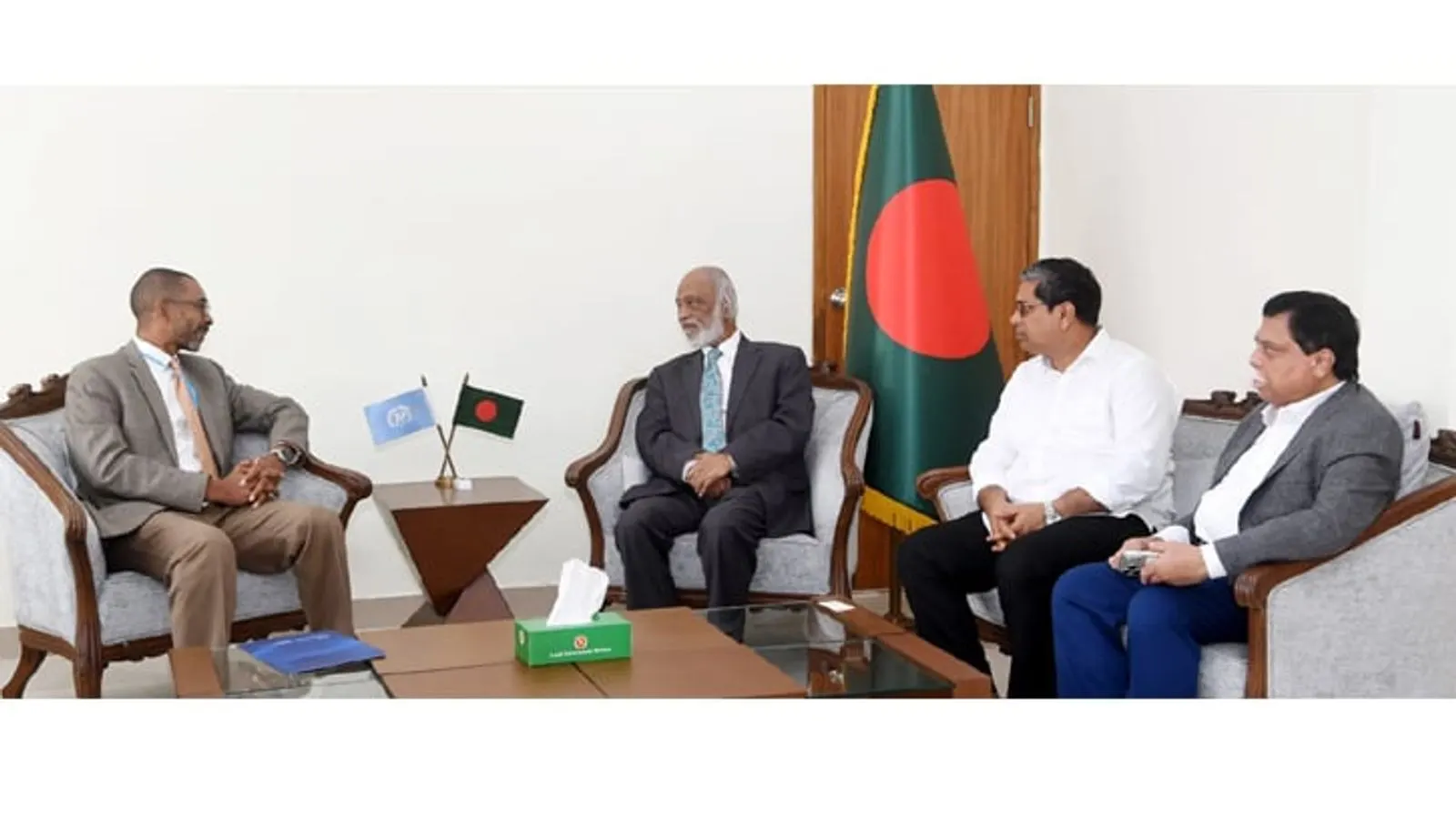

Bangladesh State Minister Humayun Kabir’s British Citizenship Scrutinized
State Minister for Foreign Affairs Humayun Kabir is facing intense scrutiny over his British citizenship and constitutional eligibility to hold office. Although appointed as a technocrat minister, legal questions persist regarding foreign nationality and parliamentary disqualification.

State Minister for Foreign Affairs Humayun Kabir officially took his oath of office as a technocrat state minister on Friday in Dhaka, Bangladesh, stepping into his new ministerial role after previously serving as the Prime Minister's Foreign Affairs Advisor with the rank of state minister. His appointment has drawn significant public and legal attention due to his background involving British citizenship and his historical ties to the United Kingdom's political landscape, raising complex questions about constitutional compliance and holding high office in the government.
According to the verified background details, Humayun Kabir was born in Sylhet and moved to the United Kingdom with his family when he was only two and a half years old. During his years living abroad, he became actively involved in the politics of the UK Labour Party and ultimately acquired British citizenship. This international background formed a core part of his life before he transitioned into his official advisory and ministerial capacities within the government administration in Dhaka.
Following his appointment as the Prime Minister's Foreign Affairs Advisor on February 17, administrative steps were taken regarding his travel documents and official status. Records confirm that shortly after taking on the advisory role, specifically on February 23, he surrendered his general green passport and subsequently acquired a red official passport, reflecting his elevation to a high-ranking governmental position within the administration.
The central controversy surrounding his appointment involves the interplay between different provisions of the constitution of Bangladesh. Article 56 of the constitution explicitly provides the legal framework and provisions for the appointment of technocrat ministers who are not elected members of parliament. However, this provision intersects contentiously with Article 66, clause 2(c), of the constitution, which explicitly states that any individual who has acquired the citizenship of or affirmed allegiance to a foreign state is disqualified from being elected as a member of parliament.
Legal analysts and observers are closely monitoring how these constitutional clauses apply to a technocrat state minister who holds foreign citizenship. While Article 56 permits technocrat appointments, the disqualification criteria outlined in Article 66 regarding foreign allegiance and nationality continue to form the crux of the ongoing debate in Dhaka regarding the legitimate holding of executive office by dual nationals or foreign citizens.