Bangladesh School Bag Weight Limits Highlight Child Health Concerns
Excessively heavy school bags are causing spinal and health damage to children in Bangladesh. Authorities previously issued rulings limiting bag weight relative to body mass.
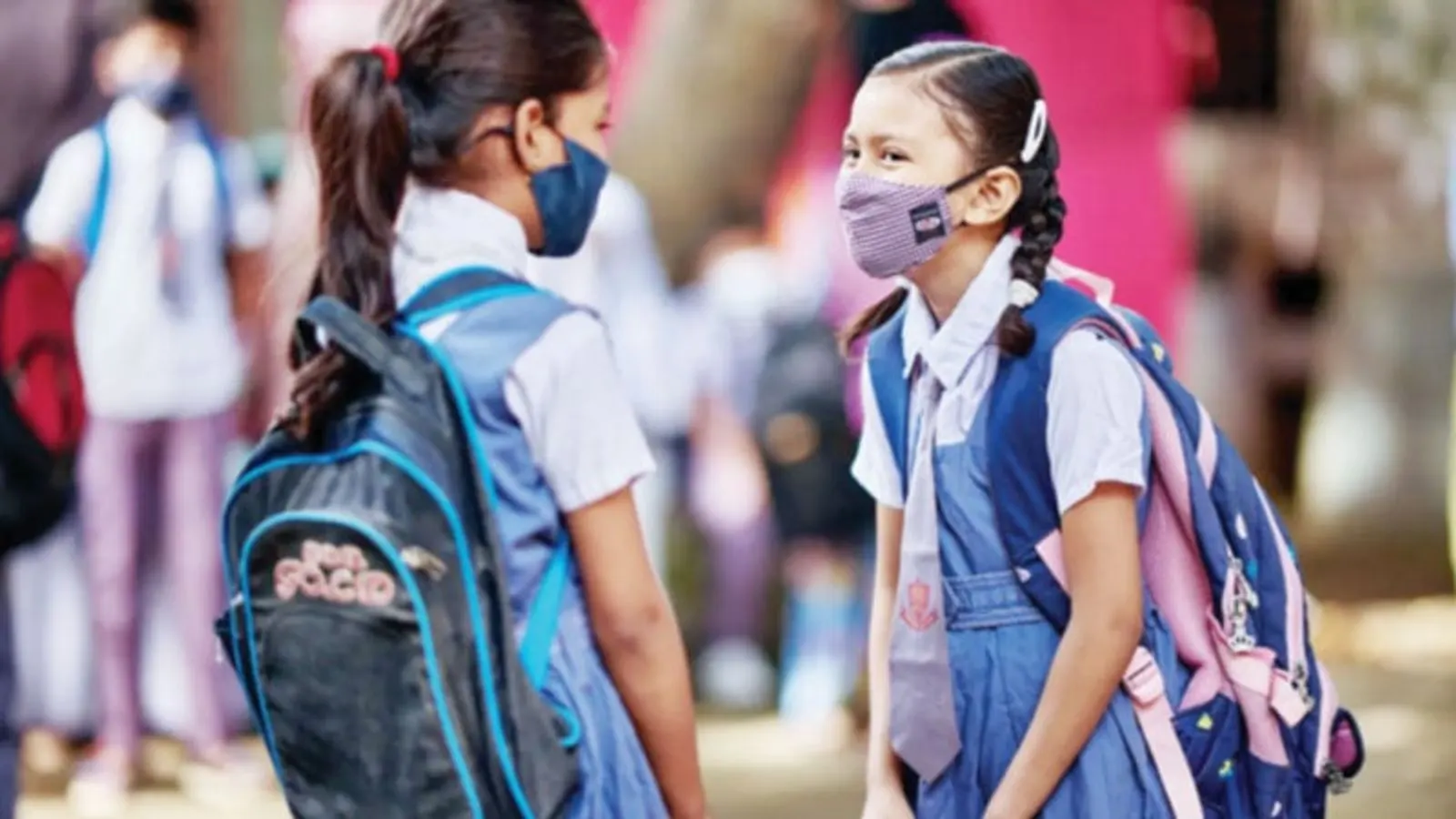
The issue of excessively heavy school bags has raised serious concerns regarding the physical development, spinal health, and overall well-being of children in Bangladesh. Medical and public health experts have repeatedly pointed out that carrying burdensome loads on a daily basis places immense physical stress on growing bodies, potentially leading to long-term musculoskeletal issues.
International health authorities have established guidelines to address this widespread problem. According to the World Health Organization and the American Academy of Pediatrics, a child's school bag should ideally weigh no more than 10 to 15 percent of their total body weight to prevent physical strain and injury.
In practical terms, expert recommendations often suggest that younger children should carry significantly lighter loads, ideally between 2 to 3 kilograms, to protect their developing spines. Conversely, unsupervised packing and excessive academic materials have frequently caused children to haul weights reaching up to 20 kilograms.
Recognizing the severity of this public health crisis, the High Court Division of the Supreme Court of Bangladesh delivered a landmark verdict in 2016 specifically addressing the issue of heavy school bags. In that ruling, the court explicitly stated that the weight of school bags for primary school children in the country must not exceed 10 percent of the child's overall body weight.