

Bangladesh Explores Spice Production via Mixed Cropping in Riverine Chars
Bangladesh is utilizing its extensive riverine char lands to boost spice production through mixed cropping strategies. Millions of residents across these remote islands and connected riverbanks stand to benefit from the agricultural initiative.
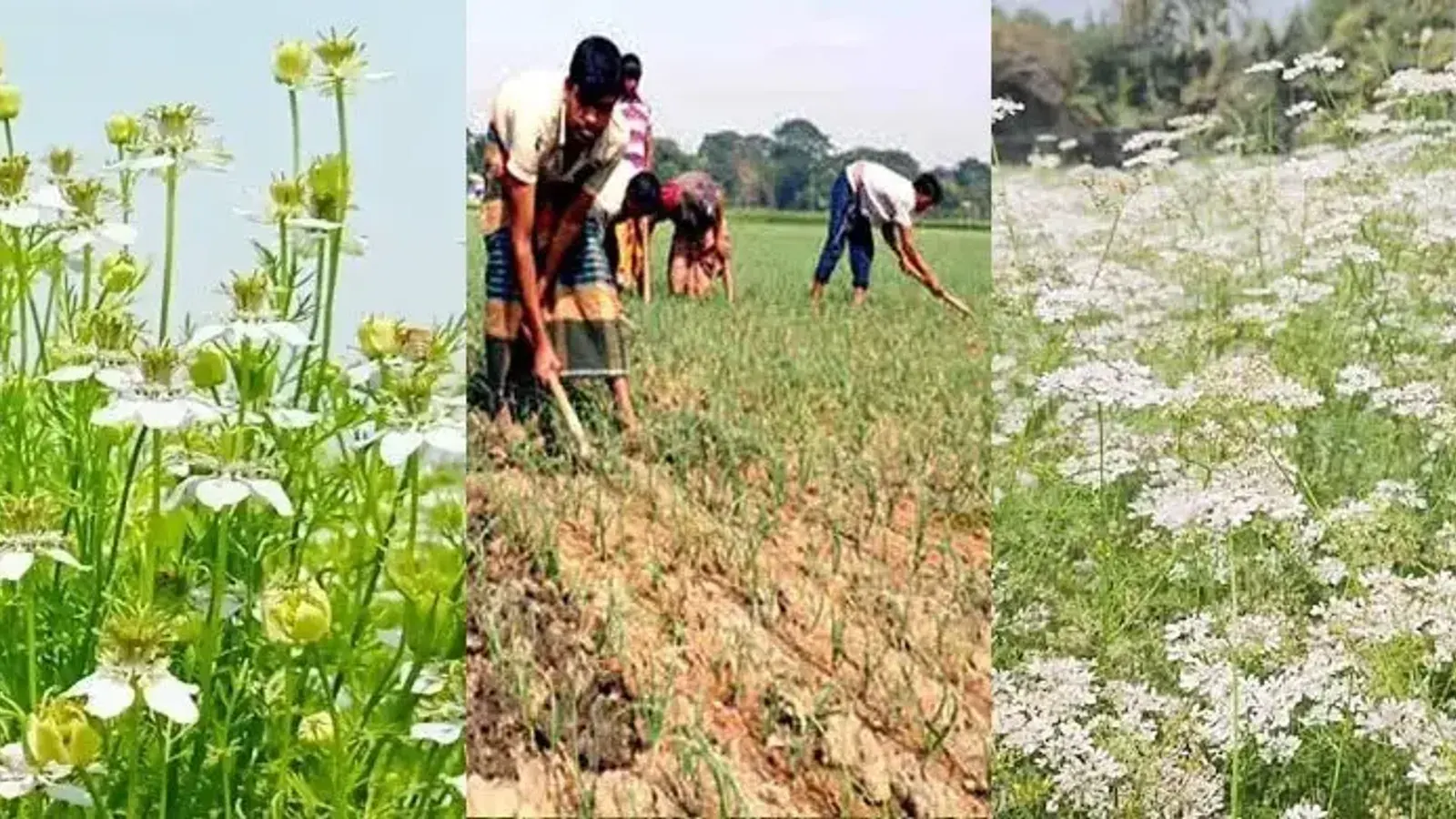
Bangladesh features approximately 8.3 lakh hectares of riverine char lands situated along major waterways including the Padma, Meghna, Jamuna, Brahmaputra, Teesta, and Dhaleshwari rivers, according to recent data released on 05 September 2026. These vast alluvial land formations present unique geographical and agricultural conditions that government agricultural planners and researchers are actively working to harness for enhanced food security and spice cultivation.
The agricultural potential of these riverine formations is substantial, with officials identifying roughly 5.2 to 7.9 lakh hectares of cultivable char land available across the country. However, farming in these regions requires careful management due to distinct topographical variations. Connected char lands typically lie at higher elevations and contain relatively higher proportions of sand and weeds, presenting specific challenges for traditional crop establishment.
Conversely, island char lands are characterized by lower elevations and significantly higher accumulations of fertile silt, creating different opportunities for agricultural exploitation. To maximize the productivity of these diverse landscapes, agricultural strategies such as mixed cropping are being implemented to increase spice production and optimize land use efficiency across the river basins.
Demographic factors further underscore the importance of agricultural development in these remote areas, as approximately 65 million people currently reside across the various char regions of Bangladesh. Improving agricultural yields directly impacts the livelihoods of this substantial population, where current cropping intensity ranges between 145 and 162 percent.
By integrating mixed cropping techniques tailored to the sandy conditions of connected chars and the silty soils of island chars, agricultural authorities aim to elevate overall productivity. This strategic approach to spice cultivation seeks to transform underutilized riverine zones into vibrant agricultural hubs, contributing to the broader economic stability of rural communities throughout Bangladesh.