
Bangladesh Energy Crisis: Professor Urges Gas Exploration to Secure Supply
A leading Dhaka University professor has outlined a domestic gas exploration plan to address Bangladesh's energy crisis. Experts suggest that targeted investments in onshore and offshore drilling could secure national supplies through 2043.
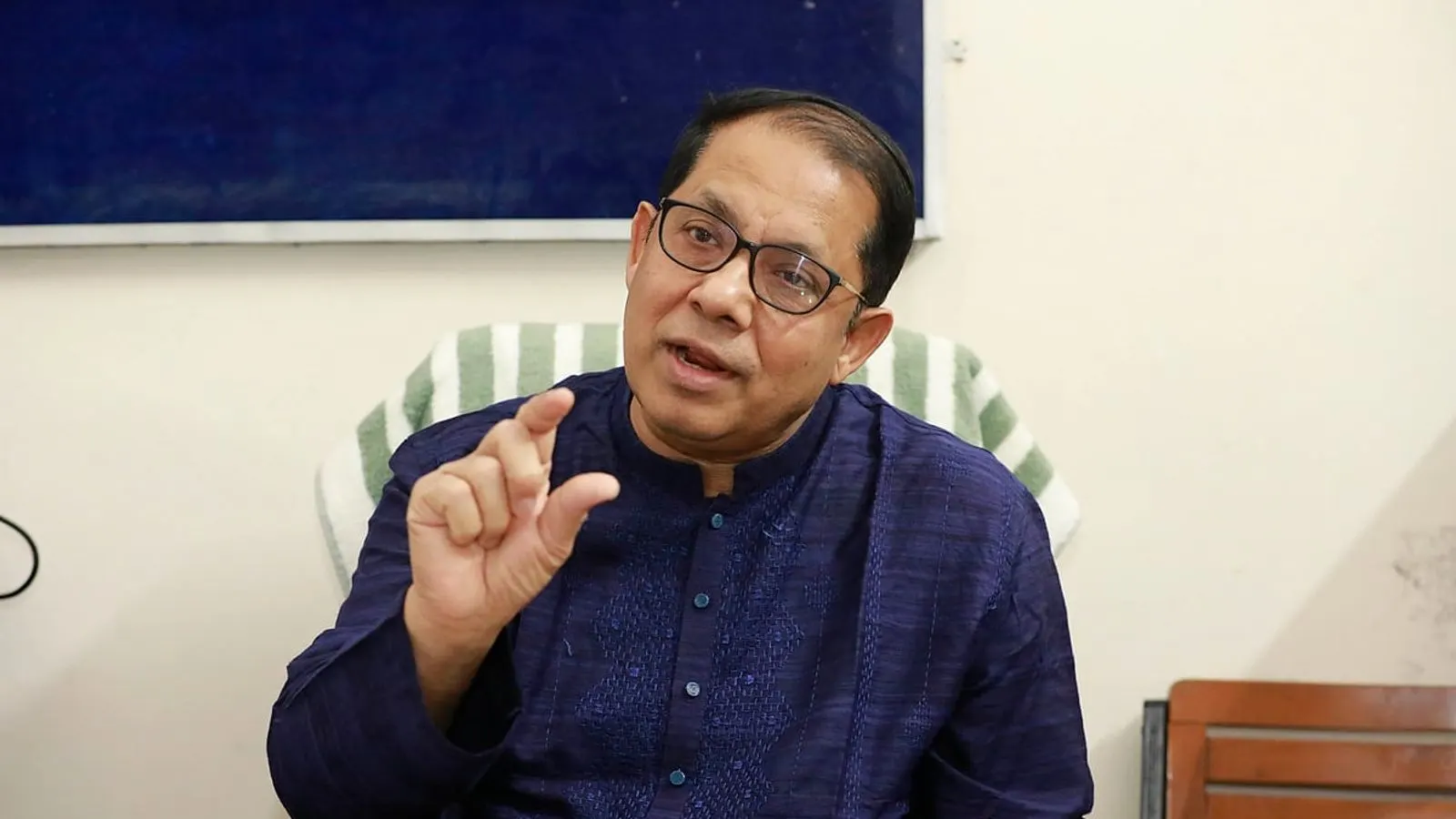
As Bangladesh navigates a mounting energy crisis, discussions surrounding domestic resource extraction have intensified. Professor Anwar Hossain Bhuiyan of the geology department at Dhaka University, who earned his PhD in petroleum geophysics from the Norwegian University of Science and Technology, has shared critical insights into the nation's untapped potential during an interview in Dhaka. The discussions, featured in Prothom Alo and reported by Subhra Kanti Das, shed light on the heavy reliance on imported liquefied natural gas and the urgent need to bolster domestic exploration through state bodies such as Petrobangla, Bapex, and Sylhet Gas Fields.
The vulnerability of the current energy supply chain was recently underscored in Cox's Bazar, where one of the two operational LNG terminals on Maheshkhali Island developed technical problems. This disruption has heightened concerns over energy security, prompting experts to re-evaluate the viability of local gas fields. Historically, Bangladesh has discovered approximately 29 trillion cubic feet (TCF) of gas, yet significant potential remains locked within the country's geological structures that have yet to be thoroughly tested through systematic drilling operations.
According to geological assessments discussed by Professor Bhuiyan, approximately 250 to 300 promising structural formations have been identified across the country. Exploration data indicates that there is a strong possibility of discovering nearly 15 TCF of gas within these structures. Crucially, if a total of 10 TCF of gas is successfully recovered from these new finds, the nation's total remaining gas reserve could rise to 18 TCF, providing a substantial buffer for the domestic energy sector.
Financial projections for the proposed exploration campaign highlight a high return on investment. Industry figures suggest that an investment of 10 billion taka could potentially yield gas valued at 500 billion taka. Furthermore, the statistical success rate for drilling wells in Bangladesh stands at an impressive approximately 3:1 ratio, making the fiscal argument for domestic drilling exceptionally strong compared to ongoing import costs.
To realize this potential, specific operational plans have been formulated for near-term execution. Drilling 30 exploratory wells is projected to incur a total cost of approximately 7.5 billion taka. Successfully executing this drilling program and securing the projected reserves would generate sufficient supply to ensure uninterrupted energy delivery through the year 2043, effectively stabilizing Bangladesh's long-term macroeconomic and industrial outlook.