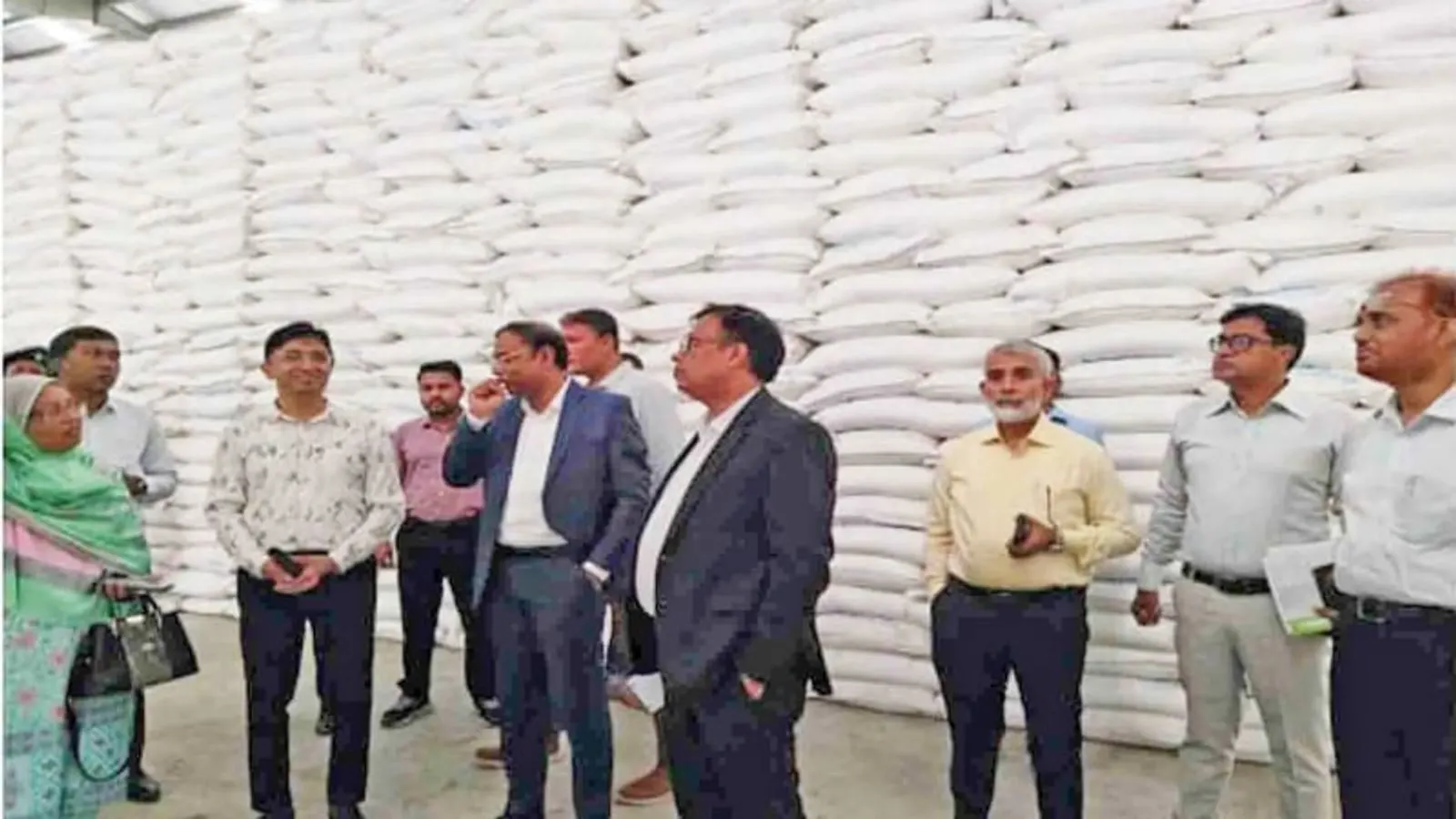

Bakery item prices surge in Dhaka amid production cost hikes
Bakery product prices, including bread and cakes, have increased across Dhaka following a recent adjustment by manufacturers. The price hike places an additional financial burden on consumers already grappling with rising inflation and essential commodity costs.
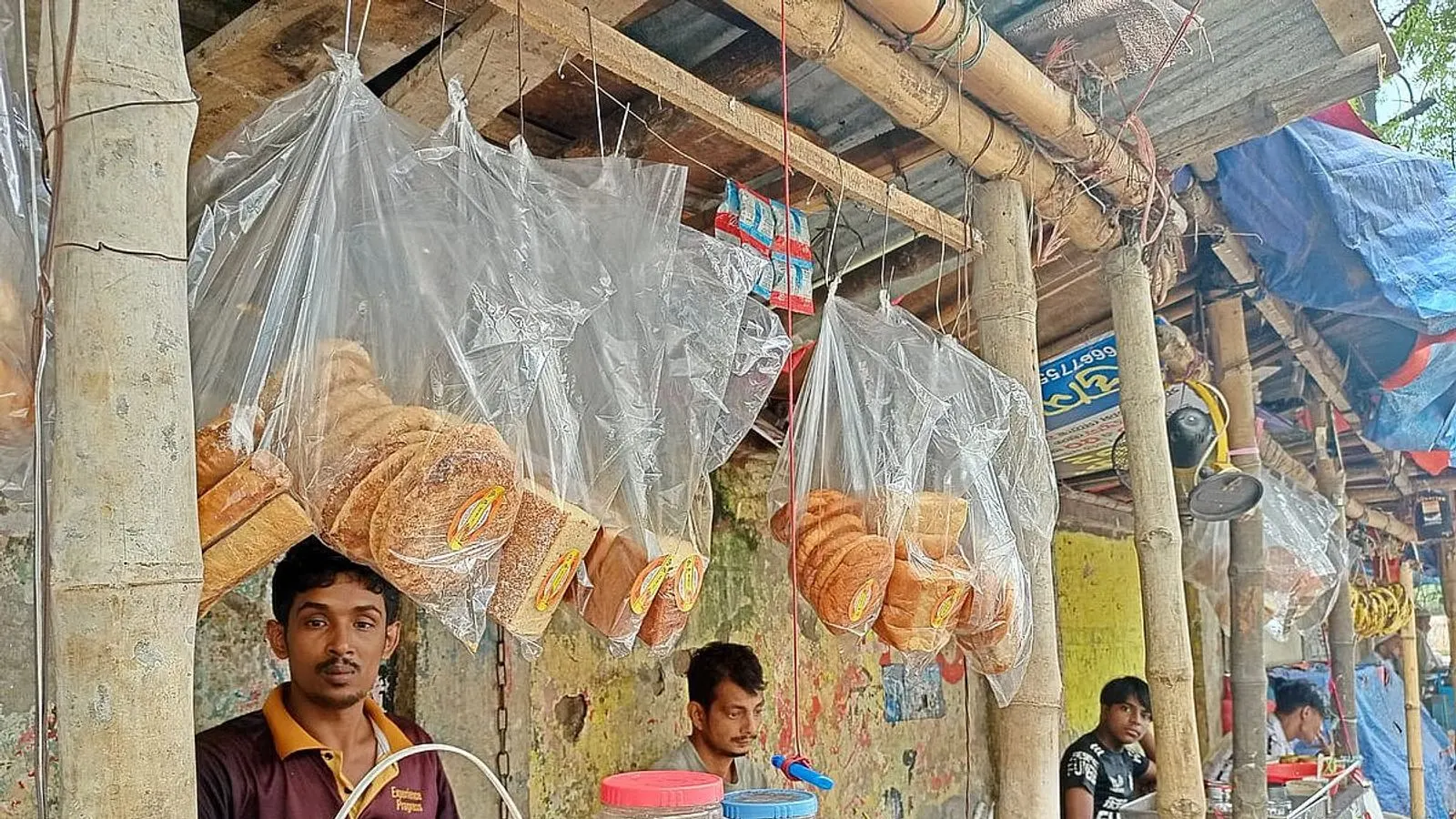
Bakery product prices, including bread and various types of cakes, have experienced a notable increase across markets in Dhaka, according to reports published by Prothom Alo. The price adjustment affects everyday staples consumed by a wide cross-section of urban residents, compounding the financial pressures driven by broader macroeconomic trends in the country. Official data from the Bangladesh Bureau of Statistics (BBS) highlights the prevailing economic climate, indicating that food inflation stood at 7.02 percent in last August, while non-food inflation was recorded at 9.32 percent during the same period.
The price revision directly impacts popular bakery items such as bun bread and muffins, with manufacturers implementing both price increases and stealth reductions in product portions. Specifically, the price of a single piece of bun bread has gone up by 5 taka, moving from 10 taka to 15 taka. Furthermore, the weight of both bun bread and muffin cakes has been reduced from 40 grams to 35 grams, effectively decreasing the quantity received by consumers for the higher price. Additionally, various types of biscuits have witnessed an average price increase of up to 20 taka per kilogram, with prices shifting from 1,300 taka to 150 taka as detailed in the trade reports.
Industry representatives attribute the widespread price adjustments to escalating operational and material expenditures required for manufacturing bakery goods. The Bangladesh Bread Biscuit and Confectionery Manufacturers Association stated that production costs have surged by 20 to 25 percent, leading to a 10 to 15 percent drop in overall product manufacturing. Mo. Jalal Uddin, president of the Bangladesh Bread Biscuit and Confectionery Manufacturers Association, explained the situation by noting that raw materials used for making bread and cakes have seen an abnormal increase in prices. He emphasized that managing expenses under current market conditions has become impossible, forcing the association to make the difficult decision to adjust prices.
The underlying drivers of this manufacturing crisis include substantial hikes in the prices of essential baking ingredients and utilities. According to verified market data, retail prices for open flour have spiked by approximately 30 percent, open soybean oil has increased by 5 percent, and sugar prices have risen by an average of 11 percent. Other critical inputs such as dalda and gas have also become significantly more expensive. The situation became so acute that factory owners previously halted production at bakery facilities in Dhaka on last Wednesday and Thursday as a form of protest and to demand price increases, before the Bangladesh Bread Biscuit and Confectionery Manufacturers Association officially raised bread prices starting last Saturday.
Ordinary urban workers and small business operators are already feeling the direct pinch of these cumulative price hikes on their daily routines and livelihoods. Rickshaw puller Alamgir described his daily struggles, stating that after completing two trips, he must eat a piece of bread and have tea to regain his physical strength, but the additional 5-taka cost for the bread makes it harder. Similarly, tea vendor Jabbar Sheikh pointed out that tea leaf prices have risen by 50 taka per kilogram over the past month, while sugar prices have climbed by 5 to 10 taka per kilogram. Jabbar noted that while he has not been able to raise tea prices, the new surge in bread and cake prices could inadvertently reduce his daily sales.
The broader economic backdrop continues to be monitored by state institutions, including the Trading Corporation of Bangladesh (TCB), which tracks commodity trends across the nation. The bakery sector itself represents a significant economic footprint across the country, with approximately 7,000 small-scale bakeries operating nationwide, and more than 700 situated within the capital city of Dhaka alone. As these local establishments attempt to navigate the steep upward trajectory of ingredient costs and utility expenses, consumers across the metropolitan area continue to adjust their daily expenditures to accommodate the elevated prices of fundamental food items.