Analyzing Mao Zedong’s Rule and China's Revolutionary Era
A detailed examination of Mao Zedong's revolutionary statecraft explores China's turbulent history from 1949 until his death in 1976. The analysis draws upon Andrew G. Walder's comprehensive book published by Harvard University Press.
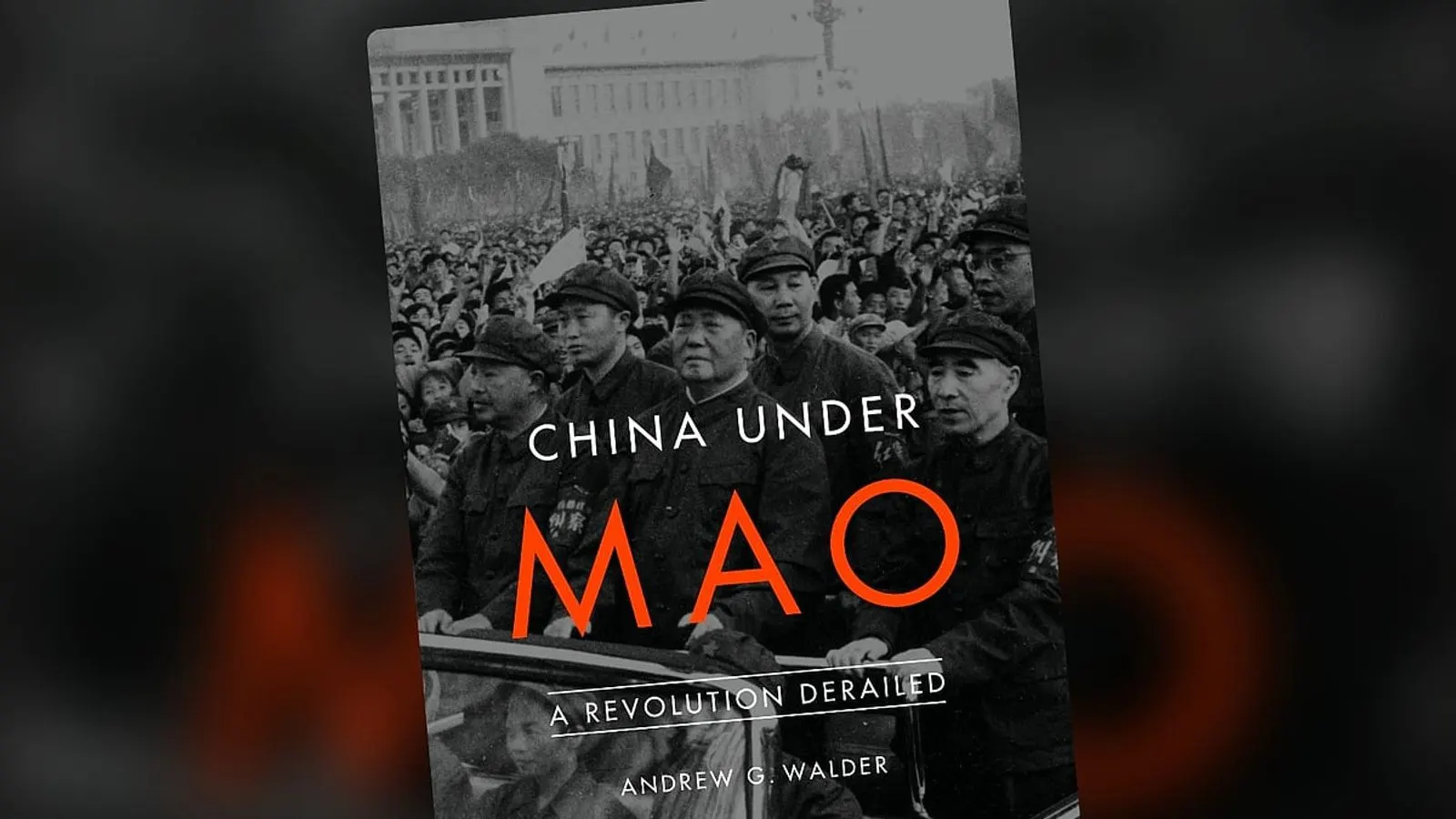
The historical trajectory of modern China underwent a profound transformation following the rise to power of the Chinese Communist Party in 1949. For nearly three decades, the nation was shaped by the revolutionary statecraft of Mao Zedong, whose leadership directed the country through a series of massive ideological campaigns and societal upheavals. This complex era of Chinese history has been the subject of extensive scholarly research, notably detailed in academic literature examining the structures and consequences of the regime.
A notable contribution to this historical analysis is found in Andrew G. Walder's book titled ‘China Under Mao: A Revolution Derailed’. Published in 2015 by Harvard University Press, the scholarly volume spans over 400 pages and offers a rigorous examination of the political and social dynamics that characterized Mao's decades in power. The book provides a structured evaluation of how the revolutionary state operated, detailing the mechanisms of control and the sweeping policies implemented across the country.
Among the pivotal moments documented in the history of this period are the major policy shifts initiated by the leadership. In 1958, the regime launched the ambitious economic and social campaign known as the ‘Great Leap Forward’. This initiative aimed to rapidly transform China from an agrarian economy into a socialist society through rapid industrialization and collectivization, marking a dramatic intensification of state intervention in daily life.
However, the ambitions of the period were soon overshadowed by severe national crises. Between 1959 and 1961, China experienced a massive and devastating famine that caused immense suffering across the population. This catastrophic event remains one of the most significant and tragic outcomes of the economic policies enacted during those years, profoundly affecting the demographic and social landscape of the nation.
Following the economic turmoil, the political landscape shifted further inward toward ideological purity and mass mobilization. In 1966, the Cultural Revolution was launched, plunging the country into another decade of intense political upheaval and social restructuring. This turbulent chapter of Chinese history finally drew to a close with the death of Mao Zedong on September 9, 1976, ending a foundational and tumultuous epoch in the nation's political development.