3,000-Year-Old Elite Tomb Discovered in Luxor's Theban Necropolis
Researchers in Egypt have discovered a roughly 3,000-year-old tomb belonging to an official named Paser. The international team launched the project to implement conservation measures against flash flooding threats.
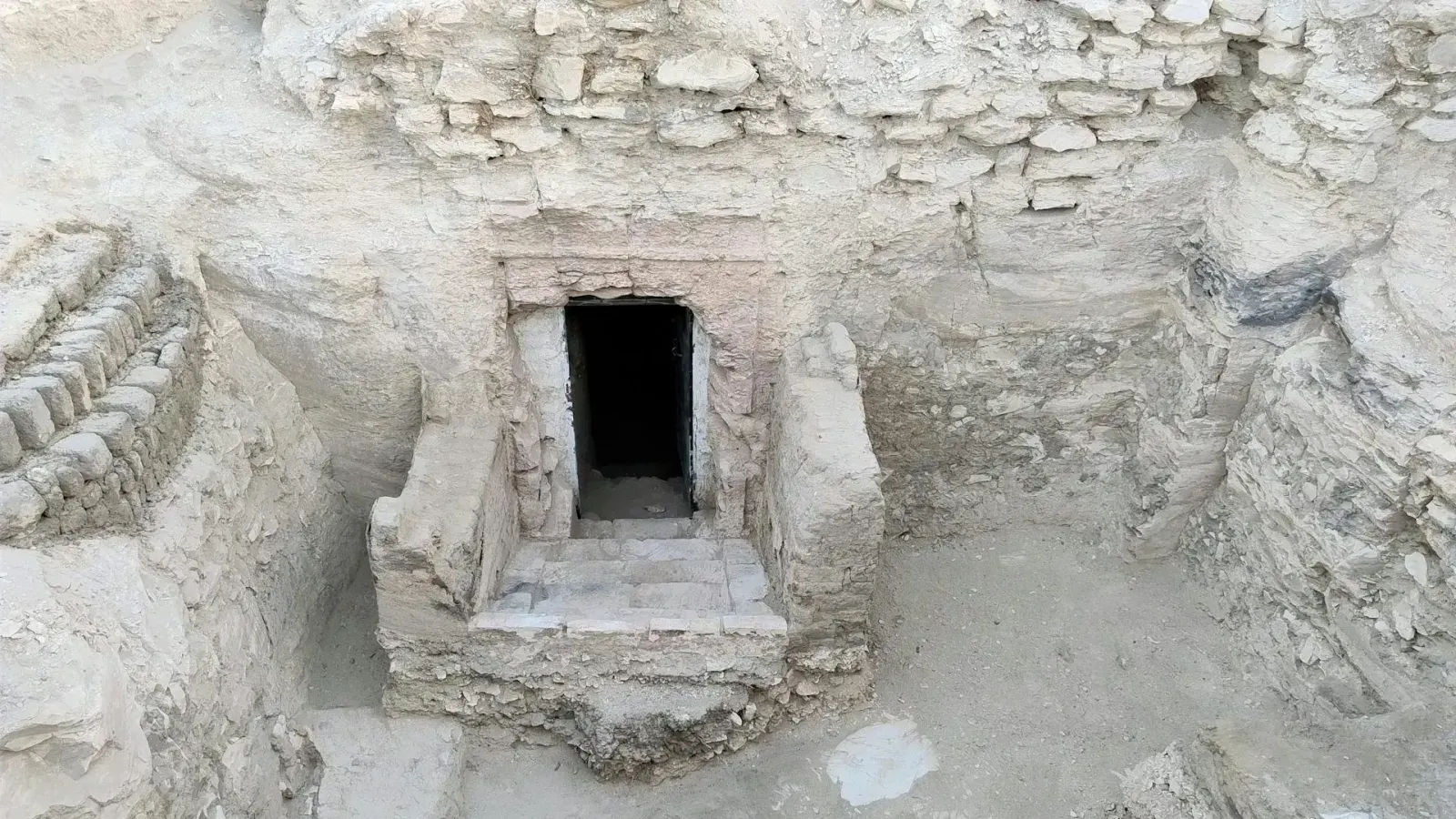
An international research team has successfully discovered a roughly 3,000-year-old elite tomb in Egypt. The significant archaeological find was made within the Lower Sheikh Abd el-Qurna necropolis, which is situated near the modern-day city of Luxor. This site forms a portion of the vast and historically rich Theban necropolis, a sprawling burial landscape encompassing a 10-square-kilometer area that has long yielded treasures from Egypt's deep antiquity.
Archaeological analysis indicates that the newly uncovered tomb dates specifically to the Ramesside period, a historical timeframe spanning approximately from 1292 to 1069 BC. The broader chronological context of the location reveals that structures within this monumental region generally span from circa 1550 to 1069 BC. Fieldwork at the site formally commenced in the year 2018, leading to the gradual unearthing of this ancient subterranean architecture and its associated historical remains.
Through careful examination of the site's interior, experts were able to identify the main owner of the tomb. Based on the surviving painted decorations adorning the walls, the elite burial place belonged to a male official named Paser. These intricate artistic elements provide vital clues regarding his status and identity within ancient Egyptian society during the Ramesside era.
Beyond the excitement of the initial archaeological discovery, the research project was established with a crucial practical objective in mind. The primary aim of the ongoing initiative is to implement a comprehensive conservation and risk management program for the entire necropolis. This urgent protective action has become necessary due to severe and recurring threats posed to the ancient monuments by environmental factors, specifically flash flooding.
The collaborative excavation and preservation effort brings together multiple distinguished academic and governmental bodies. The initiative involves contributions from the Egyptian Ministry of Tourism and Antiquities alongside international institutions including Leiden University and The Netherlands Institute for the Near East. Furthermore, the findings and ongoing preservation efforts at the Luxor site have been highlighted by academic platforms such as The Conversation, while international oversight and cultural heritage frameworks are supported through organizations like Unesco.