

Luxor to Host Century's Longest Total Solar Eclipse in August 2027
Egypt's Luxor is preparing for a landmark total solar eclipse on August 2, 2027, featuring over six minutes of totality. Experts note this will be the longest land-based total solar eclipse since 1991.
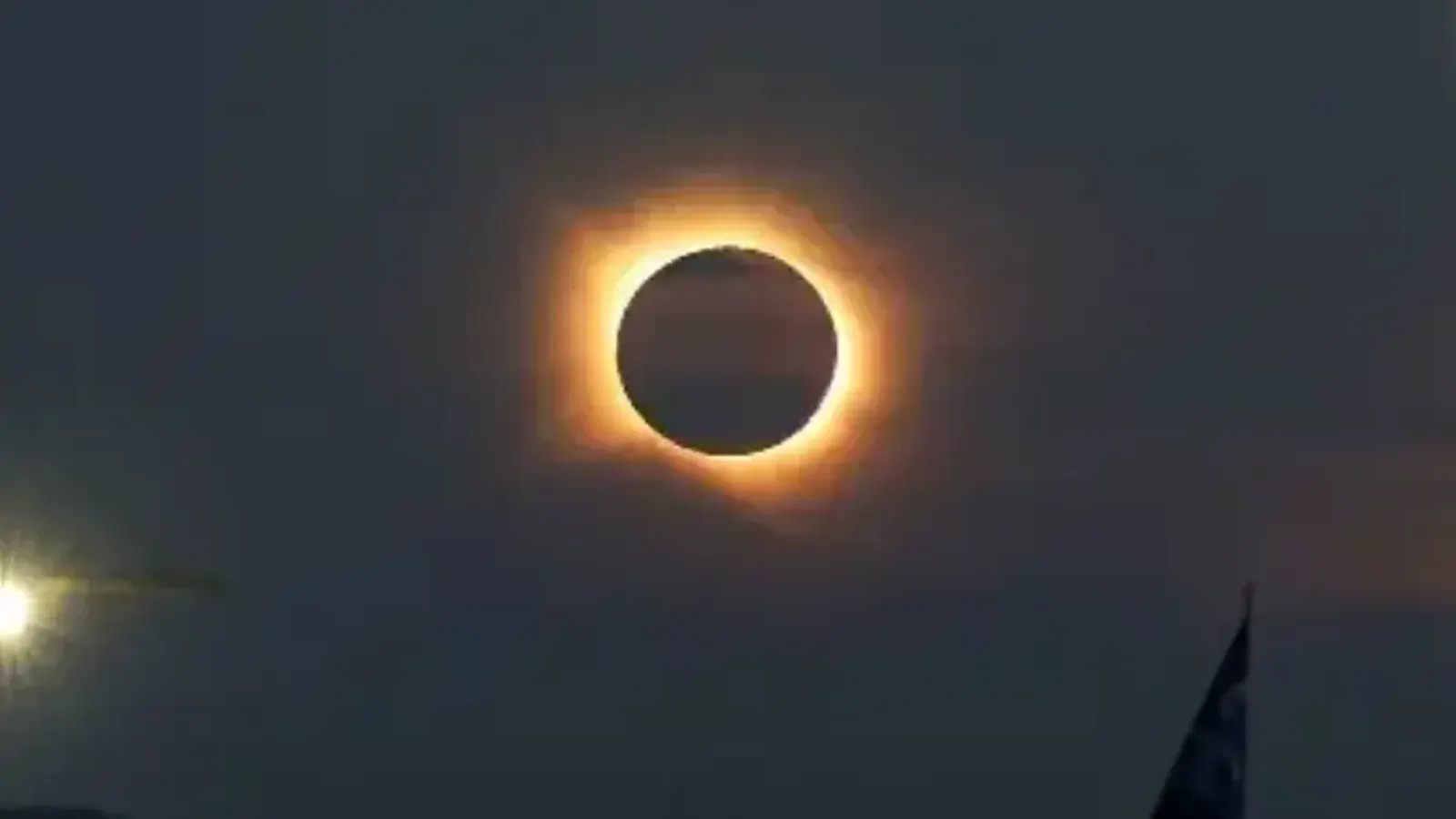
Astronomers and skywatchers from around the globe are setting their sights on Egypt, where a historic total solar eclipse is officially scheduled to take place on August 2, 2027. The celestial event will center over the historic city of Luxor, drawing immense global attention due to its rare duration and the unique viewing conditions expected during the phenomenon.
According to verified NASA data, the upcoming eclipse will shroud Luxor in complete darkness for an impressive duration of six minutes and twenty-three seconds. This extraordinary length of totality stands out significantly in modern astronomy, as NASA records confirm that no other location on Earth will witness a total solar eclipse of such prolonged duration until the year 2114.
Highlighting the scientific and observational significance of the event, Roger Davis of Oxford University provided valuable insights regarding the prolonged darkness. Commenting on the duration, Roger Davis noted that six minutes and twenty-three seconds is a remarkably long time, explaining that because the darkness lasts for such an extended period, human eyes will be able to gradually adapt to the surrounding environment.
Furthermore, international astronomical records establish that this upcoming event holds a distinct place in modern solar observation history. Specifically, authorities and researchers confirm that the August 2027 celestial phenomenon will officially mark the longest total solar eclipse visible directly from land since the historic eclipse of 1991.
As preparations continue for the monumental gathering in Luxor, travel and scientific sectors are anticipating a massive influx of visitors eager to witness the milestone event. With the combination of Oxford University expertise, NASA tracking, and the unique geographical advantage of Luxor, the 2027 solar eclipse is firmly positioned as one of the most significant astronomical occurrences of the century.