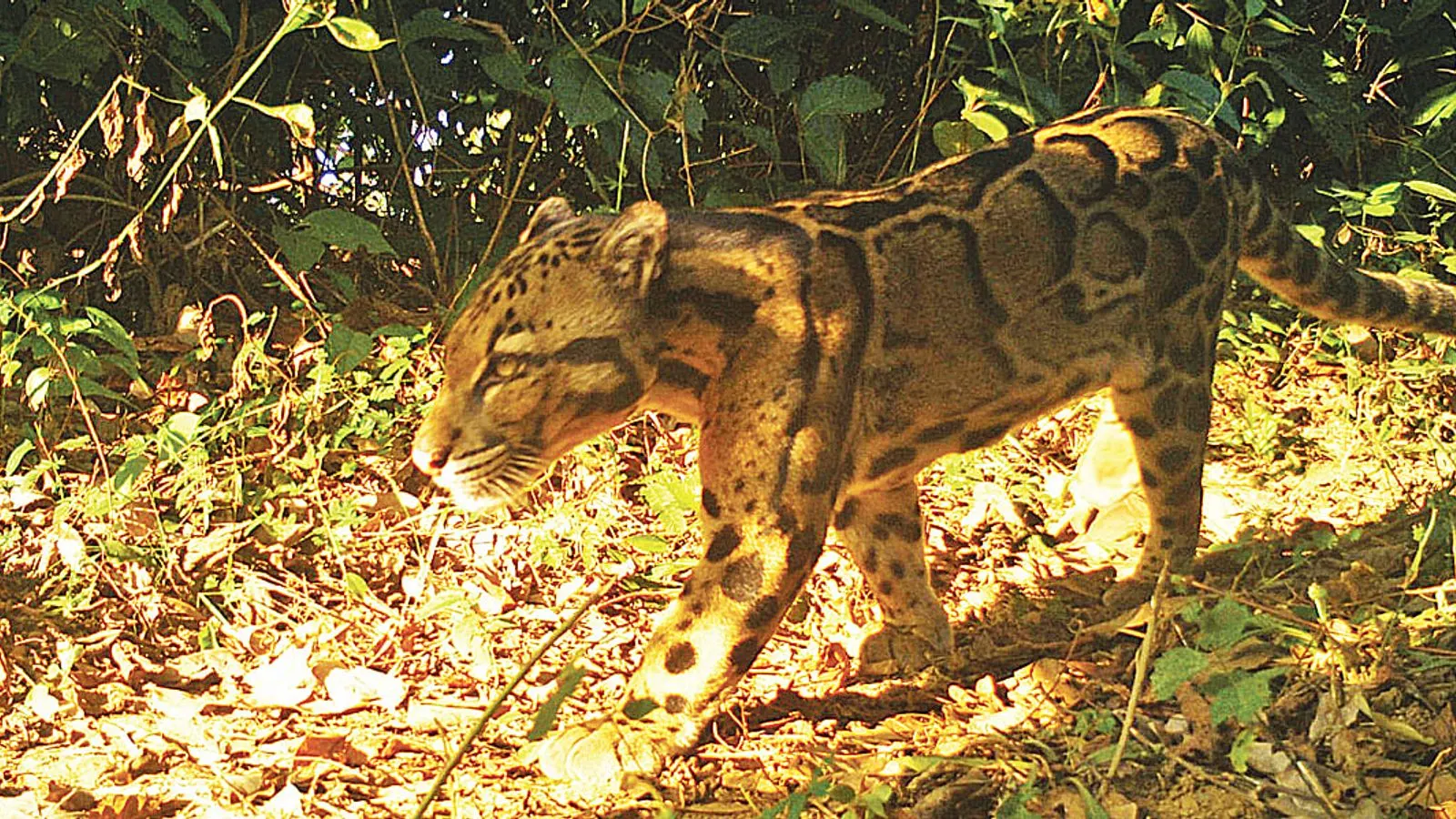

New Study Reveals Bengal Fox Behavior and Diet in Bangladesh
Researchers from Dhaka University and the University of Illinois have published a comprehensive study on the behavior, habitat, and diet of the endangered Bengal fox in northern Bangladesh. The findings, published in the journal Ecology and Evolution, provide crucial insights into the ecology of this small canid species.
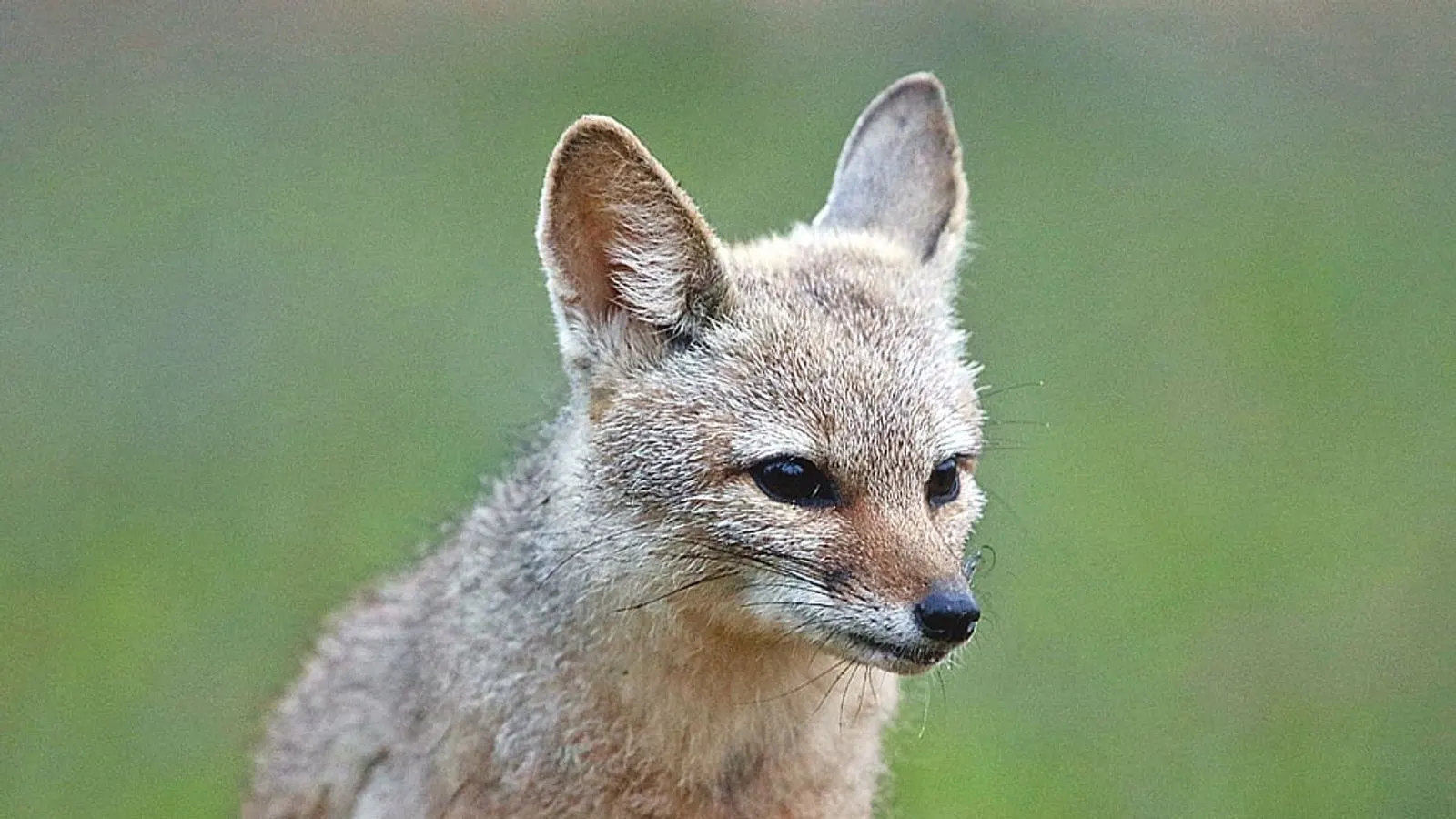
A collaborative research initiative involving researchers from the Department of Zoology at Dhaka University and specialists from the University of Illinois and the Prairie Research Institute has shed new light on the behavior, habitat, and diet of the Bengal fox. The scientific investigation was conducted specifically within the Atoir upazila of the Panchagarh district in Bangladesh, offering detailed observations of a population of these small carnivores in their natural environment.
The comprehensive field study took place over a period of several months, specifically from March to May 2024. During this timeframe, the research team utilized advanced camera-trapping methods to monitor the animals, ultimately gathering an extensive collection of visual data that included more than 4,500 individual video clips. In total, the researchers successfully analyzed 12 hours and 18 minutes of continuous video footage to document the daily habits and social structures of the Bengal foxes.
According to the detailed findings, the physical characteristics of the studied Bengal foxes align with their typical profile, noting an adult weight ranging between 1.8 and 3.6 kilograms and a body length of merely 31 inches. Among the social behaviors recorded by the camera traps, researchers observed up to six Bengal foxes sharing a single den simultaneously, highlighting the communal aspects of their habitat utilization.
The temporal activity patterns of the species were also clearly mapped out during the 2024 research period. The analysis revealed that the Bengal foxes exhibit peak movement and foraging activity during two distinct windows of the day: early in the morning from 4:30 AM to 6:30 AM, and during the evening hours from 6:00 PM to 8:00 PM.
To understand their nutritional ecology, the researchers examined 5,400 camera-trap videos, out of which 45 percent of the footage successfully identified specific types of food consumed by the animals. The dietary breakdown showed that insects constituted 19 percent of their recorded food sources, while birds appeared in 18 percent of the feeding instances, and rats accounted for 8 percent. Notably, termites were captured on video being consumed in 16 separate instances.
The completed research paper has now been published jointly through the British Ecological Society and Wiley Publishing in the academic journal Ecology and Evolution. This publication is of significant conservation importance, particularly because the International Union for Conservation of Nature (IUCN) currently classifies the Bengal fox as an endangered species within its red list for Bangladesh, drawing vital attention from local authorities including the Forest Department.