Waterlogging Hits Dhaka Streets After Rain Sparks Public Suffering
Residents in Dhaka faced severe waterlogging on Sunday following afternoon rainfall across various areas of the capital. Commuters expressed frustration as even minor showers caused significant accumulation on major roads.
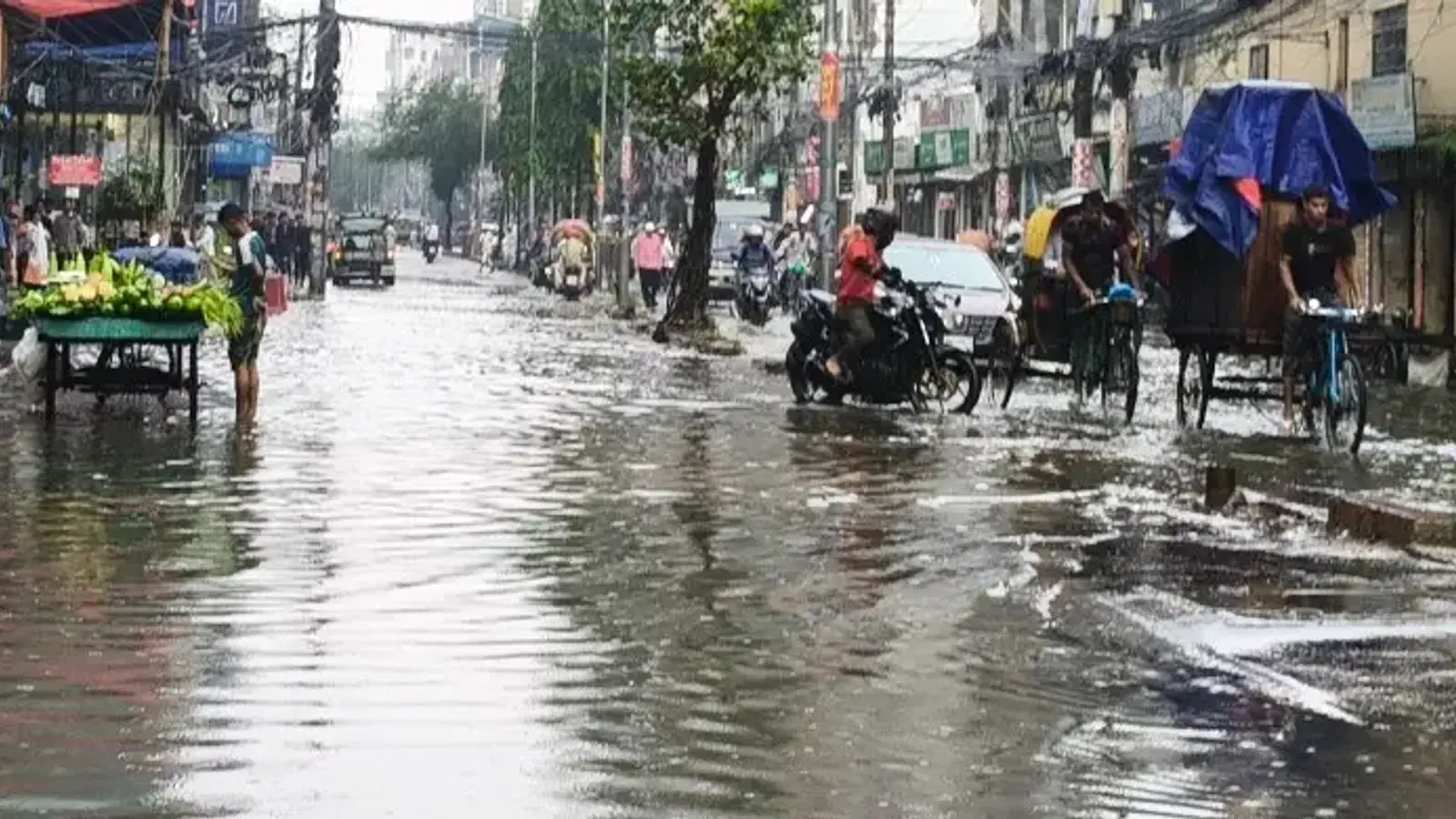
On Sunday, September 6, 2026, residents across various areas of Dhaka experienced significant waterlogging and public suffering following rainfall that began after 11:00 AM and lasted around 3:00 PM. According to verified reports, even minor precipitation led to water accumulation on streets in several prominent neighborhoods throughout the capital city, disrupting normal daily activities for commuters and locals alike.
The recurring issue of water stagnation has drawn sharp criticism from local residents who navigate the affected zones daily. Citizens pointed out that the drainage problems have noticeably worsened over time, creating daily hazards. Among those affected, Salim Hossain shared his observations regarding the changing conditions of the local infrastructure, noting the frequency with which water now accumulates on previously unaffected roadways.
'A heavy downpour used to cause water to pool on the streets of Hatirjheel in the past. Lately, I see water accumulating even with a little rain,' said Salim Hossain, highlighting the deteriorating drainage situation in the area as documented by Jago News.
In addition to flooded pathways, pedestrians face secondary hazards from vehicular traffic moving through the inundated streets. The forceful movement of automobiles through standing water creates splashes that directly impact people walking alongside the roadways, adding to the discomfort of those trying to commute in the adverse conditions.
'Private cars and other vehicles move at high speeds through the waterlogging. This causes water to splash and soak our clothes. Afterward, we have to remain in wet clothes,' Salim Hossain added, describing the daily hardships faced by the public during these weather events.
Similar concerns were raised by other residents observing the decline in urban drainage efficiency. Hossain Mia also remarked on the unexpected permanence of the water stagnation, emphasizing that the current situation represents a clear departure from how the local infrastructure handled rainfall in the past, according to the observations recorded on September 6, 2026.