

Vicar Helps Uncover Monsanto Toxic Waste Dumping in BBC Film
A Shropshire vicar and environmental campaigner has helped uncover historic toxic waste dumping by Monsanto. The findings are featured in a new BBC documentary starring actor Michael Sheen.
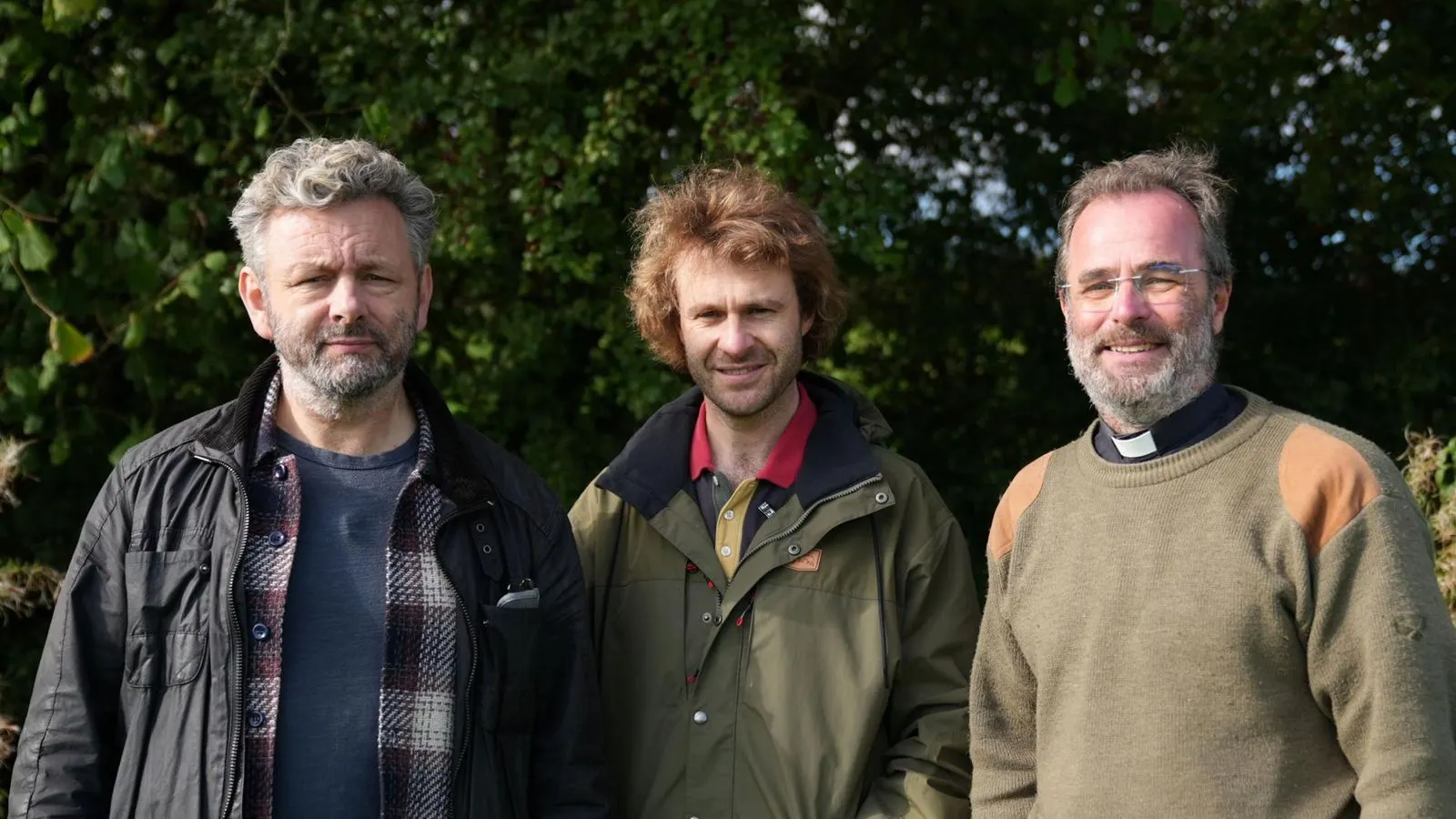
A Shropshire vicar and environmental campaigner has played a pivotal role in uncovering historic toxic waste dumping by chemical giant Monsanto. His investigation forms a central part of a new BBC documentary featuring Welsh actor Michael Sheen. Alongside the television production, the findings have been highlighted in connection with a BBC radio series titled Buried, which has shed light on widespread chemical contamination across multiple regions.
The investigative efforts were driven by the Rev Paul Cawthorne, who worked alongside environmental chemist Dr Dave Megson to trace the legacy of Monsanto's waste disposal. According to the Rev Paul Cawthorne, his investigative trail began when he uncovered chemical dumping by Monsanto at Stoney Hill in Telford. Driven by these initial findings, the campaigner explained his methodology: 'When I found out about the Monsanto chemical dumping at Stoney Hill, I next identified Sutton Walls in Herefordshire, then Cefn Mawr in north Wales.' Expanding his geographical scope across national borders, the vicar added, 'I then went around south Wales valleys identifying historically documented sites which needed additional testing.'
Historical records confirm that Monsanto legally dumped waste at the Stoney Hill site in Telford during the mid to late 1980s. Following local government reorganizations, Telford and Wrekin Council formally took over the management of the Stoney Hill landfill site in 1998. Furthermore, an official assessment conducted by the Environment Agency in 2008 previously concluded that the location was not considered a harm to the local environment. Defending current oversight, a council spokesperson stated that 'Information about Stoneyhill landfill site's active management plan is available on the council's website,' while Telford and Wrekin Council maintained there is 'no evidence in the records received from Shropshire County Council that toxic materials or waste were tipped in Stoneyhill landfill.'
Despite historical reassurances from regulatory bodies, independent testing associated with the broader investigation has revealed alarming environmental data. Statistical findings highlighted that nine out of 10 sites discussed in the Buried BBC radio series contained dangerously elevated levels of polychlorinated biphenyls, a persistent and hazardous class of industrial chemicals. Describing the severity of the newly uncovered data, the Rev Paul Cawthorne characterized the measurements as 'dangerously elevated levels' and stated, 'The results at some were literally off the scale and will have a big impact in professional circles, assuming they cannot continue to try to ignore them now.'
The collaborative investigation brings together local activism, scientific analysis led by figures like Dr Dave Megson, and high-profile media attention through Michael Sheen's involvement with the BBC. By tracing the documented disposal sites across Shropshire, Herefordshire, north Wales, and south Wales, the project has reignited scrutiny over how historical industrial waste is monitored, managed, and perceived by authorities such as the Environment Agency and local municipal bodies including Shropshire County Council.