US Strategic Petroleum Reserve Drops to Lowest Level Since 1982 Amid Viral Claims
Viral online claims suggest the United States has only 14 days of oil left as strategic reserves decline. Experts note this calculation incorrectly mixes crude reserves with total refined product consumption while ignoring domestic production and imports.
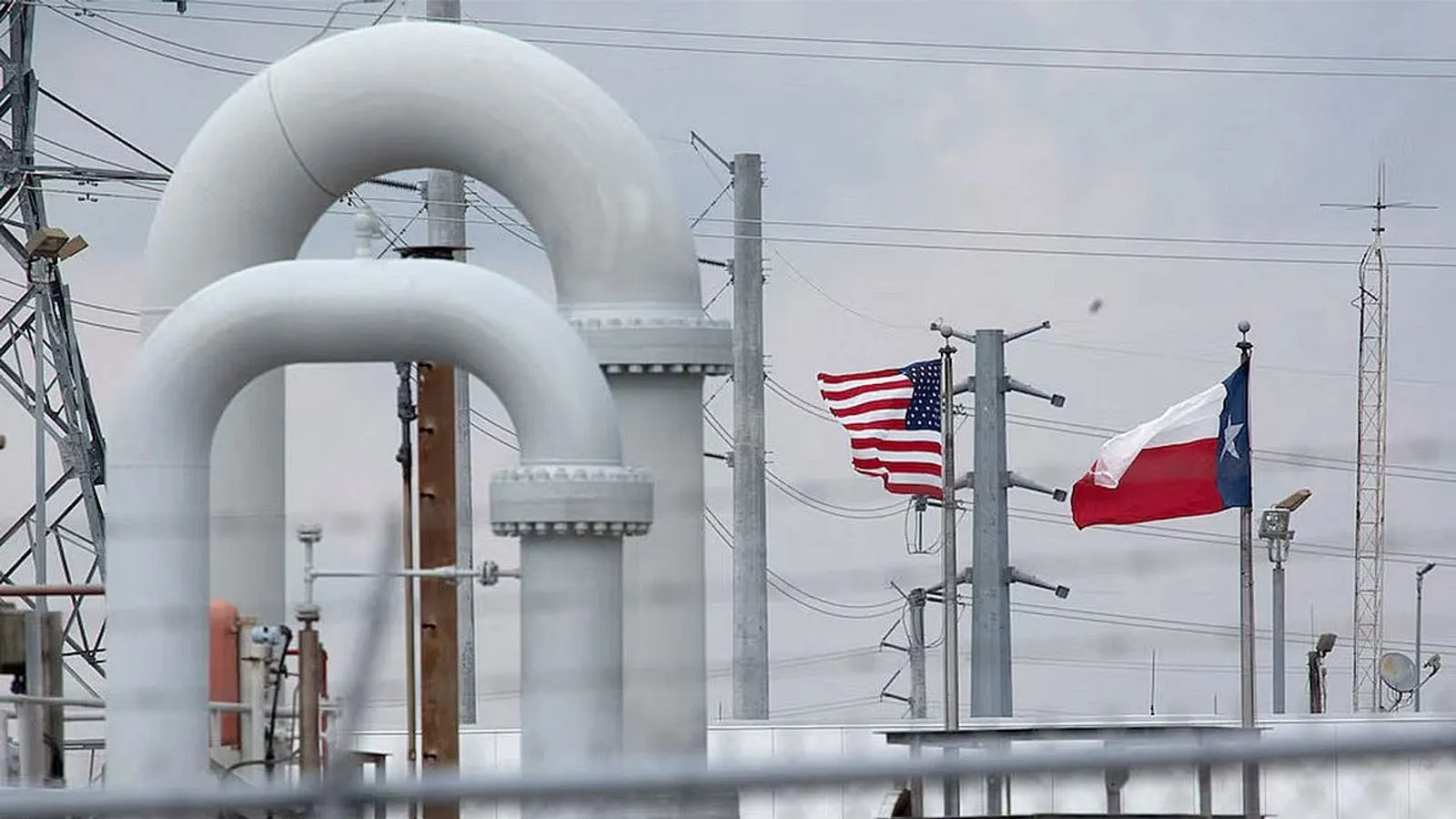
Recent viral online claims have circulated suggesting that the United States Strategic Petroleum Reserve is rapidly running out and has only about 14 days of oil remaining. This assertion has gained traction across digital platforms, drawing renewed attention to the fluctuating levels of the nation's emergency crude oil stockpiles and the complexities of national energy security metrics.
According to official data, the current United States Strategic Petroleum Reserve has dropped to approximately 286.6 million barrels. This figure marks the lowest recorded level for the federal emergency stockpile since November 1982. The inventory has seen a significant decline over recent years and months, contrasting sharply with historical figures from earlier periods.
To provide broader context on the trajectory of the emergency reserves, the stockpile stood at 63.8 million barrels at the end of 2020. Entering the current year, the total reserve capacity was measured at 415 million barrels. By early last month, that figure had further decreased to 300 million barrels, leading up to the recent reading of 286.6 million barrels. Notably, the total storage capacity across the nation's four underground salt caverns stands at 714 million barrels.
The viral online calculation behind the 14-day claim relies on specific numerical figures. The calculation uses the remaining reserve of 28.66 crore barrels and divides it by a daily consumption rate of 2.07 crore barrels, which corresponds to the official daily United States petroleum consumption statistic of 20.7 million barrels. Based strictly on this arithmetic, the claim asserts the country has roughly two weeks of energy supplies left.
Energy analysts and reporting from organizations such as National Public Radio, alongside analysis referenced by Reuters, have debunked the methodology of the viral claim. The flawed calculation fundamentally mixes crude oil reserves directly with total refined petroleum product consumption. Furthermore, the simplistic math completely ignores vital economic and logistical factors, including robust commercial inventories, ongoing international imports, and substantial domestic production rates across the United States.
Public discussions surrounding the management and administration of the strategic reserve have frequently involved prominent political figures, including former presidents Donald Trump and current leadership under Joe Biden. While the Department of Energy oversees the management and drawdown of the underground salt caverns, the debate over reserve levels continues to intersect with broader national conversations about energy independence, market stability, and federal resource management.