

Global Shift: Nations Reduce Reliance on United States Across Sectors
Recent international developments show countries cutting their reliance on the United States across finance, gold reserves, and tourism. Nations including the Netherlands, France, and Norway are actively shifting their economic and strategic positions.
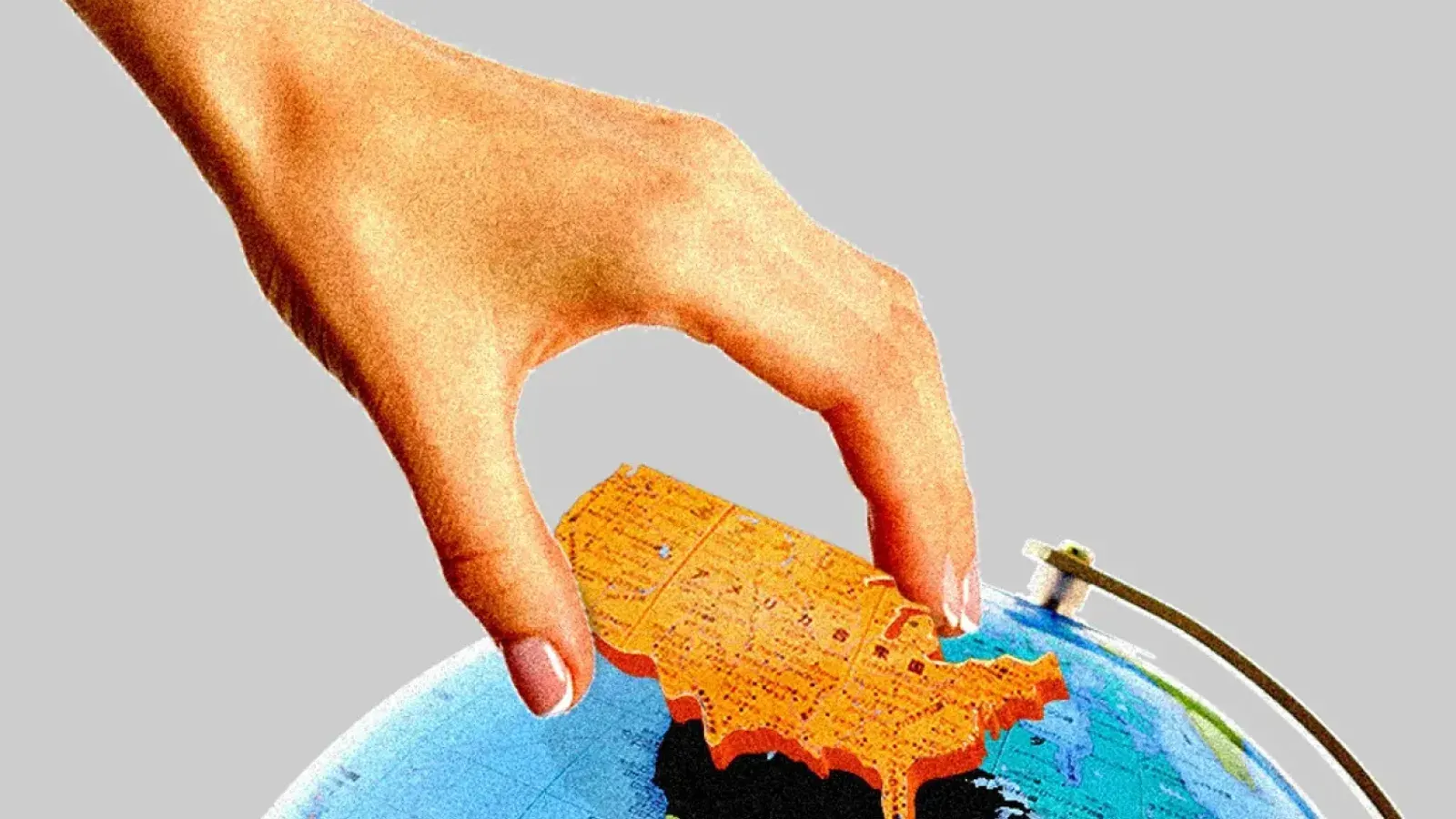
In a notable global shift, several countries are systematically reducing their reliance on the United States across multiple vital sectors, including finance, gold reserves, defense, technology, and tourism. This widespread international trend marks a significant recalibration of traditional geopolitical and economic partnerships, particularly involving nations in Europe and global financial institutions.
As part of the financial restructuring, the Netherlands has taken the decisive step of removing 86 tons of gold from the United States and Canada. In a similar move reflecting growing caution regarding foreign reserves storage, France has completely withdrawn all of its gold holdings from New York, returning the precious metals to domestic vaults.
The financial adjustments extend beyond physical bullion into sovereign investments and government bonds. Norway's sovereign wealth fund has officially announced its intention to decrease its investments in United States Treasury bonds, signaling a strategic diversification away from American financial debt instruments in the near future.
The trend of reduced engagement with the United States is also visibly impacting the American tourism and travel sector. Official data indicates that international travel to the United States experienced a notable decline of 5.5 percent over the course of the year 2025, affecting hospitality and tourism economies nationwide.
Furthermore, consumer and traveler behavior has shifted noticeably following political transitions within the United States. Specifically, following the start of Donald Trump's presidential term, the volume of German travelers visiting the United States dropped sharply by 25 percent, illustrating the broader cultural and economic impacts of these evolving global dynamics.