
US Missile Strike on Iranian Wedding Kills Four as Regional Tensions Surge
A US missile strike on a wedding ceremony in southern Iran has left four people dead, including two children, triggering widespread retaliatory missile and drone attacks across the Middle East. The escalating conflict has heightened fears for regional stability and disrupted crucial energy shipments through the Strait of Hormuz.
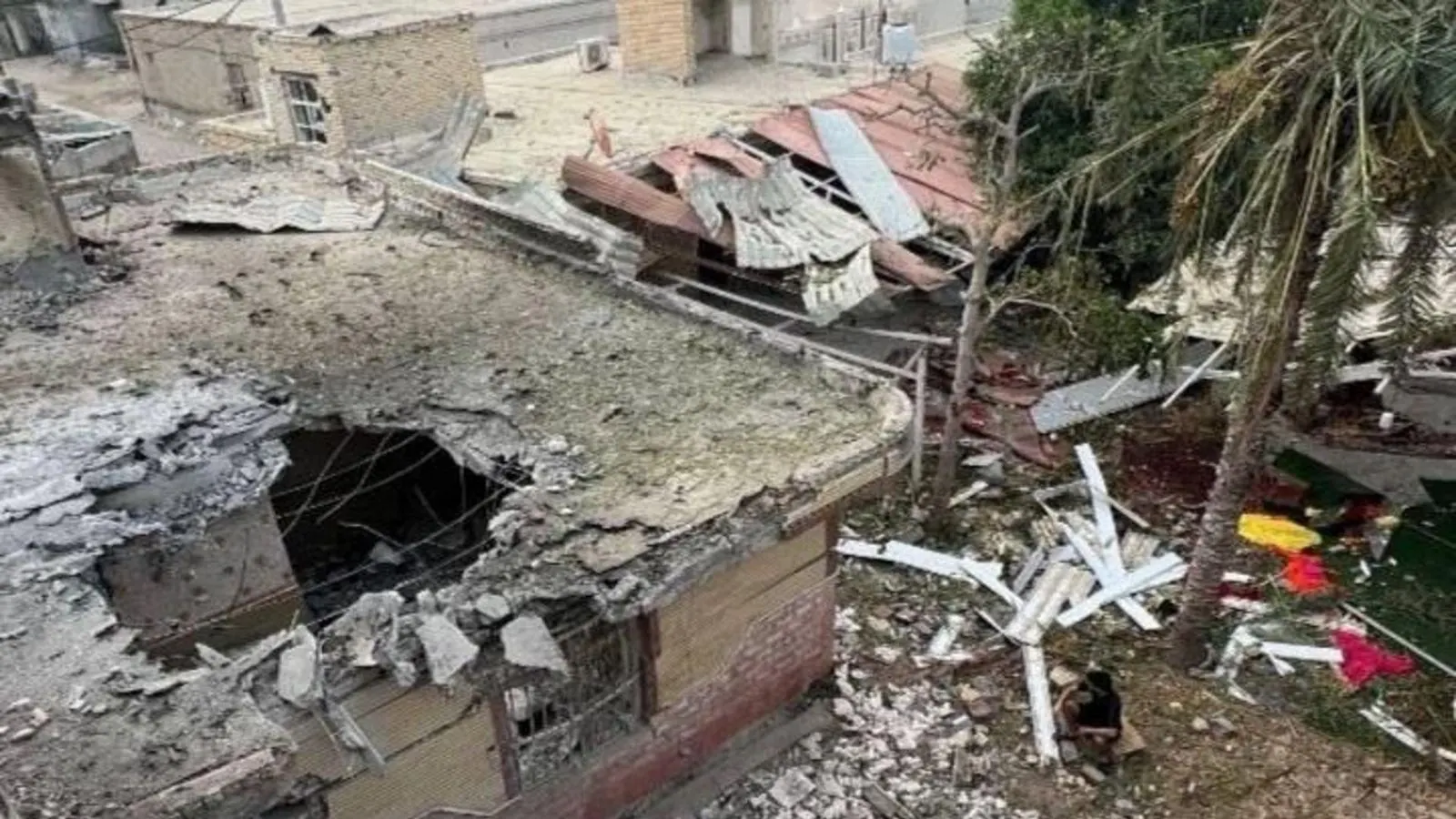
A military missile strike has hit a family wedding ceremony in the coastal area of Kuhestak, located in the Sirik district of southern Iran, resulting in tragic civilian casualties. According to verified reports, the attack on the wedding celebration killed four people, including two children, while leaving 67 others injured. BBC Verify subsequently confirmed video and image evidence showing extensive destruction near the coast of Kuhestak, which included a damaged telecommunications tower and severely impacted residential houses in the area.
Ali Mallahi, whose daughter's wedding was targeted in the assault, spoke about the devastating impact on his family and community. Describing the scene, Mallahi stated: “Unfortunately, this is a residential building. And unfortunately, this happened during my daughter's wedding ceremony.” Despite the immense grief and destruction, he also added: “It is a very saddening incident... Thank God the casualties were not higher.” Zarkhatoon Taheri, Kolsum Mallahi Nazhdnia, Mohammad Mallahi, and Amirali Karimi were among those affected by the unfolding violence in the region.
In the aftermath of the initial military action, US President Donald Trump described Tuesday's strikes on Iran as large and powerful operations. However, the actions drew sharp exchanges between military officials. Captain Tim Hawkins defended the American military stance, asserting: “The US military never targets civilians, unlike the IRGC.” Despite this assertion, the strikes on Iran, along with subsequent actions, have triggered a broader wave of regional escalations involving multiple state actors and security forces across the Middle East.
Following the deadly wedding strike and other military actions, Iran launched a barrage of missiles and drones targeting US assets across Jordan, Kuwait, Iraq, and Bahrain. During these retaliatory actions, the Jordanian Armed Forces reported engaging 13 ballistic missiles, successfully destroying 10 of them while three fell in remote areas. The wide-ranging military exchanges have resulted in significant casualties across various locations, including seven people killed in three separate US strikes around Ahvaz and Aqajari, four members of the Islamic Revolutionary Guard Corps (IRGC) aerospace force killed in Kermanshah, and three members of the Basij Resistance Force killed on Lavan island.
The military escalation has also severely impacted regional maritime security and global commerce. The conflict has heightened concerns regarding the Strait of Hormuz, a vital international waterway through which approximately 20% of global oil and gas shipments usually pass. Adding to the maritime crisis, two Filipino sailors were killed in a separate security incident involving a crude oil tanker named SIDR, which is linked to Saudi Arabia's national shipping company. As international organizations such as the Iranian Red Crescent Society monitor the rising death toll and widespread injuries, diplomatic and security pressures continue to mount across Iran, Jordan, Kuwait, Iraq, and Bahrain.