
Understanding USB4 Technology, Bandwidth, and Speed Specifications
An in-depth look at USB4 technology, tracing its evolution from its 2019 launch to the high-performance capabilities of Version 2.0. Explore the bandwidth specifications, data transfer rates, and versatile hardware features that define modern USB-C connections.
Originally launched in 2019, USB4 represents a major technological leap forward in the evolution of universal serial bus connectivity. Designed to unify various connection types and streamline peripheral compatibility, this standard brings advanced performance capabilities to modern computing hardware. At the core of the USB4 architecture is a sophisticated approach to data management, allowing hardware manufacturers and everyday users to leverage unprecedented levels of throughput for demanding digital workloads and high-end peripheral devices.
When examining the performance metrics of the technology, the bandwidth improvements over older generations are substantial. While traditional USB 3.2 connections offered maximum bandwidths of 10 or 20 Gbps—and the very first generation of USB 3.2 featured a modest maximum data transfer rate of just 5 Gbps—first-generation USB4 shatters those limitations. First-generation USB4 is capable of delivering a massive bandwidth of 40 Gbps, enabling rapid data movement across compatible devices and streamlining intensive digital workflows.
The standard has continued to evolve with the introduction of USB4 Version 2.0 devices, which push performance thresholds even higher by offering maximum bandwidth up to an incredible 80 Gbps. These substantial bandwidth figures translate directly into real-world storage performance. Portable solid-state drives utilizing standard USB4 achieve impressive write speeds of up to 4,000 MB/s, whereas hardware running on the newer USB4 2.0 standard can double that capability, reaching staggering portable SSD write speeds of up to 8,000 MB/s.
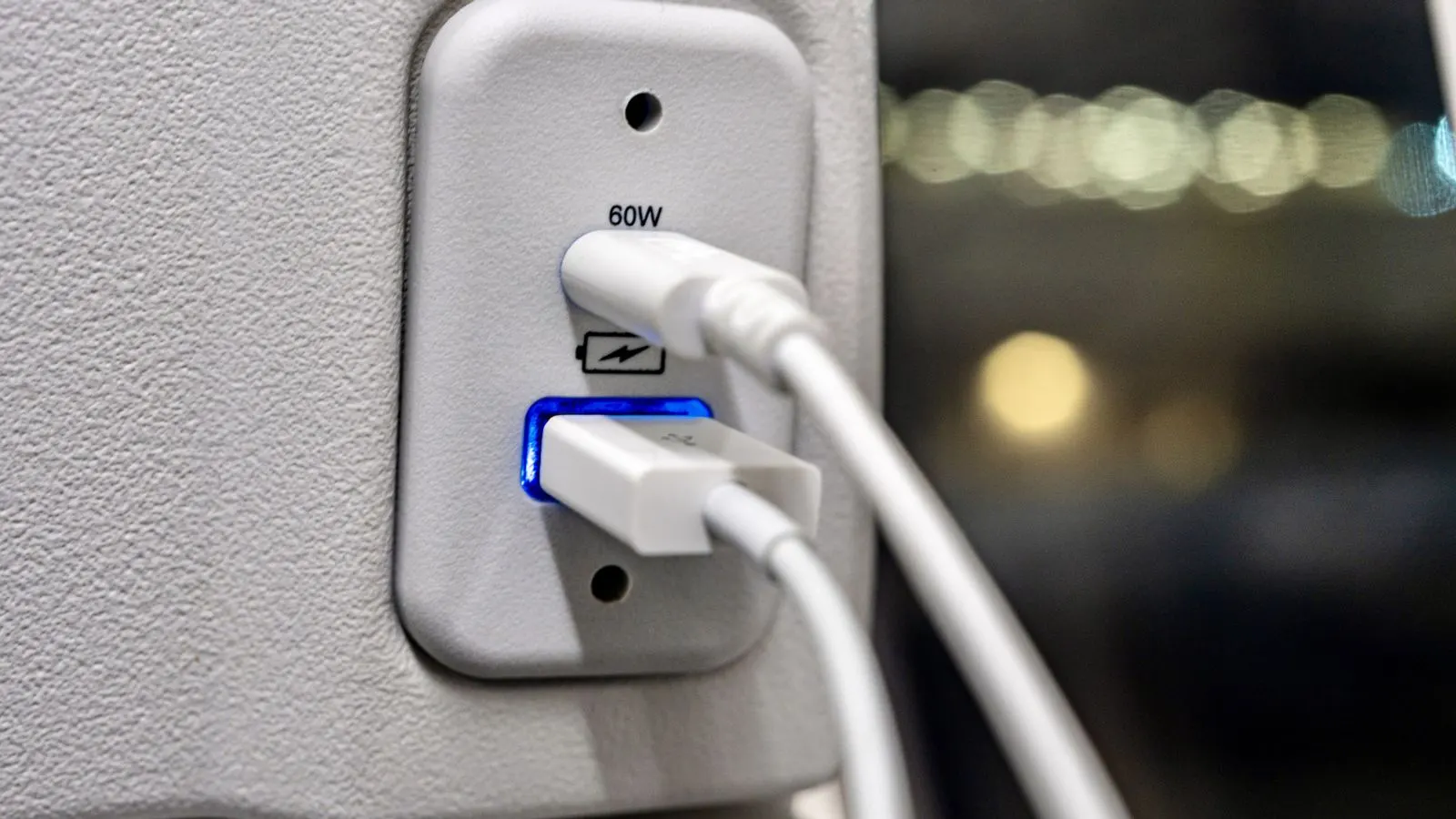
Beyond raw data transfer speeds, USB4 is engineered to handle a remarkably diverse set of tasks simultaneously through a single physical interface. The technology natively supports video output, simultaneous data transfers, hosting a video signal, and handling device charging all at the exact same time. This multi-functional capability reduces cable clutter on desks and simplifies docking station architectures by routing power, display signals, and heavy data streams through a solitary tether.
Hardware compatibility and physical connectivity are also important considerations for users adopting the standard. All USB4 cables utilize the familiar USB-C connector design. However, users must be aware that older USB-C connectors and cables do not support the higher bandwidth specifications native to USB4. Ensuring full performance requires verifying that both the host device, the connecting cable, and the peripheral hardware are explicitly certified for USB4 operation to prevent bottlenecks and fully unlock the technology's advanced potential.