
Back-to-School Laptop Buying Guide Amid RAM and Storage Crunches
Navigating back-to-school laptop shopping requires careful planning amid ongoing RAM and storage crunches. Experts provide essential recommendations for students and teachers seeking reliable devices.
As students and educators prepare for the upcoming academic year, shopping for a new computer comes amid an ongoing RAM and storage crunch affecting the global technology market. Industry observers note that the components required to build modern computing devices are currently subject to significant supply constraints, which directly impact overall computer prices and availability for consumers looking to upgrade their technology ahead of classes.
Market analysts monitoring the situation have highlighted the severity of the component shortage, reporting that memory being manufactured through 2027 has already been fully allocated. This heavy pre-allocation leaves very little room for sudden market shifts or unexpected surges in demand, meaning buyers navigating the retail landscape may encounter pricing pressures across various brands and configurations as they search for suitable back-to-school hardware.
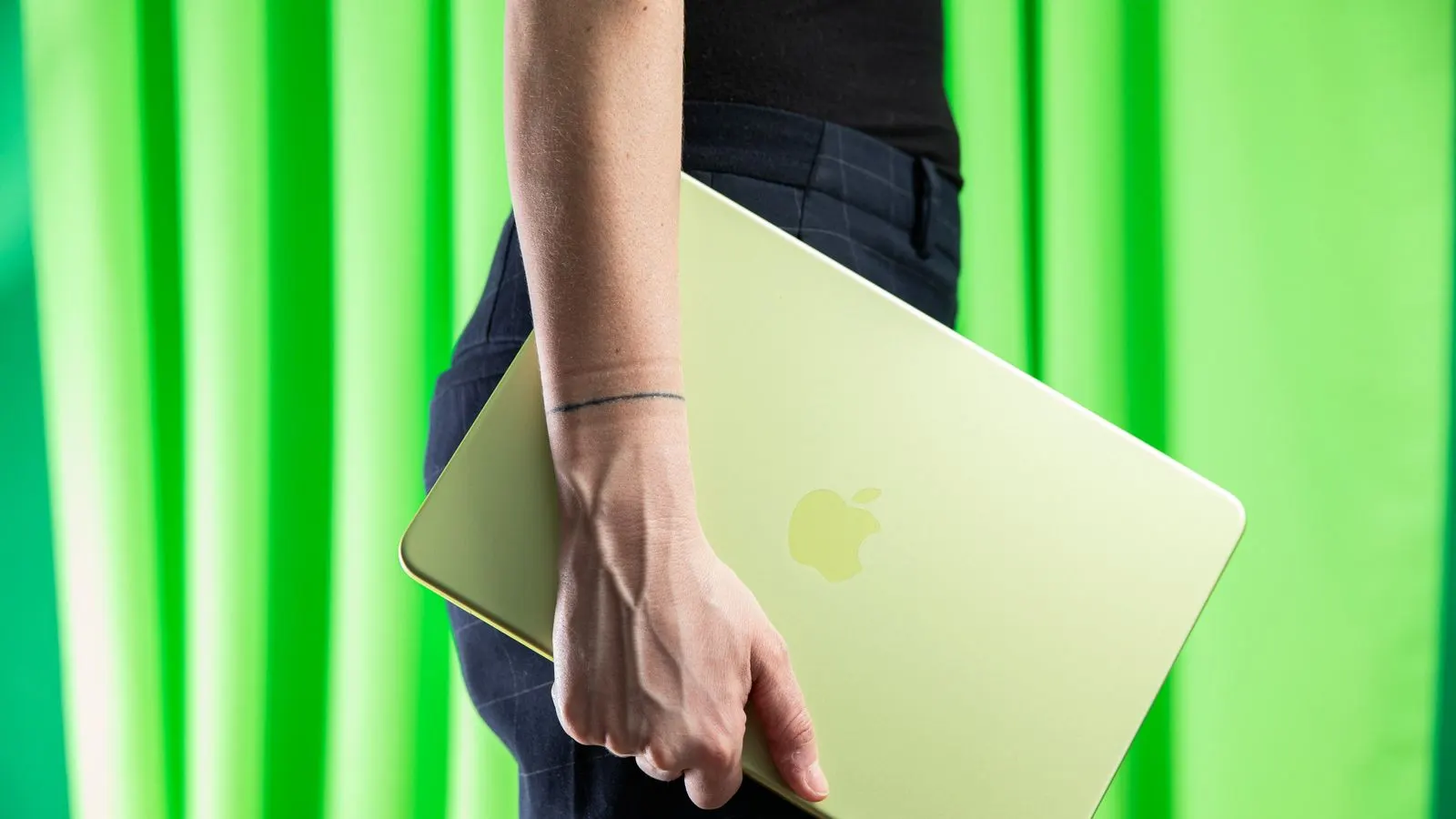
For those considering Apple hardware, pricing structures vary depending on the specific model and educational status of the buyer. The MacBook Neo starts at $599 specifically for students and teachers, while refurbished models are also available on the market for $599. Meanwhile, the 13-inch MacBook Air starts at $1,299 for general buyers, though it is offered at $1,199 for qualifying students, and the larger 15-inch model carries a retail cost of $1,499.
Shoppers navigating these purchases will find that configurations often hinge on component specifications like 8GB of RAM, 16GB of memory, and 512GB of storage, while entry-level devices frequently stick to 256GB of base storage. Budget-conscious buyers exploring options under $500, or considering mid-range alternatives around $700, must carefully evaluate whether these capacities will meet their long-term academic requirements given the strict memory limitations.
Guidance compiled by Antonio G. Di Benedetto for The Verge, part of Vox Media, helps consumers parse through the vast ecosystem of available hardware. Whether looking at traditional platforms powered by Intel, AMD, and Snapdragon processors, or checking major electronics retailers like Best Buy and manufacturers such as Asus, students and educators must weigh their options against the realities of current component shortages.