Understanding USB-C Port Compatibility and Video Transfer Standards
USB-C has evolved into a primary connection method for modern electronics since its introduction in 2014. Specialized standards like DisplayPort Alternate Mode and Thunderbolt enable seamless video transfers alongside high-speed data.
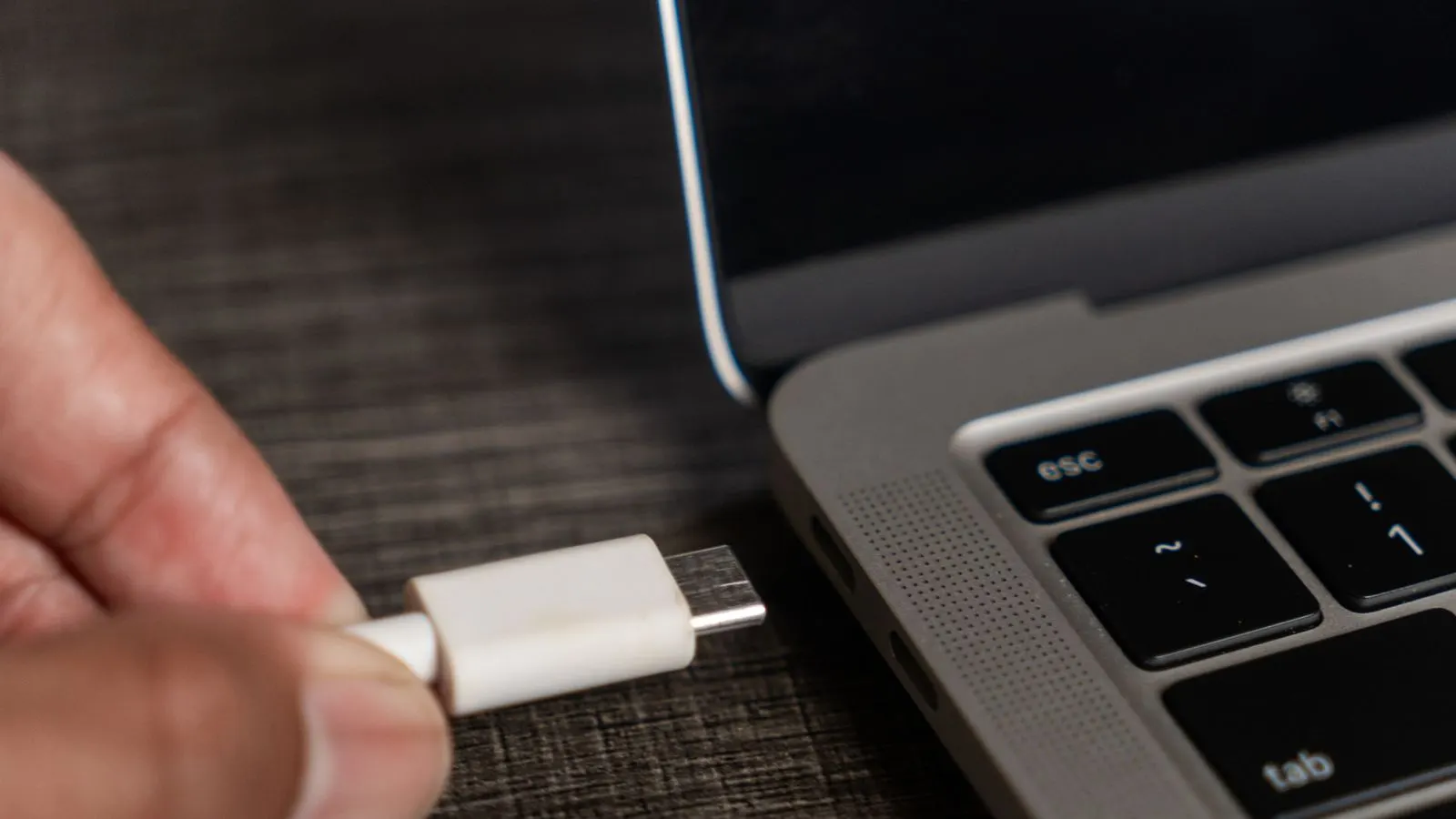
Originally introduced in the year 2014, the versatile USB-C connection standard has steadily transformed into a primary and ubiquitous method for linking laptops, mobile phones, tablet computers, and a wide variety of other electronic devices across the global technology market.
Despite its universal physical shape, not every USB-C port behaves identically when it comes to transmitting visual media. To address the need for external monitors and displays, the technology incorporates a specialized capability known as DisplayPort Alternate Mode, or DP Alt Mode, which allows a standard USB-C cable to directly carry high-definition video signals utilizing the established DisplayPort protocol.
Furthermore, advanced connectivity solutions build significantly upon these foundational capabilities. All generations of Thunderbolt connections that utilize the physical USB-C interface—ranging from Thunderbolt 3 through the newer Thunderbolt 5 iterations—consistently offer robust, high-speed data transmission alongside reliable video transfers, which naturally include full support for DisplayPort Alternate Mode.
In scenarios where physical cabling is either impractical or unavailable, users still retain alternative methods for sharing visual content. Wireless display options, such as AirPlay and Miracast, serve as effective technological backups designed specifically for casting displays seamlessly without the requirement of physical cables.
The ongoing evolution of these standards ensures that consumers interacting with laptops, tablets, and phones continue to navigate a complex landscape of hardware compatibility. Understanding whether a specific USB-C port supports advanced video protocols remains essential for maximizing device utility in everyday digital environments.