
UN Observes First International Day of Indigenous Women and Girls on Sept 5
The United Nations marks the inaugural International Day of Indigenous Women and Girls on September 5, shining a light on the estimated 190 million indigenous women and girls globally. UN Secretary-General Antonio Guterres highlights ongoing health disparities and the vital environmental roles these communities play.
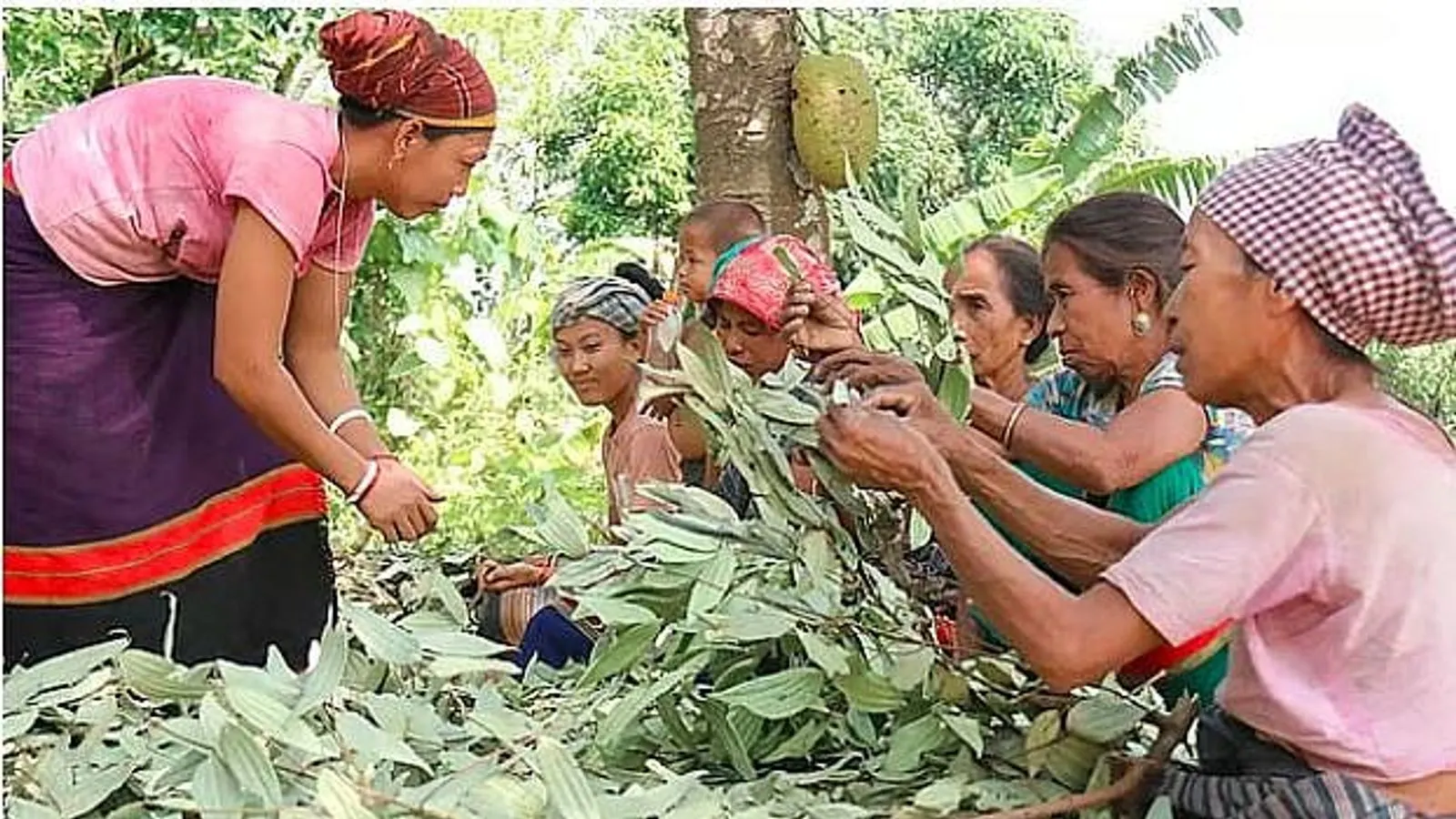
The global community is observing the very first United Nations-declared International Day of Indigenous Women and Girls on September 5, following a significant decision by the international body. The United Nations General Assembly officially established this annual observance on November 26, 2025, through resolution A/RES/80/10, which formally called upon all member states to mark the date.
According to verified global data, the worldwide population of indigenous women and girls is estimated to be approximately 190 million. These individuals represent a massive segment of the global population whose livelihoods, cultures, and daily existences remain deeply intertwined with vital ecosystems and ancient traditions.
Marking the historic occasion, UN Secretary-General Antonio Guterres emphasized the profound contributions and ongoing vulnerabilities of these populations. He stated that indigenous peoples act as guardians of crucial ecosystems and custodians of cultural heritage, yet their rights and livelihoods continue to face numerous threats across the globe.
Addressing health disparities, Guterres noted that compared to non-indigenous populations, indigenous communities suffer from significantly higher rates of maternal and child-related complications and mortality. He stressed that the United Nations is actively working alongside member states and indigenous communities to implement rights-based indigenous health approaches.
Highlighting the necessity of bodily autonomy and community support, the UN chief added that it is critically important for indigenous women to be fully informed about their own bodies, health, and care. He called for collective action to ensure indigenous midwives and their communities receive whatever is necessary for their development and advancement.
Reinforcing the resilience of these communities, international organizations including UN Women, FIMI (International Indigenous Women's Forum), IWGIA, and other global bodies issued a powerful joint statement declaring that their history will not die and their voices will not be silenced.