How Trumpism and Unilateralism Are Reshaping the Post-WWII Global Order
Donald Trump's foreign policy has introduced transactional nationalism and unilateral decisions, challenging traditional world governance. This shift has created institutional chaos within multilateral bodies like the United Nations.
The period following the Second World War was fundamentally driven by a strong sense of idealism, which successfully led to the creation of a multilateral international organization alongside a Western-led global governance system. This historical framework was designed to foster international cooperation, maintain global peace, and manage collective security through shared diplomatic channels and established norms.
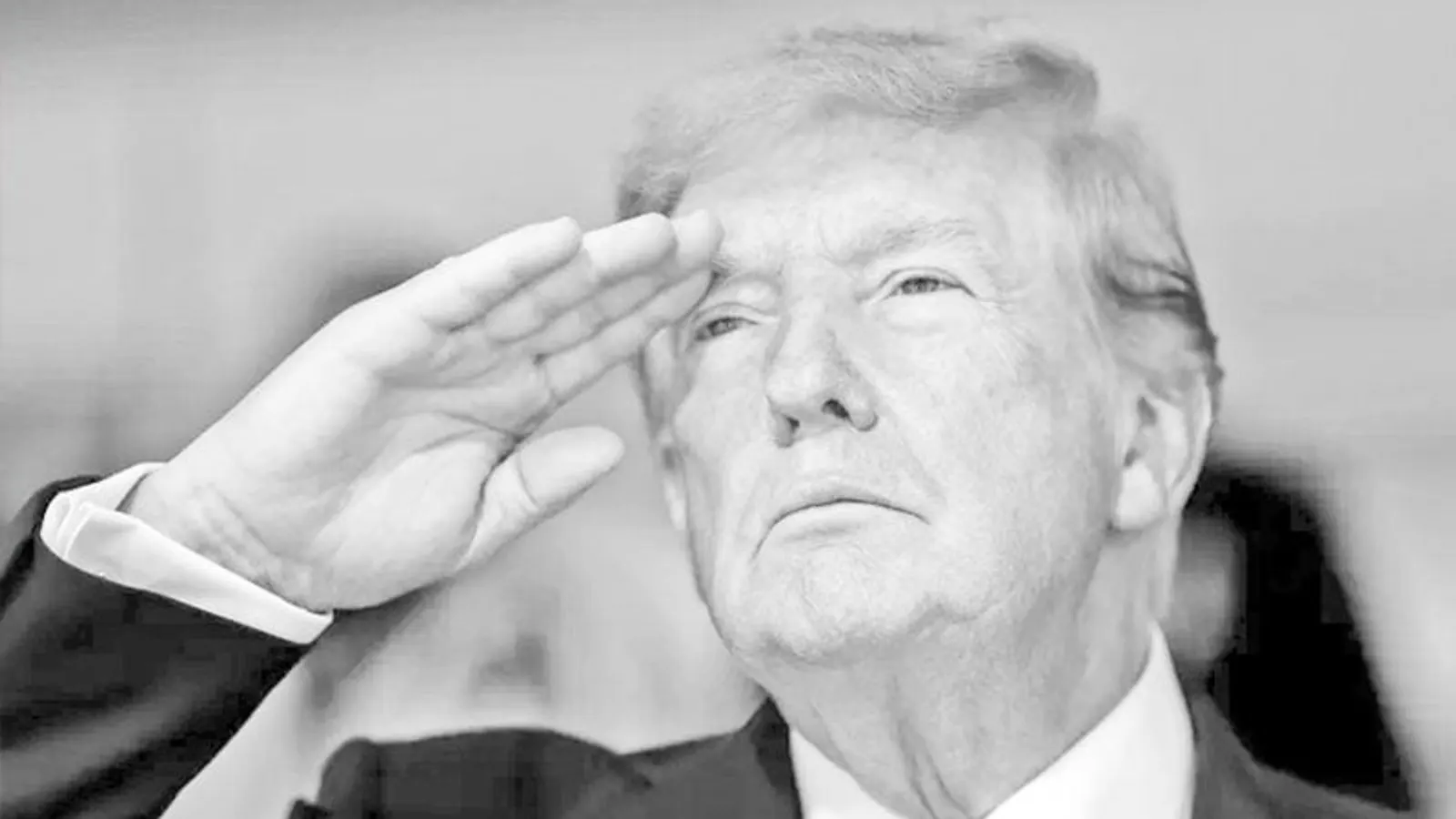
However, the emergence of Donald Trump's foreign policy has significantly disrupted this long-standing diplomatic tradition by introducing unilateral decisions, transactional nationalism, and a dramatic shift away from past international policies. This distinct political approach, widely recognized as 'Trumpism', represents a fundamental departure from the cooperative multilateralism that defined the decades following the Second World War.
Furthermore, Trumpism actively challenges the traditional foundations of world governance by placing a heavy emphasis on national sovereignty combined with strong anti-establishment tones. Rather than prioritizing international alliances and collective agreements, this strategy favors bilateral, transactional approaches that prioritize immediate national interests over broader global stability.
Consequently, the resulting institutional chaos under Trump has most severely affected the United Nations, with the disruptions being felt particularly hard within the United Nations Security Council. As the primary body responsible for maintaining international peace and security, the Security Council has faced unprecedented friction and operational hurdles due to these shifting policy dynamics.
In the wake of these profound geopolitical changes, a noticeable power vacuum has emerged as the United States alters its traditional global role. To address this void, middle-tier military-economic powers and various regional alliances are actively stepping forward to fill the space left behind by the US, ultimately reshaping the future of international relations and global governance.