
Historical Analysis Examines Prophet Muhammad's Strategy Regarding Abdullah ibn Ubayy
An editorial analysis explores the historical strategy, leadership, and foresight of Prophet Muhammad regarding Abdullah ibn Ubayy in Medina. The commentary examines complex political dynamics during the early Islamic period.
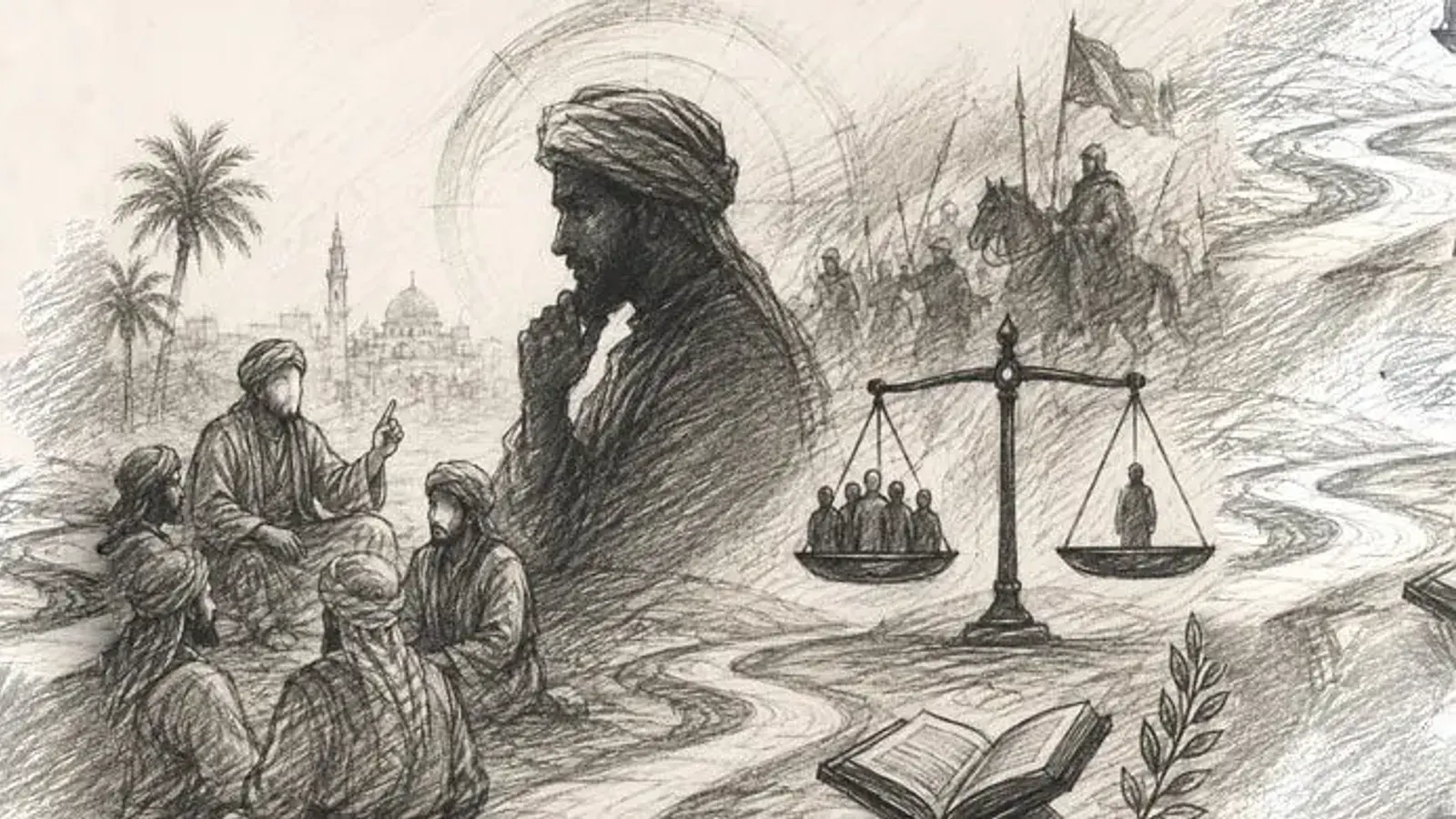
An editorial analysis published by the editorial desk of Jago News on 10 September 2026 examines the historical strategy, leadership, and foresight of Prophet Muhammad regarding Abdullah ibn Ubayy ibn Salul in Medina. The commentary provides a detailed retrospective on the complex political dynamics that unfolded in Medina following the migration of Prophet Muhammad to the city, shedding light on the careful diplomatic and social management required during a transformative era in early Islamic history.
According to the historical analysis, Abdullah ibn Ubayy ibn Salul was a prominent leader in pre-Islamic Medina whose own political ambitions and local standing were significantly affected by the arrival and migration of Prophet Muhammad to Medina. Before the migration, ibn Ubayy had held substantial influence and was positioned to assume leadership over the city, but the shifting political landscape following the Prophet's settlement reshaped the power structures within the region.
The editorial details specific friction points during military campaigns, noting a significant instance where Abdullah ibn Ubayy withdrew from the Battle of Uhud with about 300 men. This withdrawal posed a substantial challenge to the collective defense of Medina at a critical juncture, yet the leadership approach maintained by Prophet Muhammad consistently prioritized broader social stability and long-term community cohesion over immediate punitive measures.
Further historical context highlighted in the analysis includes documented remarks attributed to Abdullah ibn Ubayy concerning the Muhajirun, wherein he reportedly stated, "Upon returning to Medina, those of us with greater honor will certainly drive out the humiliated Muhajirun from there." Despite such divisive rhetoric recorded by historical sources, the Prophet exercised profound restraint in handling internal dissent among the residents of Medina.
The analysis also references consultations involving close companions such as Hazrat Umar and Hazrat Aisha, illustrating the deliberative nature of the leadership. When the suggestion to eliminate internal threats arose, Prophet Muhammad famously responded, "Umar, I cannot give permission to kill him. If that happens, people from all corners of the world will say that Muhammad is killing his own companions after victory," emphasizing his acute foresight regarding public perception and internal unity.
Ultimately, the editorial perspective contributed by U. Dawla through Jago News synthesizes these documented events to evaluate the enduring lessons of leadership, strategic patience, and political foresight demonstrated by Prophet Muhammad in navigating the volatile internal politics of early Medina.