
UC San Diego Researchers Transcribe Eight-Letter Genetic Alphabet
Scientists at the University of California San Diego have successfully demonstrated that RNA polymerase can accurately read and transcribe an expanded eight-letter genetic alphabet. The groundbreaking findings were detailed in a recent academic study.
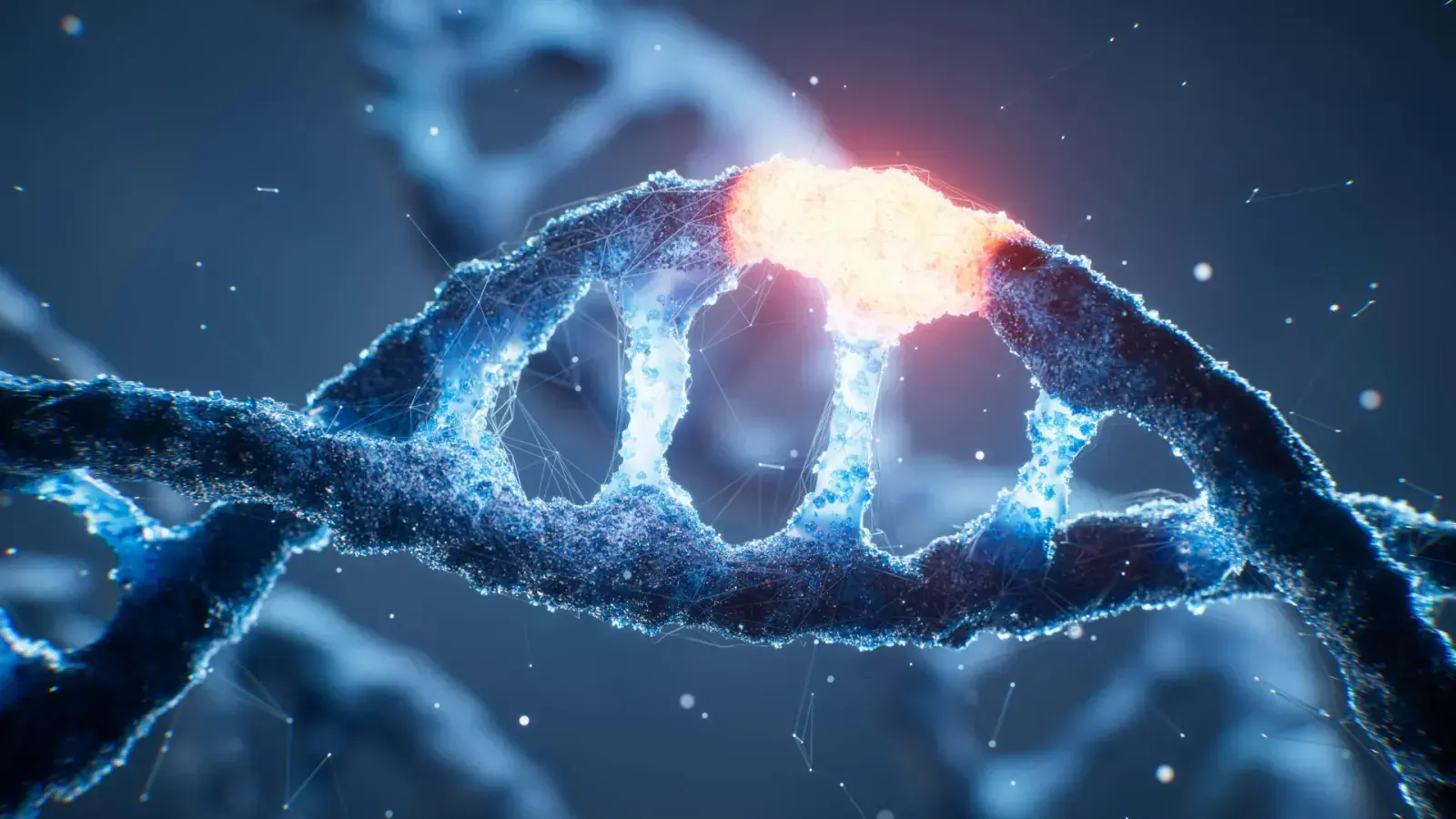
Researchers at the University of California San Diego have made a significant scientific advancement by demonstrating that RNA polymerase is capable of accurately reading and transcribing an expanded eight-letter genetic alphabet. This milestone opens up new possibilities within the field of molecular biology and genetic research at the institution.
The important research effort was led by Dong Wang, PhD, who serves as a professor at the prestigious UC San Diego Skaggs School of Pharmacy and Pharmaceutical Sciences. Professor Wang and his investigative team focused their efforts on understanding how biological machinery interacts with expanded synthetic genetic systems.
Detailed findings from this remarkable study were published in the academic journal Nature Communications on Sept. 2, 2026. The publication highlights the precision with which the cellular transcription machinery handles the complex, newly expanded eight-letter genetic sequences.
In addition to the primary findings released in September, a closely related study authored by the researchers was published earlier in the year in the scientific journal PNAS on Aug. 12, 2026. Together, these two scholarly publications provide a comprehensive look into the expanding capabilities of synthetic genetic transcription.
The ongoing work at the University of California San Diego continues to push the boundaries of modern genetics. By proving that biological enzymes like RNA polymerase can adapt to and process expanded alphabets, the research team paves the way for future innovations in biotechnology and pharmaceutical sciences.