
Scientific Explanation of Tornado Formation and Power Sources
Scientific examination reveals how tornadoes generate extreme destructive power from cloud dynamics and thermal energy. The atmospheric phenomena exhibit distinct seasonal patterns and directional rotation based on the hemisphere.
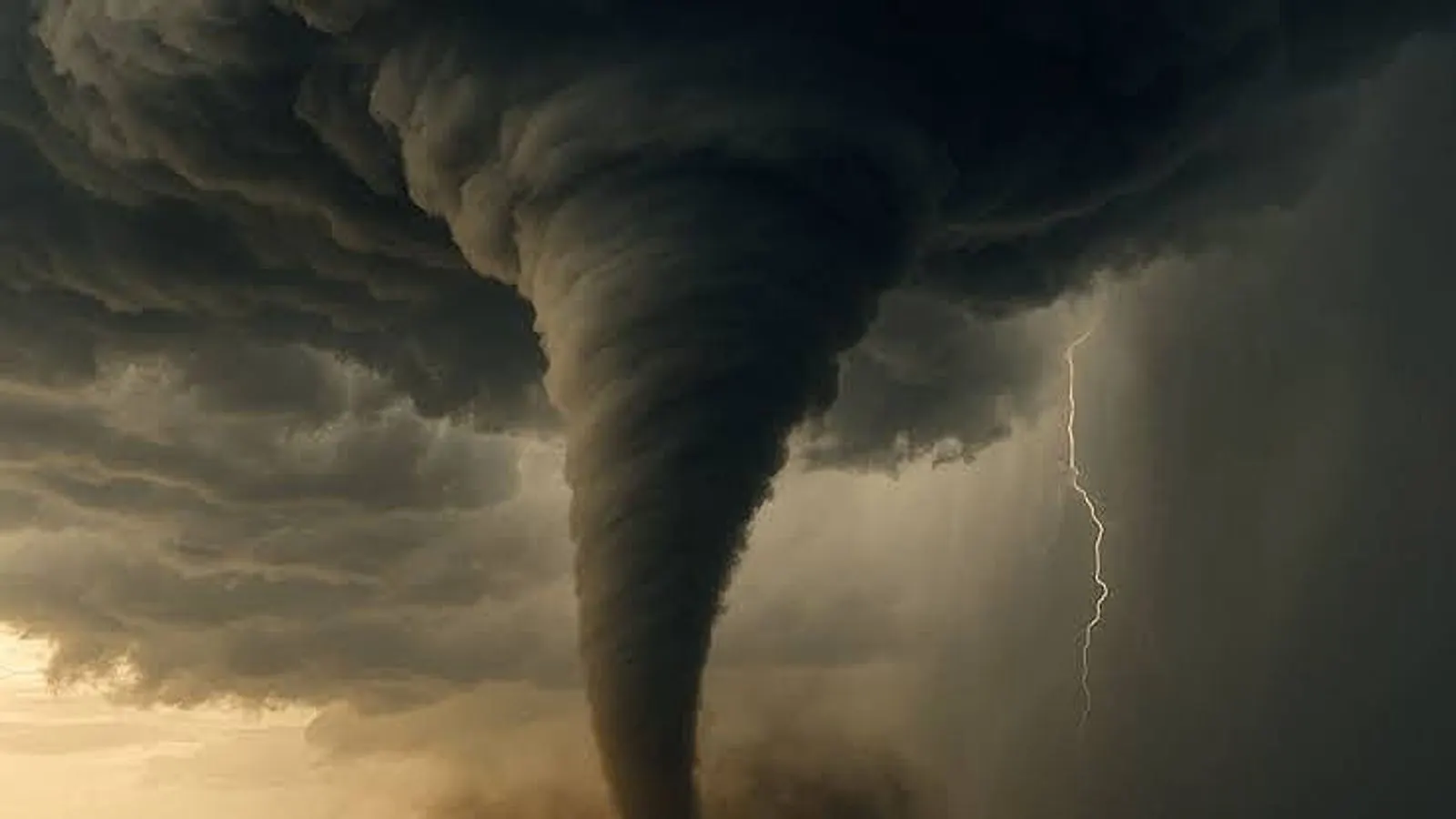
Scientific explanations detailing the formation and energy sources of tornadoes reveal remarkable atmospheric mechanisms capable of generating immense destructive power. These powerful weather events possess enough force to completely blow away residential houses, uproot large trees, and even lift heavy tube wells into the air. Understanding how these destructive storms develop requires looking closely at the thermodynamic processes occurring high within storm clouds.
The primary source of a tornado's incredible energy comes directly from the clouds above. The process begins when moisture-laden air becomes lightweight due to low atmospheric pressure and rises high into the atmosphere. As this warm, humid air ascends, it encounters colder temperatures at higher altitudes, causing the water vapor to condense and form dense clouds. This vital phase of transformation releases a massive amount of heat energy, which ultimately functions as kinetic energy to fuel the storm.
Extreme surface heat acts as a significant catalyst in accelerating this cycle. When the weather is exceptionally hot, surface air rapidly rushes upward, creating a temporary vacuum or void of empty space near the ground. To fill this sudden void, cooler air from the surrounding areas rushes inward toward the center at high speeds, generating the violent winds characteristic of these meteorological events.
Geographical factors also play a critical role in the timing and behavior of these storms. In the Earth's Northern Hemisphere, tornadoes typically occur between the months of March and August. During these active periods, the rotational movement of the winds inside the storms follows specific directional patterns determined by the Coriolis effect.
Specifically, the airflow within tornadoes created in the Northern Hemisphere rotates in a circular motion counter-clockwise relative to the movement of a clock's hands. Conversely, tornadoes that form in the Southern Hemisphere spin in the exact opposite direction, swirling in a clockwise rotation. These distinct rotational characteristics highlight the complex global atmospheric dynamics that govern tornadoes across different regions of the planet.