

The Life and Academic Career of Mathematician James Joseph Sylvester
James Joseph Sylvester achieved remarkable mathematical success in England despite facing institutional degree restrictions. His career included prestigious appointments at University College London and fellowship in the Royal Society.
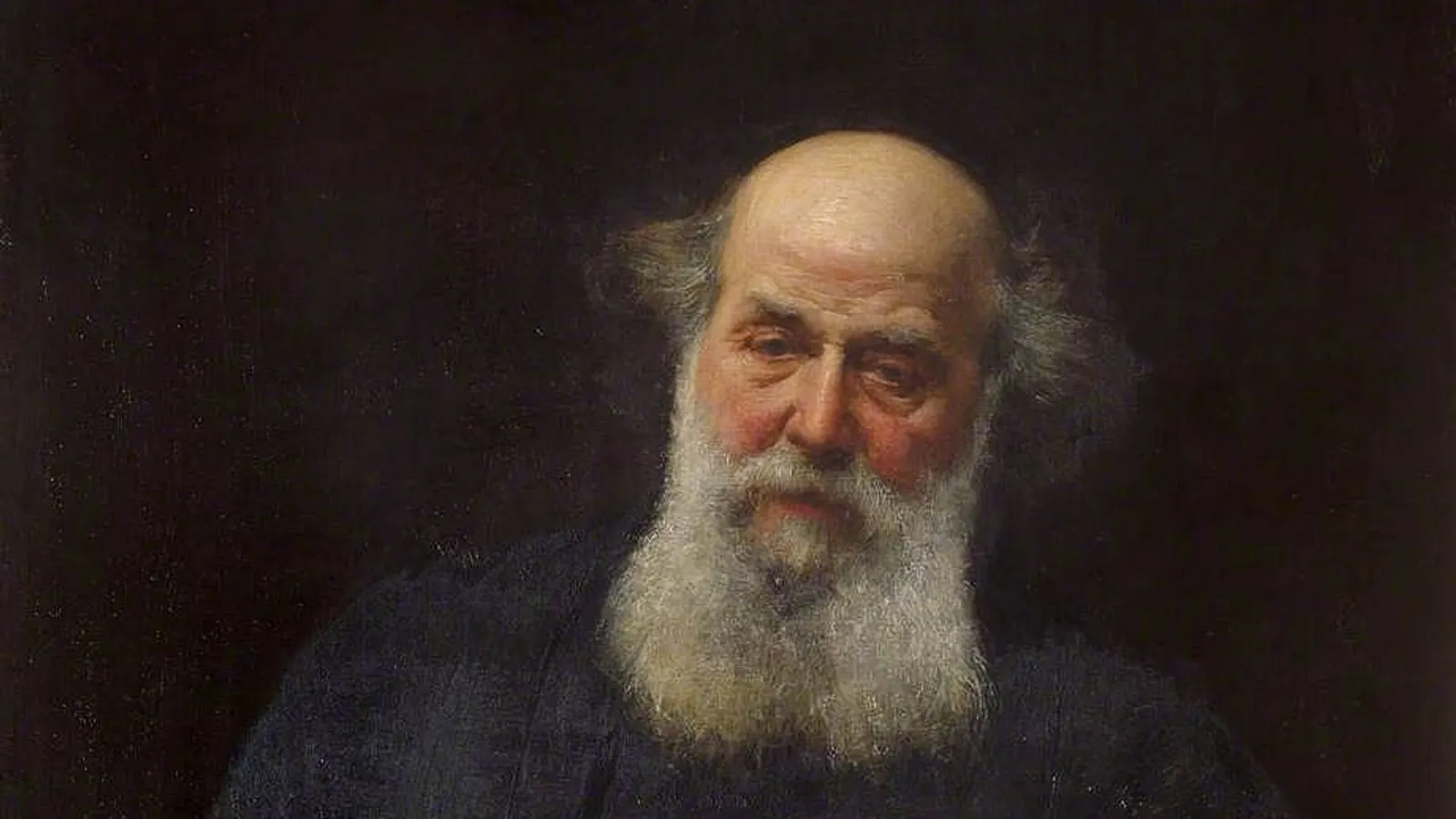
In the academic landscape of nineteenth-century England, the life and career of mathematician James Joseph Sylvester unfolded against a backdrop of both brilliant achievement and notable institutional barriers. During his studies at the University of Cambridge, Sylvester demonstrated exceptional mathematical prowess by securing the second-place position in the highly competitive Mathematical Tripos examinations.
Despite his academic success, Sylvester encountered significant hurdles regarding graduation. Because he declined to sign the Thirty-Nine Articles of the established Church, university authorities refused to grant him his earned degree, a common religious restriction of the era that prevented non-conforming scholars from formalizing their academic credentials in England.
Determining to advance his professional pursuits despite these obstacles, Sylvester secured a prominent academic position. In 1838, he officially joined University College London to serve as a professor of natural philosophy, where he contributed to the institution's growing academic reputation in the sciences.
Recognition of his significant contributions to the scientific community soon followed on a national scale. In the subsequent year, specifically in 1839, Sylvester was elected as a fellow of the Royal Society, cementing his status among the leading scientific minds of his time.
Ultimately, Sylvester also found a pathway to formal academic degrees outside of his initial institution. In 1841, he successfully obtained both his Bachelor of Arts and Master's degrees from Trinity College Dublin in Ireland, bypassing the earlier restrictions he had faced at Cambridge.