
Teacher and Principal Shortages Disrupt Schools in Dinajpur's Fulbari
A severe shortage of teachers and principals affects numerous educational institutions across Fulbari upazila in Dinajpur. Authorities report that dozens of positions remain vacant due to pending court cases, committee issues, and administrative delays.
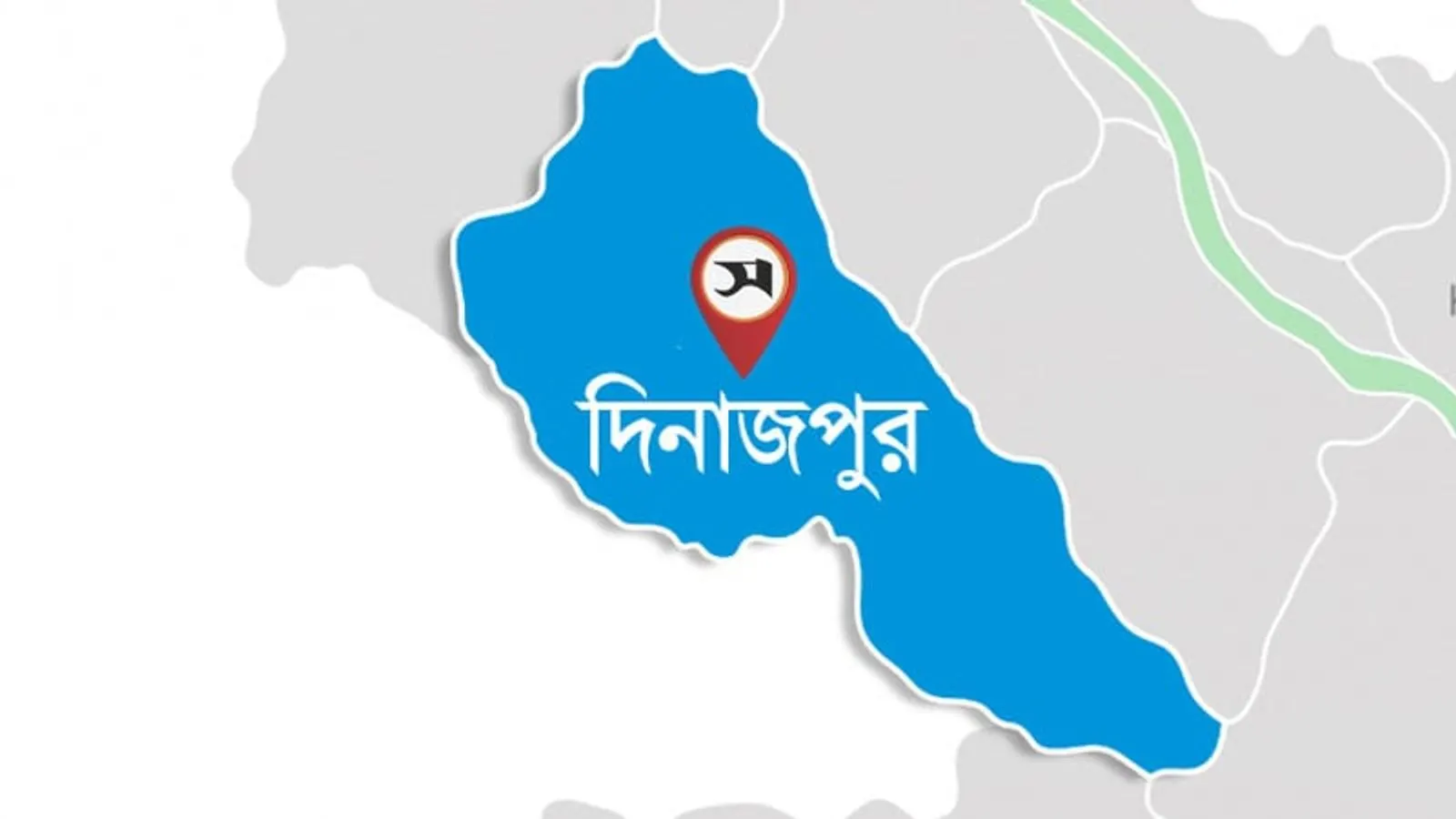
Educational institutions across the Fulbari upazila in Dinajpur are currently facing a profound crisis regarding a shortage of both regular teachers and principal positions. According to data released by the secondary and higher education office, this widespread issue impacts a significant portion of the region's academic network, touching levels from primary schools up to colleges, madrasas, and technical institutions.
Out of the total 184 educational institutions operating across various tiers within the upazila, an alarming 95 institutions are currently functioning without a permanent head teacher or principal. The primary school sector is particularly hard-hit, where 66 percent of government primary institutions are currently being operated by acting head teachers. Specifically, out of 109 government primary schools in the area, a staggering 72 lack permanent heads, while 80 out of these 109 schools also lack night guard-cum-office assistants.
The secondary and higher education data further reveals that among 75 lower secondary schools, secondary schools, school-and-colleges, standalone Ebtedayi madrasas, Dakhil madrasas, Fazil madrasas, and technical institutions, 23 are operating with acting heads in charge. A detailed breakdown shows that among five lower secondary schools, one lacks a head; among 31 secondary schools, 13 lack a head; among three school-and-colleges, one lacks a head; among five colleges, two lack a head; among nine Dakhil madrasas, two lack a head; and among nine technical institutions, four lack a head. Overall, across the approved positions, 1,361 teacher posts exist against which 1,062 teachers are currently employed, leaving a total of 299 positions vacant.
Addressing the underlying causes of these administrative gaps, Mohsin Ali explained that promotions of assistant teachers to head teacher roles have remained stalled for a prolonged period due to a pending case in the high court regarding these promotions. He noted that lists of vacant posts are being regularly sent to higher authorities, and expressed hope that the crisis will be quickly resolved once the recruitment and promotion processes are completed. Meanwhile, Mo. Saifuzzaman added that the matter regarding teacher recruitment may find a resolution within the upcoming month.
Raising concerns over the current state of affairs, Nazim Uddin Mondal stated that if the shortages of institution heads and teachers are not resolved promptly, the negative impact will inevitably fall upon the standard of education, administrative activities, and student instruction. Consequently, he emphasized that it is urgent to take initiatives to fill the vacant posts, resolve promotion complexities, and accelerate teacher recruitment.
Additional administrative hurdles compound the crisis in MPO-enrolled institutions. Abul Kalam Azad pointed out that these are MPO-enrolled institutions, and due to the absence of managing committees, requisitions for teacher recruitment cannot be submitted. Responding to this concern, Professor Elias Ahmed maintained that the committee formation process for MPO-enrolled institutions is ongoing, and the office approves them as soon as institutions communicate. He remarked that remaining idle will not yield results, noting that while passing through six or seven administrative desks may cause a slight delay, the committee formation work is actively moving forward.