Skin Cancer Trial Shows Promise for Preventing Recurrence and Spread
A new clinical approach involving vaccines and specific medications after surgery shows potential for keeping skin cancer patients cancer-free. Cancer experts have hailed the preliminary results as a significant breakthrough.
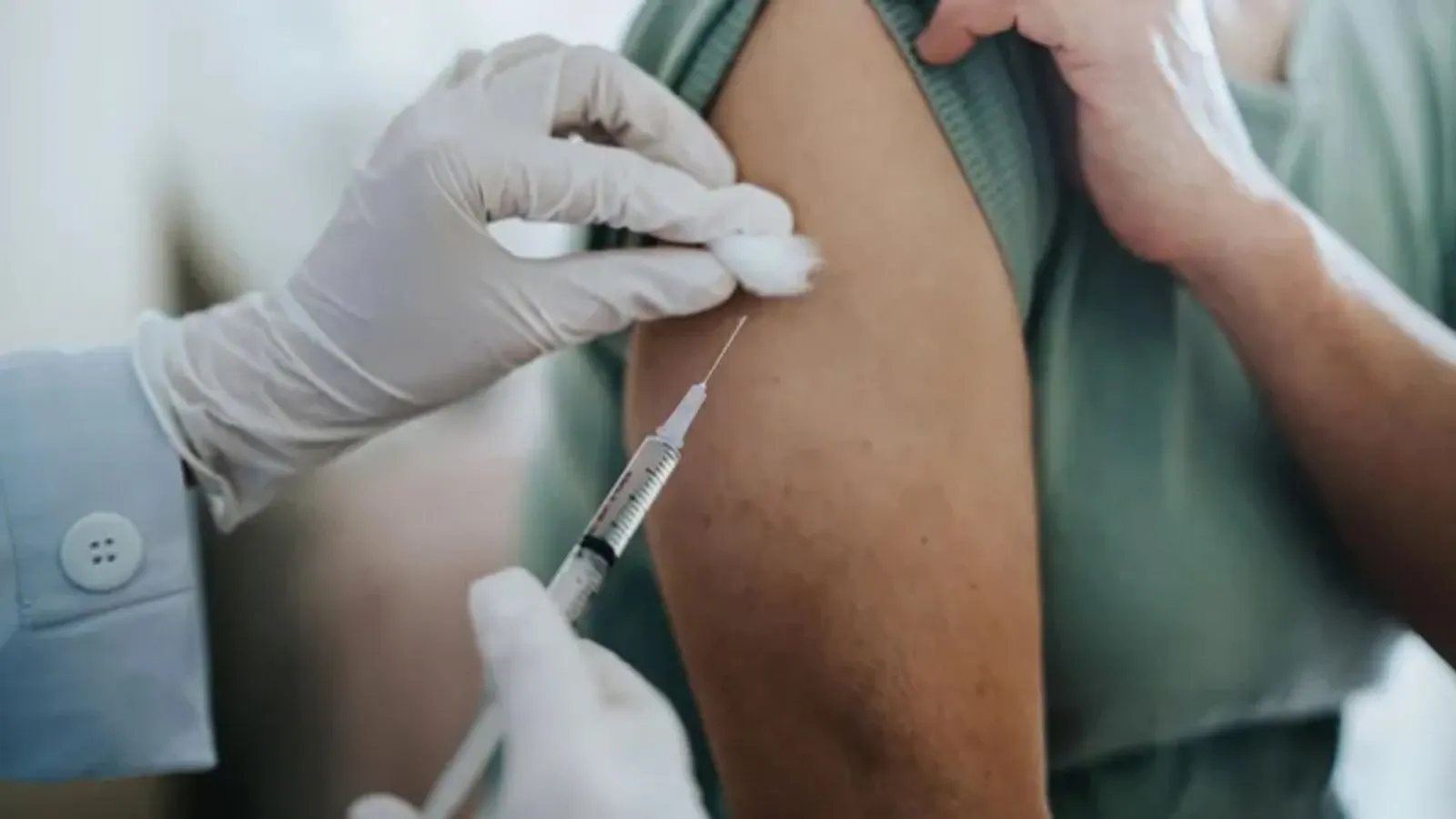
Medical researchers have reported a promising new development in the ongoing fight against skin cancer, focusing on post-surgical treatments designed to improve long-term patient outcomes. According to the findings, patients diagnosed with skin cancer underwent surgical procedures followed by the administration of specific medications combined with targeted vaccinations. This combined therapeutic approach represents a novel strategy in managing the disease after the initial removal of primary tumors.
The evaluation of this post-operative protocol yielded highly encouraging results regarding disease progression and patient remission. Clinical observations indicated that administering the specific medication alongside the vaccine helped maintain a cancer-free status for extended periods among the treated individuals. Furthermore, the combined treatment demonstrated a notable reduction in the likelihood of the disease advancing further within the patients' bodies.
Specifically, medical data from the observation period showed that the intervention successfully lowered the overall risk of the cancer spreading to other parts of the body. Metastasis, or the migration of malignant cells to secondary organs, remains one of the primary challenges in oncology and a major threat to patient survival. By curbing this propensity, the treatment addresses a critical vulnerability in skin cancer management.
In light of these findings, the medical community has responded with considerable optimism regarding the future of dermatological oncology. Leading cancer specialists and researchers who evaluated the data have described these initial outcomes as a major advancement in the field. While further research and broader clinical trials will be necessary to fully establish the long-term efficacy and safety of this protocol, the current progress offers renewed hope for patients facing skin cancer diagnoses.