

Selim Al Deen's Legacy in Bangladesh Post-Independence Theatre
An analytical review highlights the profound theatrical contributions, institutional legacy, and dramatic theories of playwright Selim Al Deen in Bangladesh. His foundational role in academia and renowned plays continue to shape the nation's post-independence theatre movement.
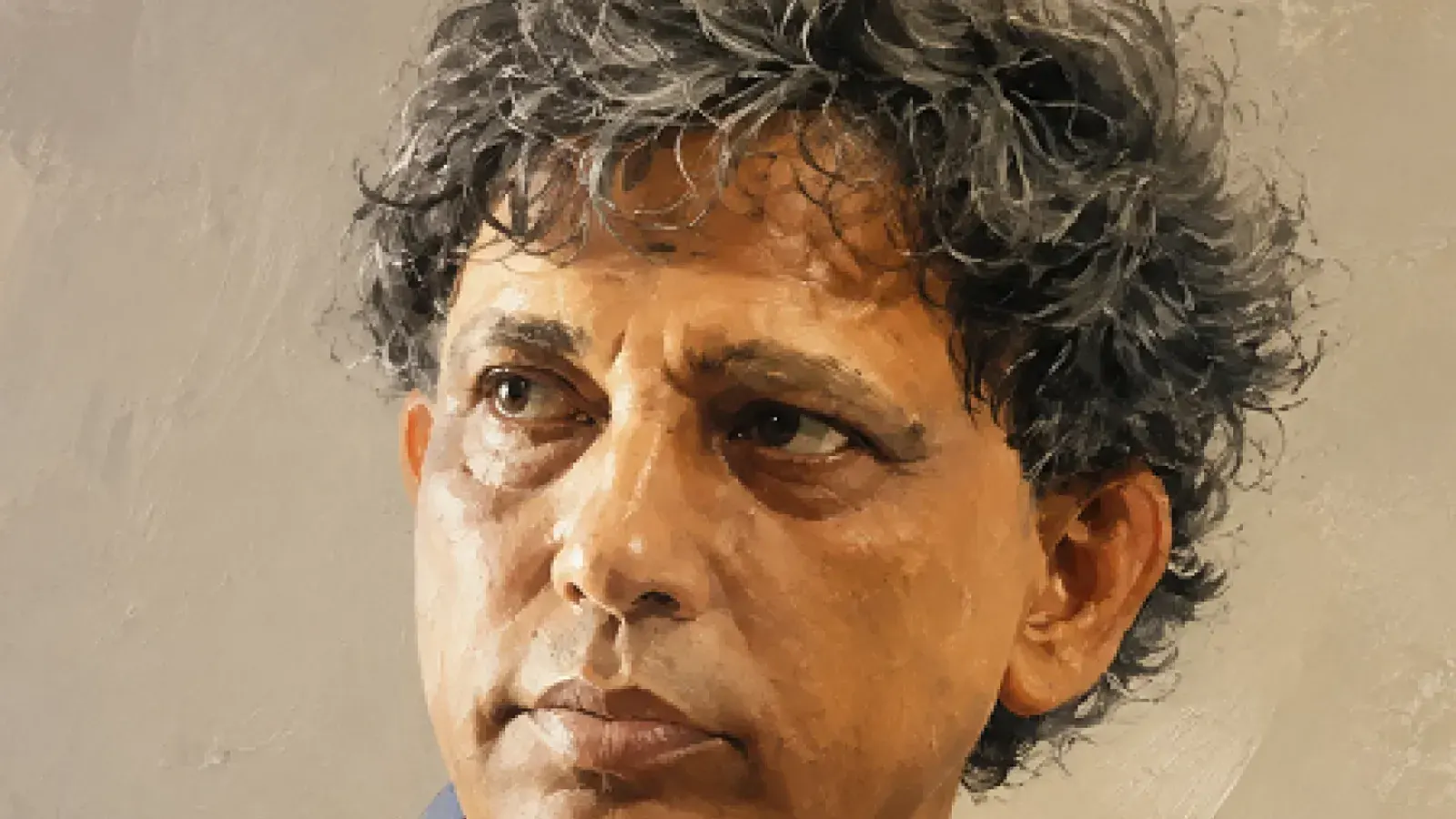
Selim Al Deen emerged as one of the principal figures of the post-independence theatre movement in Bangladesh, leaving an indelible mark on the country's cultural and dramatic landscape. His analytical contributions, theatrical theories, and enduring institutional legacy have been the subject of continuous critical review within the nation's artistic community. Operating in the vibrant yet complex socio-cultural environment of post-1971 Bangladesh, he helped redefine the scope and direction of indigenous storytelling and performance art.
A monumental aspect of his institutional legacy was the establishment of the Department of Drama and Dramatics at Jahangirnagar University. Through this pioneering academic initiative, he created a formal educational framework for aspiring playwrights, directors, and researchers in Bangladesh. By embedding theatrical studies within a university curriculum, he ensured that future generations could critically engage with the theory and practice of drama, bridging the gap between traditional folk forms and contemporary theatrical expression.
As a prolific playwright, his literary repertoire includes several landmark works that remain central to the study of Bangladeshi drama. Among his most notable and widely acclaimed plays are 'Kittonkhola', 'Chaka', and 'Nimojjon'. These theatrical pieces showcased his unique ability to weave complex human narratives with deep philosophical inquiries, reflecting the struggles, realities, and cultural heritage of the people of Bangladesh.
The impact of his dramatic works extends far beyond individual stage productions, contributing significantly to a broader national discourse on identity and aesthetics. His theoretical frameworks encouraged a departure from strictly Western-centric models of performance, urging practitioners to look inward toward native traditions, mythology, and linguistic richness. This perspective fostered a distinct theatrical voice that resonated deeply with audiences across Bangladesh.
Today, the theatrical contributions of Selim Al Deen continue to be celebrated and critically evaluated by scholars, students, and theatre activists alike. His vision for a robust, independent, and academically grounded dramatic tradition in Bangladesh remains a guiding force. As universities and cultural institutions reflect on his multifaceted career, his enduring influence persists in every corner of the country's vibrant post-independence theatrical movement.