Rizvi Defends Political Appointments During 180-Day Briefing
Addressing reporters at the Prime Minister's Office, BNP figure Rizvi defended political appointments by citing international practices in the United States and England. He emphasized that media scrutiny should focus on an appointee's university education, common sense, and overall capability.
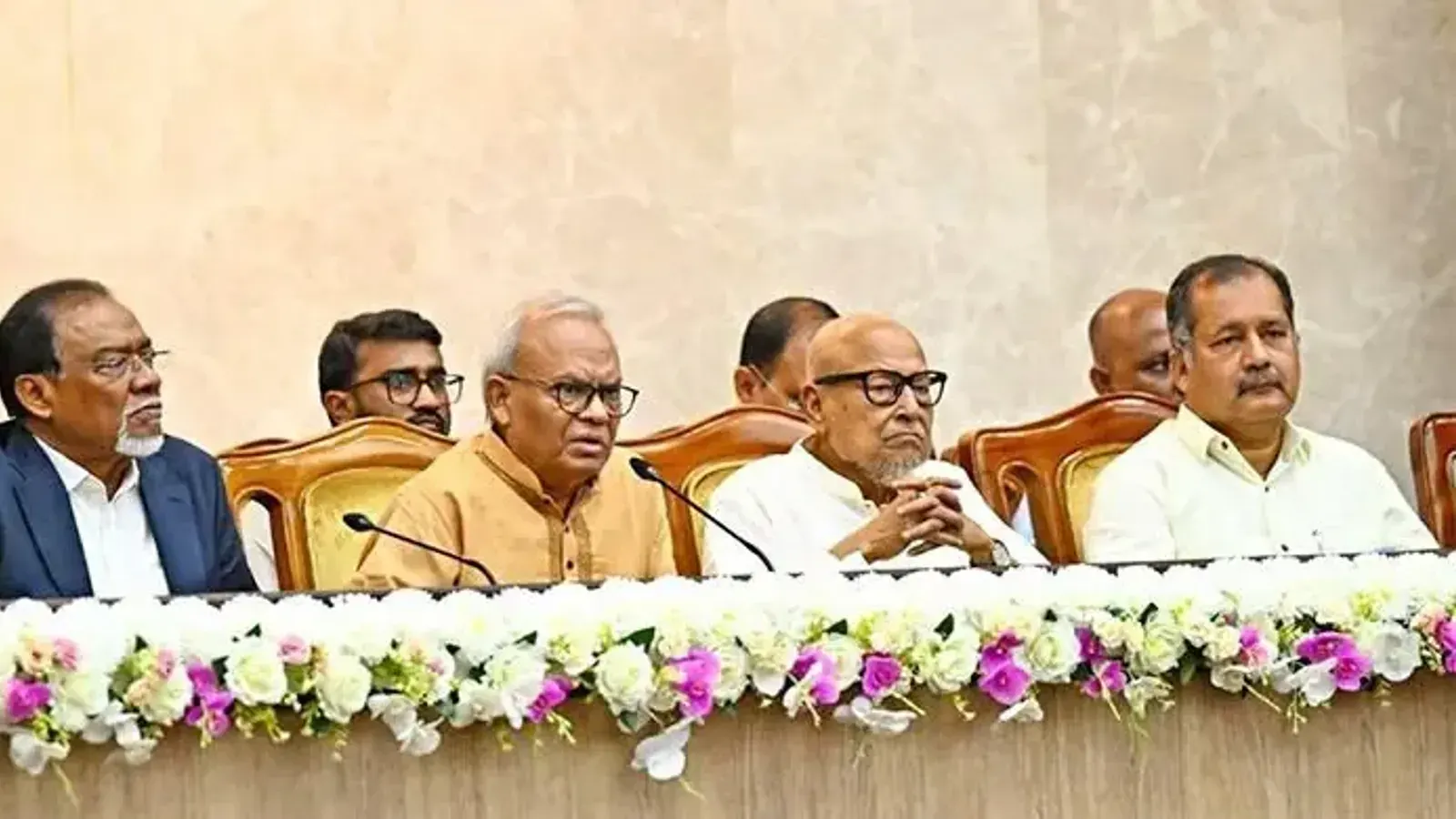
On Monday, August 17th, a press briefing was organized at the Prime Minister's Office to mark the 180th day of the BNP government's administration. During this official event held at the Prime Minister's Office, Rizvi addressed various questions and inquiries raised by journalists and members of the media.
Addressing the topic of governance and staffing, Rizvi offered a perspective on how administrative roles are filled across different democratic nations. He posed a direct question regarding international standards to the gathered press corps, asking which country in the world does not have partisan or political appointments within its administrative structure.
Elaborating on his point regarding international governance models, Rizvi specifically noted that in the United States, England, and many other European countries, political appointments are regularly made to various important positions of authority. He pointed out that this practice extends across a wide range of public offices, noting that systems in these nations even facilitate political appointments for numerous roles stretching from the position of police commissioner all the way to the postmaster general.
Shifting the focus to the responsibilities of the press and the criteria for public service, Rizvi stated that the primary matter for the mass media to observe and investigate is whether an individual receiving an appointment is genuinely qualified for that specific post. He added that media observers should specifically examine whether the appointee possesses the necessary university-level education and the essential qualifications required for the job.
Continuing his criteria for evaluating public appointees, Rizvi stressed the importance of determining whether the candidate has earned a degree from a good university or another reputable educational institution. Furthermore, he noted that evaluators must consider whether the individual possesses appropriate common sense and sound judgment, while stating that the most crucial factor of all is whether the person has the fundamental capacity to properly execute the duties of the responsibility they are receiving.