Rare Dark Bordered Beauty Moth Rediscovered at Wallington Estate After 70 Years
A rare population of the dark bordered beauty moth has been discovered at the National Trust's Wallington estate in Northumberland. The species had not been recorded at the location since 1952, marking a major milestone for conservationists.
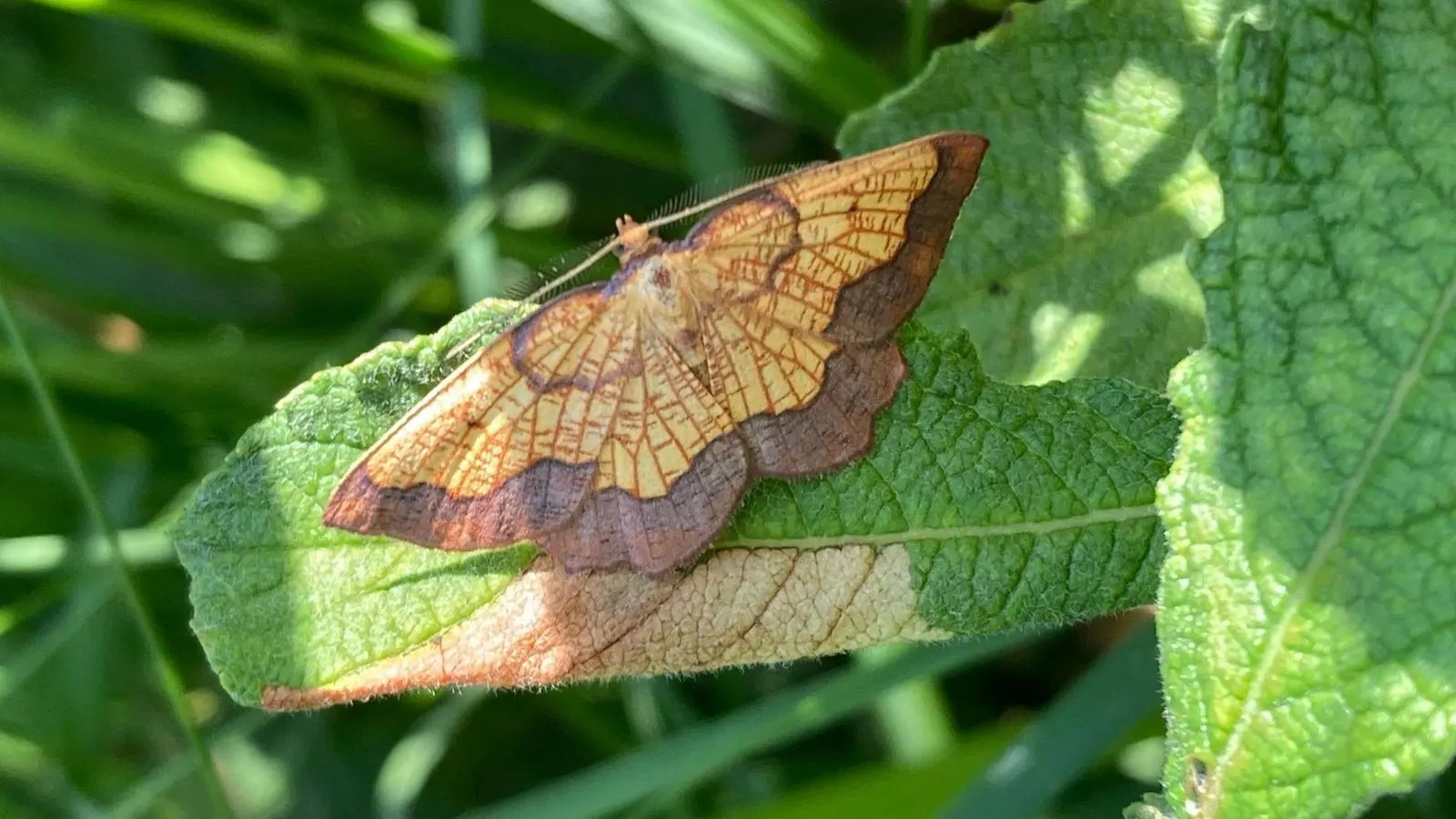
Conservationists have celebrated a major breakthrough in the protection of one of England's rarest insects following the rediscovery of a hidden population of the dark bordered beauty moth. The remarkable environmental finding occurred at the Wallington estate in Northumberland, England, marking the first time the species has been documented at the historic property in seven decades. According to the verified records, the rare moth had not been spotted at the Wallington estate since 1952, leaving a massive gap in the local ecological timeline and raising concerns about the insect's long-term survival in the region.
The Wallington estate, which is managed and run by the National Trust, provided the ideal unexpected backdrop for this significant entomological discovery. Prior to this exciting find at the Northumberland property, conservation efforts for the rare insect had faced severe limitations regarding its geographical distribution in England. For decades, the only known site where the dark bordered beauty moth could be found anywhere in England was restricted entirely to Strensall Common in Yorkshire, placing immense pressure on environmentalists trying to protect the vulnerable species from total localized extinction.
Dr Dave Wainwright, who serves as the head of conservation at the organization Butterfly Conservation, expressed profound emotion regarding the successful discovery of the new colony. Reflecting on the monumental significance of finding the insects thriving away from their solitary known stronghold in Yorkshire, Dr Dave Wainwright stated: "Overwhelmingly it was just a feeling of relief that we weren't just fighting the fight at one site anymore." This sentiment highlights the immense structural burden placed on conservationists who previously had to safeguard the entire English population of the species within a single habitat.
The survival of the dark bordered beauty moth relies heavily on specialized environmental conditions, specifically concerning its diet during its earlier life stages. Entomological data confirms that the caterpillars of this particular moth species have an exceptionally restricted diet, feeding exclusively on just two specific types of plants: aspen and creeping willow. The presence of these vital food sources at the Wallington estate undoubtedly played a crucial role in sustaining the hidden population over the decades without human detection.
Looking ahead, the unexpected rediscovery in Northumberland has ignited fresh optimism among wildlife experts concerning the potential existence of other unknown colonies. Sharing his long-term vision for the conservation project, Dr Dave Wainwright added: "The thing that's kept me going all these years is I always felt there was a chance of finding dark bordered beauty on the Northumberland/Cumbria border – now it feels like there could be other colonies out there waiting to be discovered which would be brilliant." Conservationists hope this breakthrough will prompt further surveys across the region to protect the fragile future of the rare moth.