
Rare Blossom-Headed Parakeet Observed in Bangladesh's Satchari National Park
The rare Blossom-headed Parakeet, scientifically known as Psittacula roseata, has been observed in Bangladesh. Detailed characteristics and breeding habits of this distinctive bird highlight its presence in the region.
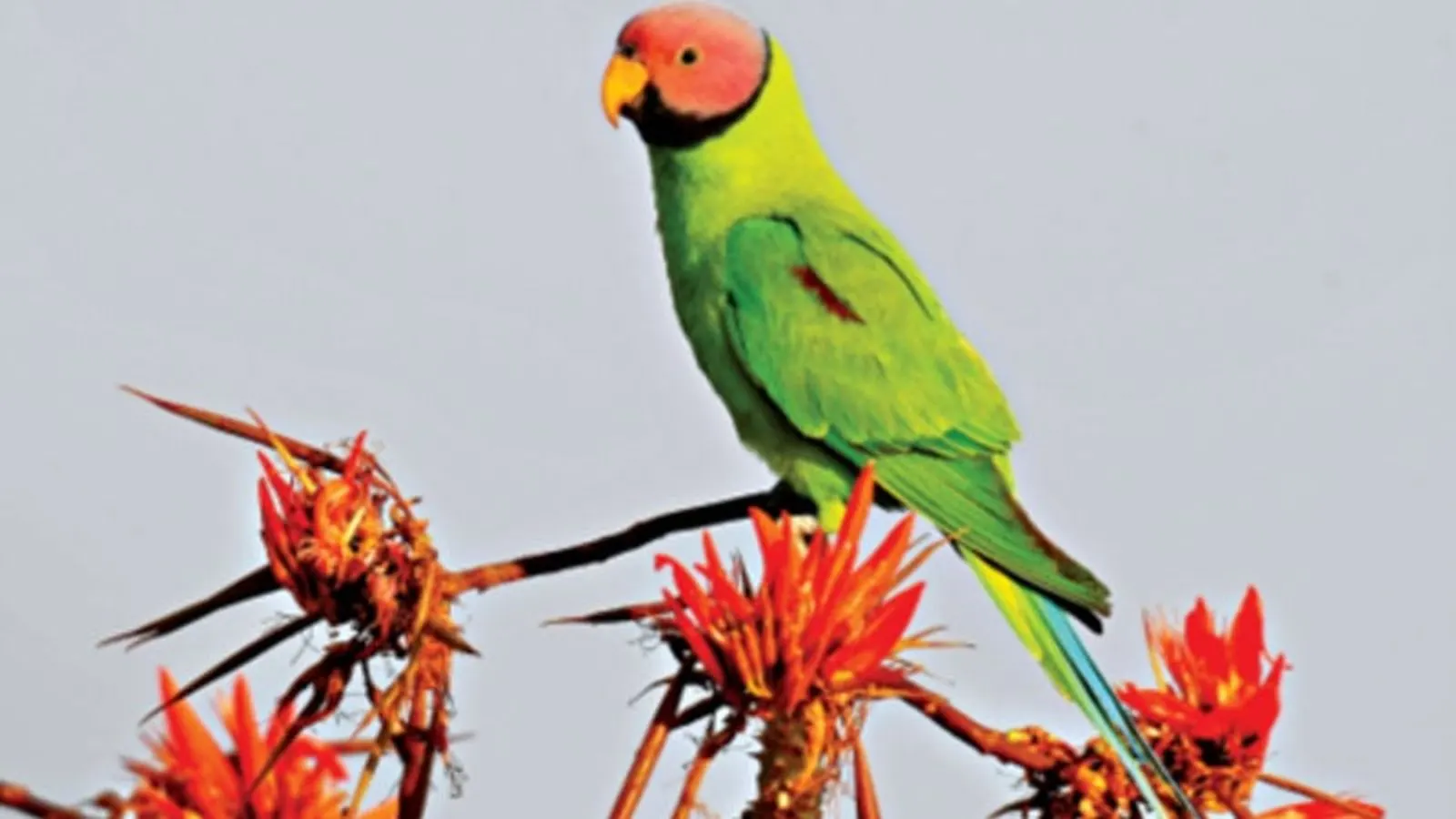
Wildlife observers and nature enthusiasts have documented the presence of the rare Blossom-headed Parakeet, known locally as the Phultusi (ফুলটুসী), within the lush landscapes of Satchari National Park, located in Chunarughat Upazila of Habiganj district. This remarkable avian species is scientifically classified under the binomial nomenclature Psittacula roseata (সিটাকুলা রোসিয়েটা). Beyond its primary recognized moniker, the bird is also known regionally by several alternative common names, including Fariadi, Twi, Koiridi Tia, and Phulmatha Tia, reflecting its diverse cultural nomenclature across different communities.
In terms of physical dimensions, an adult Blossom-headed Parakeet typically measures between 30 and 36 centimeters in total body length from the tip of the beak to the tail feathers. When it comes to body mass, these adult birds generally weigh approximately 80 to 85 grams. These specific biometric measurements define the standard physical profile of the species as observed within its natural habitats in Bangladesh and surrounding regions.
The geographical distribution of the Blossom-headed Parakeet extends well beyond the borders of Bangladesh. Ornithological records confirm that the species is widely distributed across various countries in both South Asia and Southeast Asia, with a documented presence that includes China alongside other nations in the broader geographical expanse of these Asian sub-regions.
Regarding the reproductive cycle of the Blossom-headed Parakeet, the breeding season spans from the month of January through April. During this annual reproductive period, the female of the species typically lays a clutch consisting of four to five white-colored eggs. Once the eggs are successfully laid, the incubation period requires approximately 22 to 24 days for the chicks to hatch from the shell.
Following hatching, the development of the young parakeets progresses steadily until they reach the milestone of flight. The newly hatched chicks generally learn how to fly and take their first aerial journeys when they are between 42 and 50 days old. In terms of longevity, the natural lifespan of these birds typically ranges from 7 to 8 years under standard conditions, though individuals kept in captivity have been documented to survive for an extended period of 15 to 20 years.