Rajshahi University probe report on corruption and July uprising delayed
A fact-finding committee formed to investigate corruption at Rajshahi University since 2009 and July 2024 uprising abuses has failed to submit its report after 16 months. Administrative changes, academic duties, and legal complexities have caused significant delays, sparking concern among teachers and students.
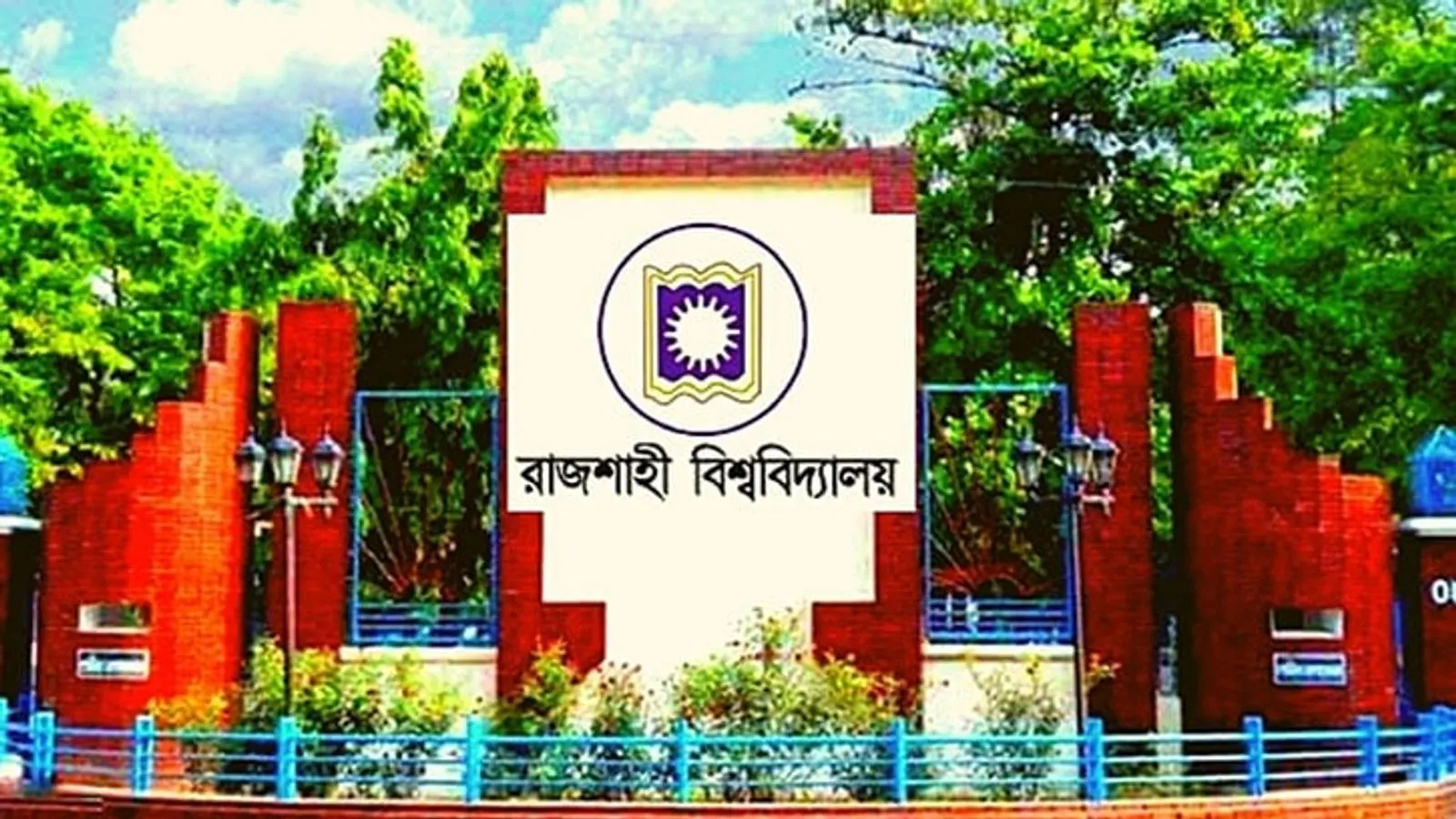
At Rajshahi University in Bangladesh, a fact-finding committee formed to investigate widespread allegations of corruption and irregularities dating back to 2009, alongside harassment and torture during the July 2024 student uprising, has failed to submit its final report even after 16 months of operation. The 16-member investigative body was officially established during the 538th meeting of the university syndicate held on April 15 of last year. In the course of its operations, the committee gathered information regarding seven specific issues and subsequently formed five sub-committees to handle the massive volume of allegations. These sub-committees catalogued numerous specific grievances, including 12 complaints related to anti-revolution stances, 32 concerning academic irregularities, four involving hall-related corruption, 12 regarding sexual harassment, torture, and general abuse, and nine focused on financial irregularities.
Despite the formation of multiple sub-committees and the collection of extensive data, the investigation has faced profound administrative bottlenecks. Professor Aminul Islam, speaking on the progress of the inquiry, noted that although the panel successfully gathered various information, subsequent initiatives from the administration stalled, leaving the report in a semi-finished state. According to Professor Islam, the realization of a complete report heavily depends on renewed administrative drive, especially since previous findings revealed quite alarming scenarios that could be systematically compiled if the current vice-chancellor chooses to push the initiative forward. Meanwhile, Professor Khondkar Md. Mozaffar Hossain stated that the work remains temporarily suspended, noting that the sub-committee still needs to hold a couple more meetings and consult with the university administration before deciding whether to proceed further under the new leadership.
Administrative transitions have played a major role in the prolonged stagnation of the investigative process. Professor Mohammad Belal Hossain explained that the composition of the original committee changed following the arrival of the new administration, which resulted in the suspension of prior activities. Although the syndicate recently formed a fresh committee that includes Professor Hossain himself, he noted uncertainty surrounding the current status of the active sub-committees. Addressing the restructuring of the panels, Professor Faridul Islam pointed out that because previous administrations included two former pro-vice-chancellors who are no longer in office, committee reorganization became necessary. Professor Islam expressed hope that once the restructuring is fully finalized, the panels will resume their operations and successfully publish the long-awaited reports.
The extended delay has drawn sharp criticism and frustration from university stakeholders, including student representatives. Mostakur Rahman Zahid voiced deep disappointment over the 16-month delay, emphasizing that dragging out an investigation into fascism-era irregularities and July uprising atrocities is entirely unacceptable and casts serious doubt on transparency and accountability. Zahid stressed that if the allegations are proven true, the responsible individuals must face punitive action, whereas groundless claims should be formally cleared to protect the interests of the teachers and students. An anonymous university teacher echoed these sentiments, describing the prolonged silence as highly abnormal for an inquiry meant to deliver a neutral accounting of historical corruption and critical human rights abuses.
While some committee members defended the setbacks by citing competing academic obligations, examination duties, and result publications, others faced direct questions regarding accountability. When asked about the 16-month timeframe, Professor Abdul Alim remarked that he was not originally part of the panel and therefore could not provide an explanation for why the process took so long. As the university community awaits decisive action from the administration, pressure continues to mount on the newly configured committee to expedite its proceedings, clear the backlog of grievances, and finally make its comprehensive findings public.