Prime Minister Tarique Rahman Marks First 180 Days in Dhaka
The government of Prime Minister Tarique Rahman has reached its 180-day milestone in Dhaka, implementing a series of economic and legislative measures. Key initiatives include agricultural debt waivers, family card assistance, and a massive national budget.
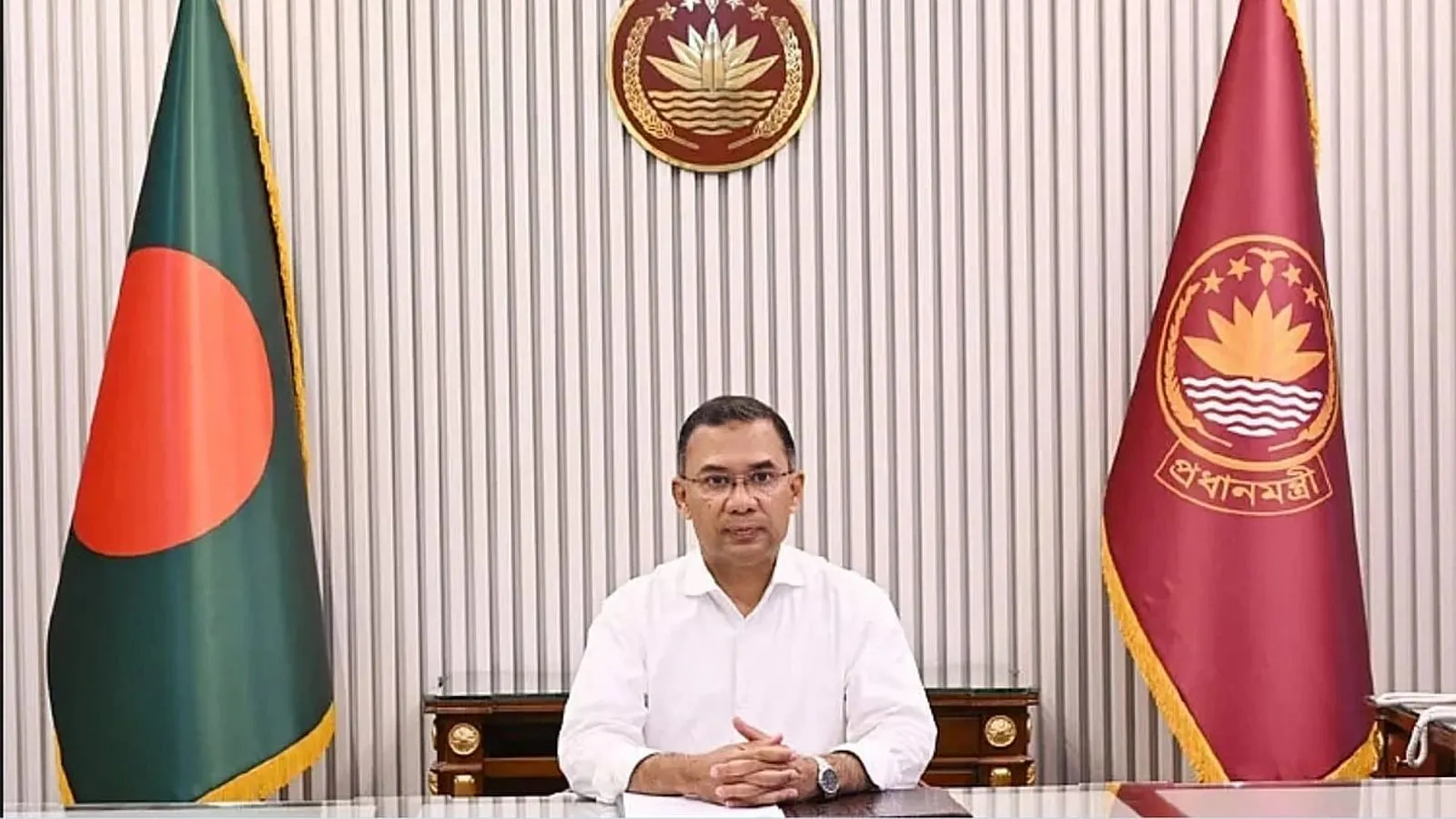
Prime Minister Tarique Rahman's administration in Dhaka, Bangladesh, has officially reached its first 180 days in office on February 18, 2026. During this initial period, the government has navigated significant global economic fluctuations while rolling out several domestic policy decisions, administrative reforms, and financial relief packages aimed at supporting vulnerable populations across the country.
Among the notable economic challenges faced during this timeframe were sharp increases in international commodity markets. Records indicate that the global price of diesel stood at approximately 86 US dollars per barrel in February, but surged dramatically to reach nearly 285 US dollars per barrel by April. Despite these massive global cost pressures, the administration maintained stable domestic fuel prices, keeping diesel, kerosene, octane, and petrol prices unchanged through August.
In a gesture of administrative leadership and austerity, Prime Minister Tarique Rahman made the decision to contribute 10 percent of his primary monthly salary back into the state treasury. Alongside this personal measure, the government has pursued extensive legislative business, taking initiatives through the initial parliament to address and dispose of a total of 133 ordinances.
Social welfare and agricultural support have formed a cornerstone of the administration's early governance. Thousands of families are currently receiving financial assistance on a pilot basis through 'family card' distribution, providing monthly support of 2,500 taka. Furthermore, the government has undertaken major relief efforts for the agricultural sector, initiating the complete waiver of agricultural loans and associated interest for nearly 1.2 million small and marginal farmers.
Looking toward broader national economic planning, the administration has formulated the national budget for the 2026-27 fiscal year, amounting to a staggering 9 trillion 388 billion taka (9 lakh 38 thousand crore taka). Within this comprehensive financial blueprint, the government has established specific macroeconomic targets, aiming for a gross domestic product growth rate of 6.5 percent while simultaneously targeting an inflation rate of 7.5 percent.