

Personalised mRNA Cancer Vaccines Studied for Future Treatment
Personalised mRNA cancer vaccines are currently being studied as potential treatments for individuals diagnosed with cancer. However, experts note that Bangladesh lacks the necessary research facilities and systems.
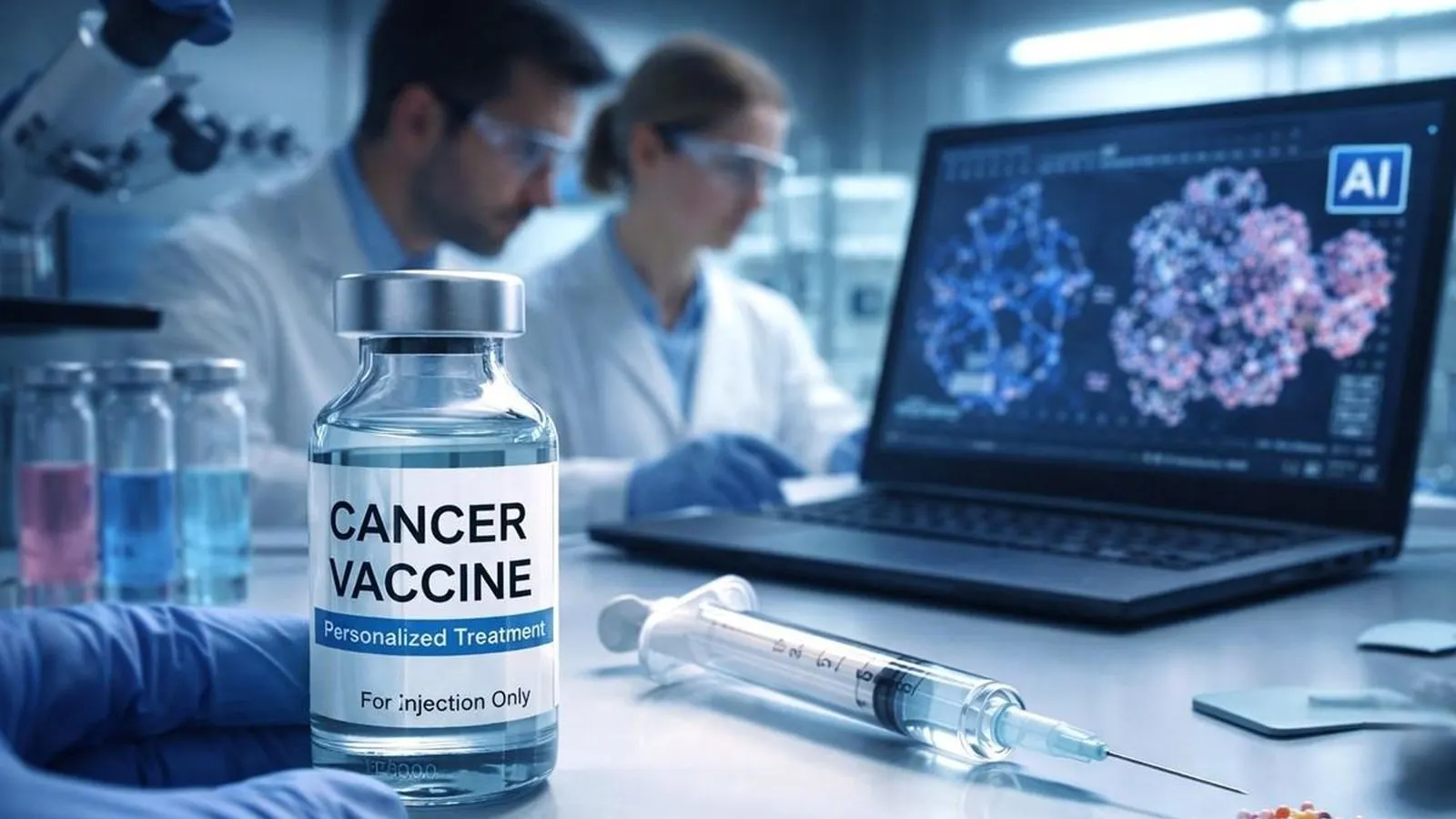
Personalised mRNA cancer vaccines are currently being studied as potential treatments for individuals diagnosed with cancer, marking an important area of ongoing medical investigation. These specialised therapies aim to target specific characteristics of a patient's tumour, offering a tailored approach to managing the disease. As the global scientific community continues to explore the potential of mRNA technology beyond infectious diseases, the development of these custom cancer treatments remains a significant focus of modern biomedical research.
Despite the growing global interest in personalised mRNA therapeutics, significant hurdles remain regarding their widespread implementation and accessibility. According to reports, Bangladesh does not yet possess the advanced research facilities and complex supporting systems that are required to manufacture and distribute personalised cancer treatments on a broad scale. Establishing the necessary infrastructure demands substantial investment in specialized laboratory equipment, specialized training, and regulatory frameworks tailored to advanced biological products.
The broader scientific implications of these developments have drawn commentary from academics and researchers operating across international institutions. Among them is Dr Sabiruddin Mirza, who serves as a senior research fellow at Harvard University. Dr Mirza's perspective contributes to the global dialogue surrounding the feasibility, challenges, and future clinical applications of integrating cutting-edge genetic therapies into existing oncology care paradigms worldwide.
At the same time, academic discussions surrounding these medical advancements extend to regional educational and research institutions actively monitoring the field. Yeelma Ambreen, a graduate Teaching Assistant at BRAC University, is among the academic figures noting the trajectory of these scientific inquiries. The involvement of educators and researchers at institutions like BRAC University highlights the localized academic interest in understanding how global biotechnological breakthroughs might eventually impact developing healthcare landscapes.
Looking ahead, the journey from experimental laboratory studies to widely available clinical interventions involves overcoming substantial technical and infrastructural hurdles. While international research continues to push the boundaries of what personalised mRNA cancer vaccines can achieve, nations like Bangladesh must first build the foundational capacity required to support such advanced medical technologies. Until those systemic and infrastructural gaps are adequately bridged, the widespread local application of these promising treatments will remain out of reach.