
Online Harassment and Systemic Exclusion Facing Women in Bangladesh
A recent analysis of social media posts reveals widespread verbal abuse and character attacks targeting prominent women following the July 2024 uprising in Bangladesh. Meanwhile, data from the Inter-Parliamentary Union highlights broader regional online violence and ongoing political underrepresentation.
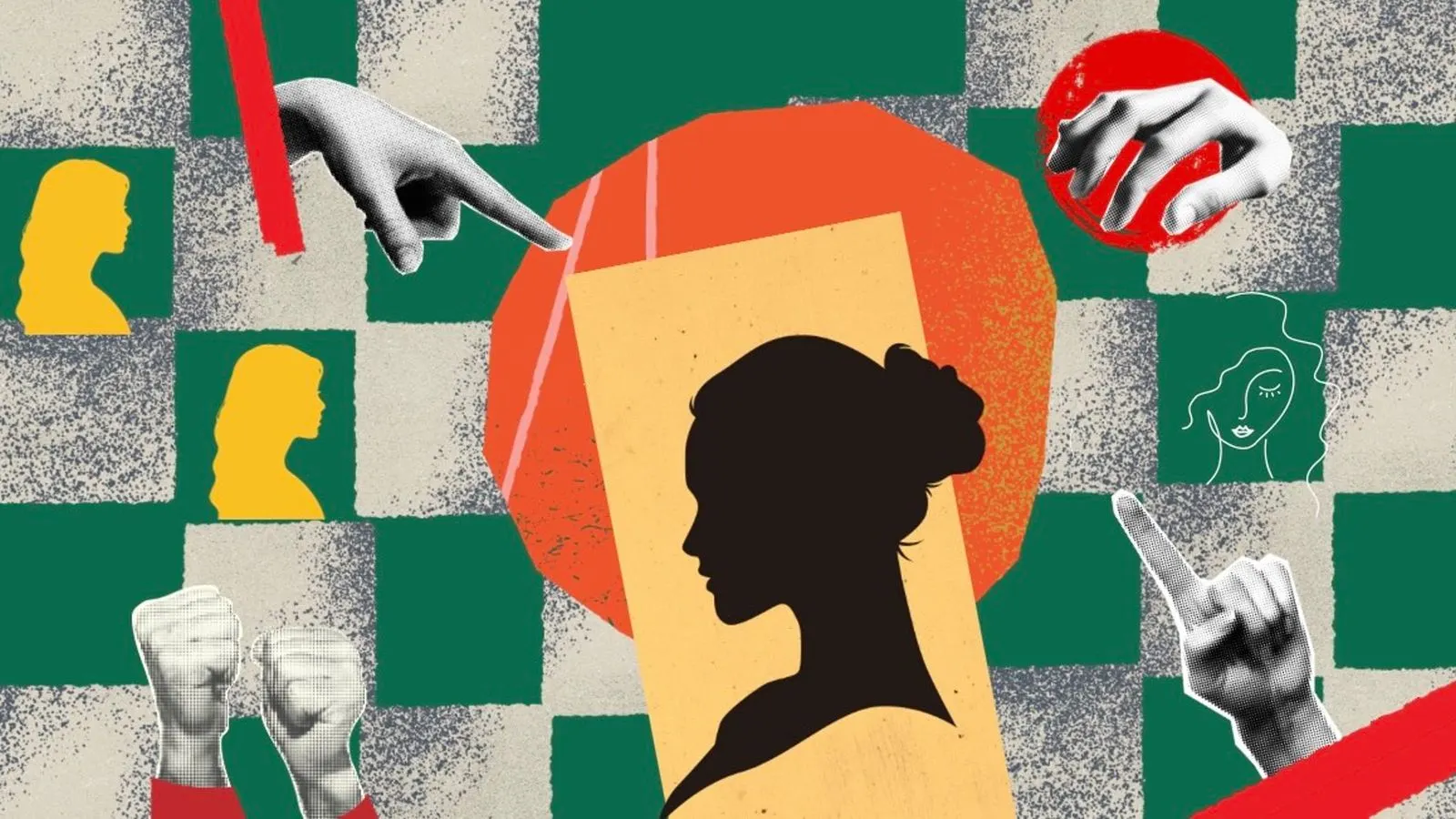
An analysis conducted by The Daily Star has revealed significant online harassment directed against prominent figures following the July 2024 uprising in Bangladesh and protests in India. Researchers examined 139 public social media posts specifically targeting 15 prominent women who participated in the July uprising. The findings from this investigation show that nearly two out of three examined posts contained verbal abuse of a sexual tone or targeted attacks on the personal character of these women.
The hostility faced by these individuals often extended across multiple political factions and groups. According to the data, 12 of the 15 prominent women analyzed faced simultaneous verbal attacks coming from two or more rival camps at once. The various political organizations and entities mentioned within the context of these ongoing socio-political dynamics in Bangladesh include the Awami League, Jamaat-e-Islami, Chhatra Shibir, BNP, and the Cockroach Janta Party (CJP).
This digital hostility mirrors broader regional trends concerning the safety and participation of women in public life. A comprehensive 2025 study conducted by the Inter-Parliamentary Union, which interviewed 150 women lawmakers and parliamentary staff members across 33 countries, documented widespread digital abuse. The study revealed that 60 percent of respondents hailing specifically from the Asia-Pacific region had encountered online hate speech, disinformation, image-based abuse, or the unauthorized release of their personal information.
In addition to online harassment, women in Bangladesh continue to face systemic exclusion from institutional governance and policy-making structures. This institutional marginalization is underscored by the composition of the nation's key administrative bodies. Specifically, across 10 reform commissions in Bangladesh—excluding the Women's Reform Commission—there were a total of 97 members, of whom only 15 were women, and not a single one of these commissions was chaired by a woman.
Further compounding these structural barriers are the political provisions outlined in the July National Charter. Under the terms of this charter, only 5 percent of parliamentary seats have been pledged specifically for women candidates. These figures illustrate the ongoing challenges regarding gender representation and safety in public discourse, as highlighted by individuals such as Aliza Rahman, Jannatul Naym Pieal, Rhiya Ahir, and Neha Bora, alongside statements and reports involving international bodies like UN Women and technology platforms such as Meta.