Nepal's Disaster Management: Lessons From the 2015 Earthquake
A major 7.8 magnitude earthquake struck Nepal on April 25, 2015, resulting in massive casualties and a coordinated international response. UN coordination systems facilitated the registration of dozens of foreign search and rescue teams during the crisis.
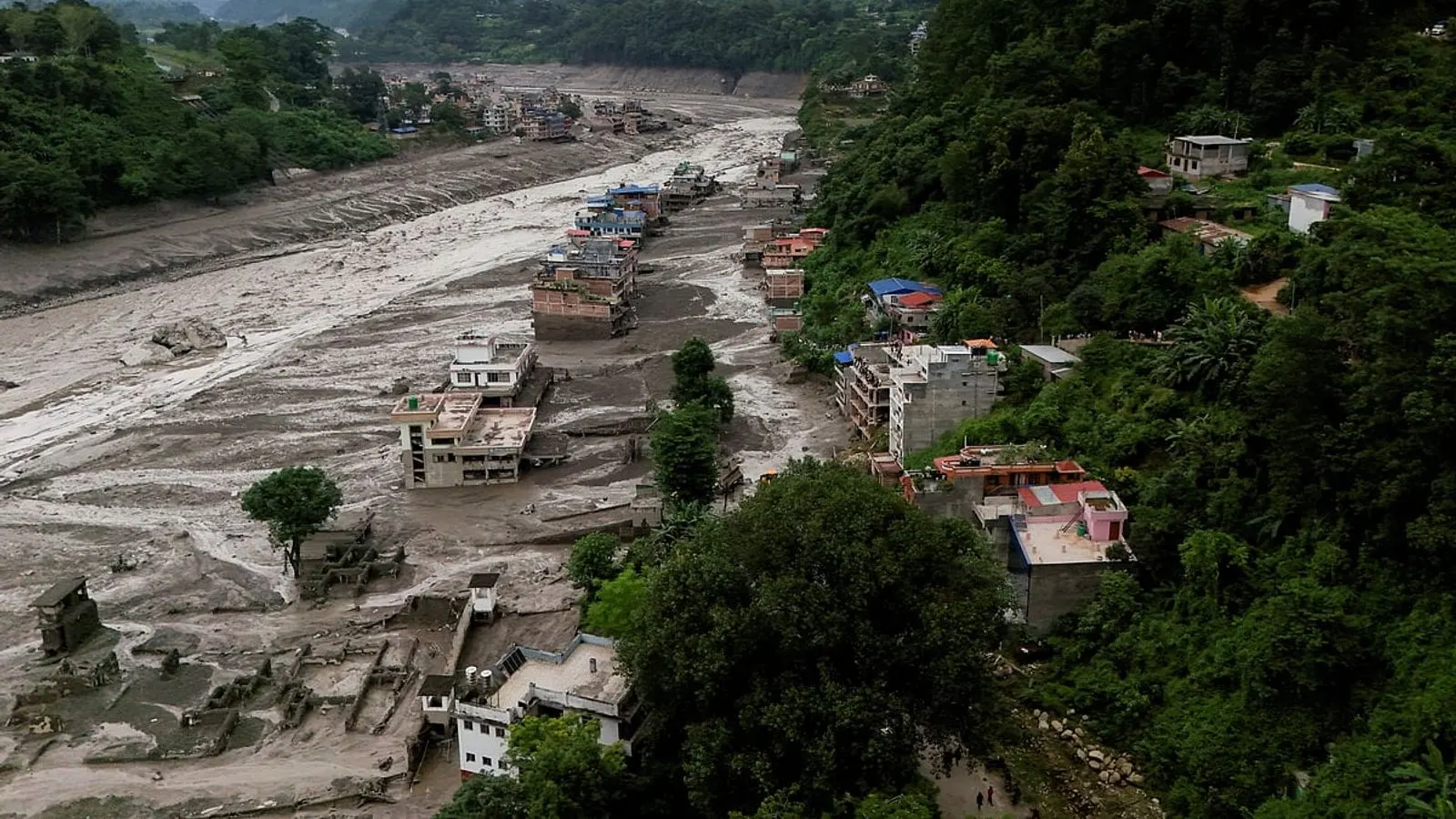
On April 25, 2015, a severe earthquake with a magnitude of 7.8 struck Nepal, triggering widespread devastation, landslides, and flash floods that deeply impacted the nation. The catastrophic natural disaster resulted in approximately 9,000 fatalities and left more than 21,000 people injured, severely testing the country's emergency response capabilities and infrastructure.
In the immediate aftermath of the 2015 disaster, the international community mobilized extensive support through the United Nations coordination systems. International Urban Search and Rescue teams from 31 different countries rapidly deployed to the affected region to assist local authorities with critical life-saving operations.
Data regarding the international deployment shows that a total of 76 international Urban Search and Rescue teams registered in Nepal through the established United Nations coordination systems. These incoming global delegations comprised approximately 1,872 specialized international rescue workers alongside 118 search dogs to aid in locating survivors trapped beneath the rubble.
As the emergency response progressed, the operational landscape shifted rapidly on the ground. Specifically, the Nepal government formally requested that new foreign Urban Search and Rescue teams refrain from traveling to the country starting on April 27, 2015, as local and international responders saturated the disaster zones.
The intense international search and rescue phase eventually concluded a week later on May 3, 2015. The historical lessons learned from managing the aftermath of the 2015 earthquake, alongside subsequent events such as landslides and flash floods in areas like Nuakot, Dhaghat, and Trishuli Bazaar, continue to inform ongoing disaster management strategies in Nepal.