

Nepal Flash Floods And Alarm Raised Over Rapid Himalayan Glacier Melting
Flash floods in Nepal have claimed over five hundred lives following recent disasters. Meanwhile, new research reveals catastrophic melting and ice loss in the Hindu Kush Himalayan region due to climate change.
বিজ্ঞাপন

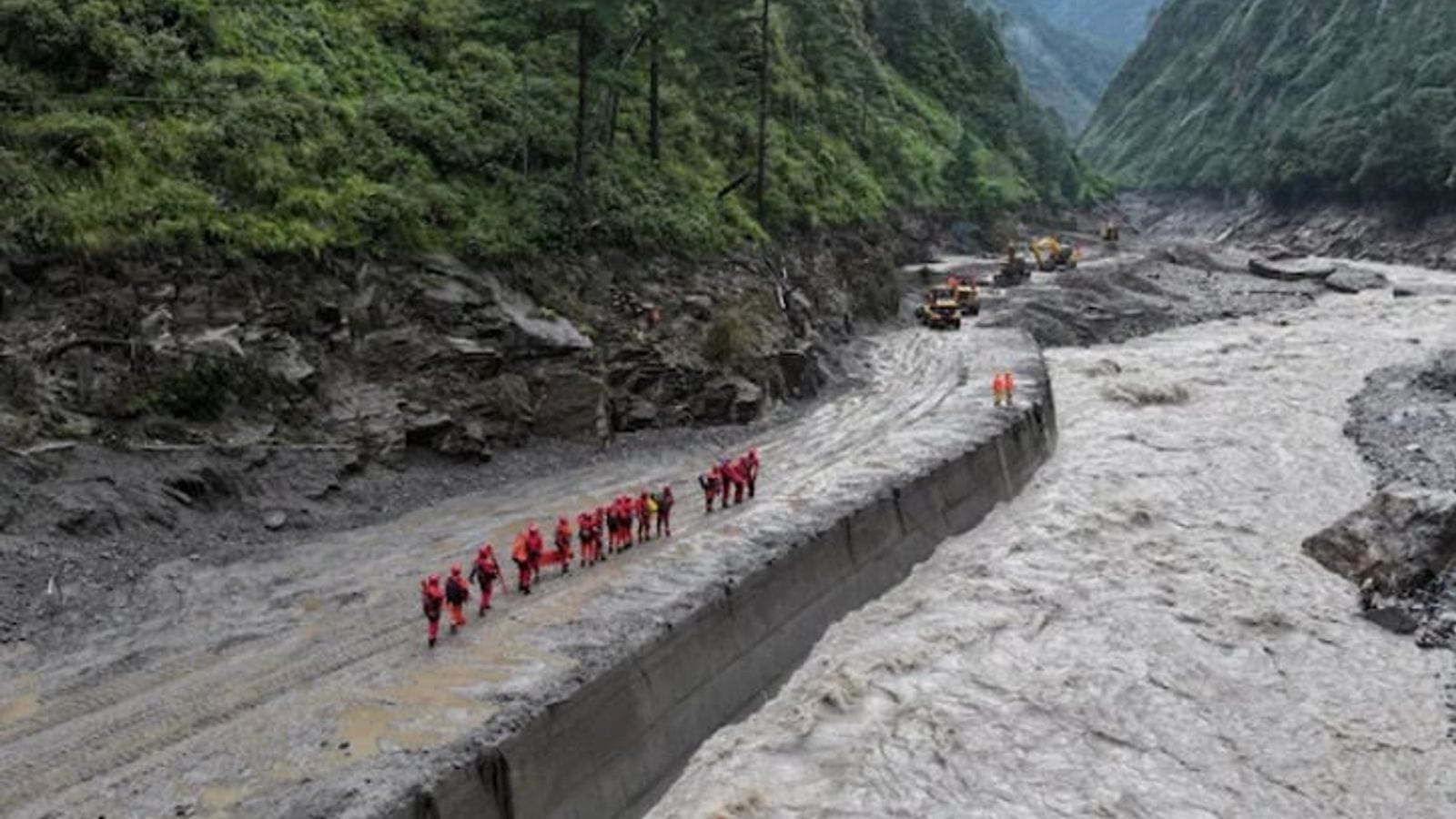
A staggering crisis is unfolding in Nepal and the broader Hindu Kush Himalayan region, marked by deadly weather events and alarming scientific disclosures regarding rapid glacier melting and climate change. According to reports from NDTV and RisingBD, a devastating flash flood struck Nepal on Wednesday, resulting in the tragic loss of more than five hundred lives.
This catastrophe coincides with the release of significant research reports concerning the cryosphere of the Himalayas, published by the International Centre for Integrated Mountain Development, also known as ICIMOD. The findings present a grim picture of environmental degradation occurring at elevations of four thousand meters or higher across the region.
The research documents severe changes to the region's ice reserves over recent decades. Data compiled by organizations including the Wadia Institute of Himalayan Geology and the World Glacier Monitoring Service highlights that since 1975, the thickness of Himalayan glacier ice has decreased by up to 27 meters.
Further compounding these concerns, ICIMOD's two reports—including the document titled 'HKH Glacier Outlook 2026'—reveal that between 1990 and 2020, the Himalayas-Karakoram glaciers lost approximately 12 percent of their total volume and about 9 percent of their estimated ice reserves. The reports also emphasize that glacier ablation has doubled since the year 2000.
The scientific assessments warn of even greater long-term environmental consequences for the region. ICIMOD explicitly cautions that certain parts of the Himalayan cryosphere could approach a critical tipping point towards irreversible retreat, posing severe implications for the roughly two billion people living in the downstream areas.
Source: রাইজিংবিডি
বিজ্ঞাপন