
Most Bangladesh PSC Chairs Fail to Complete Full Terms Since Independence
Data reveals that only four out of eighteen Bangladesh Public Service Commission chairmen have completed their full terms since independence. Fourteen chiefs failed to finish their tenure, despite regulations specifying a five-year service period or until reaching sixty-five years of age.
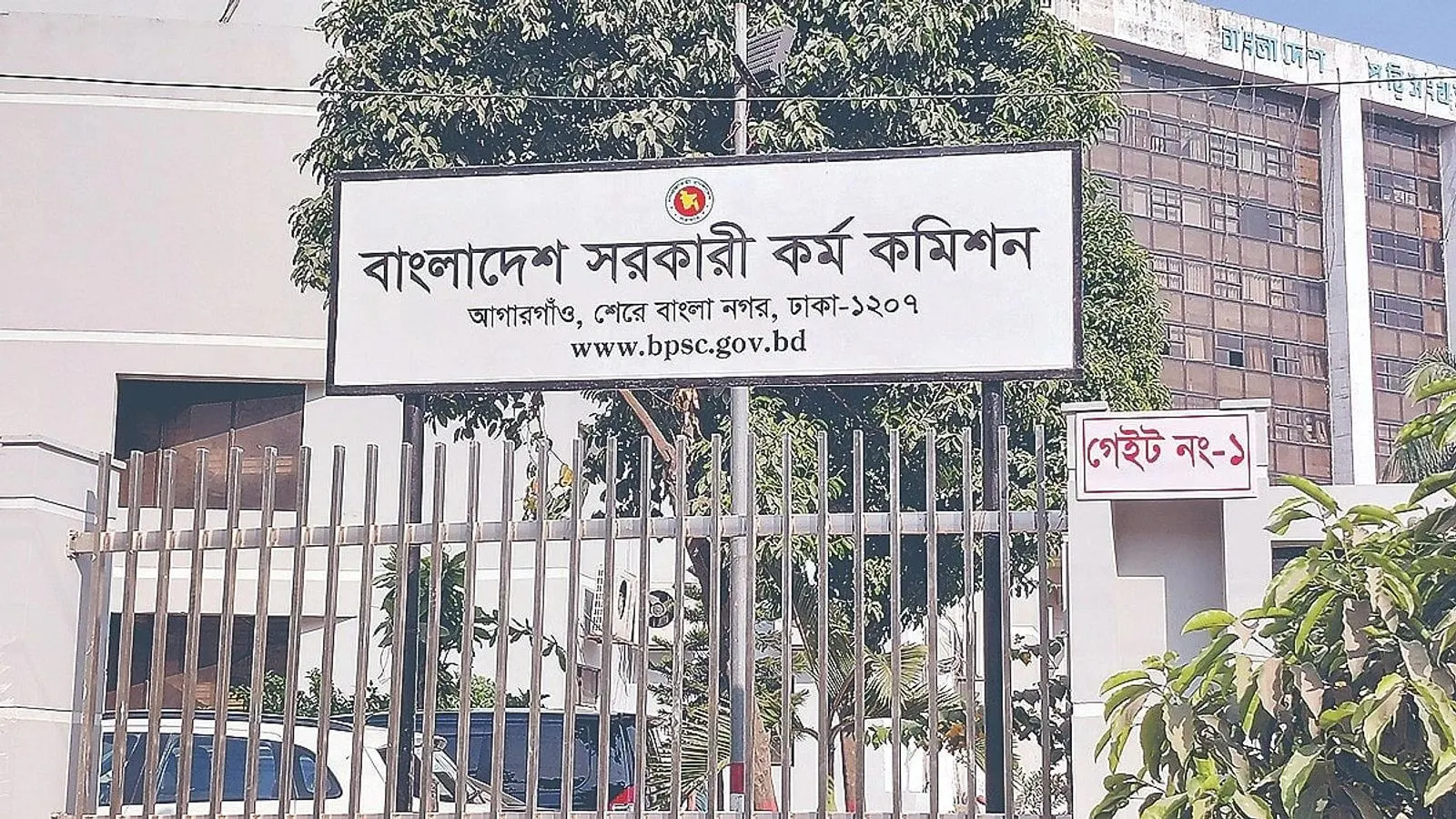
A striking majority of chairmen appointed to the Bangladesh Public Service Commission (PSC) since the country's independence have been unable to complete their official tenures, according to a comprehensive review of the constitutional body's leadership history. Out of a total of eighteen individuals who have held the position of PSC chairman over the years, only four leaders have successfully managed to serve their full designated terms in office.
In stark contrast to the four who completed their service, a significant majority of fourteen chairmen failed to finish their tenure for various reasons. The constitutional and administrative framework governing the Bangladesh Public Service Commission stipulates that a chairman's standard working period is fixed at five years, or alternatively, until the individual reaches the age of sixty-five years, whichever milestone occurs first.
The historical roster of esteemed individuals who have led the commission includes A. K. M. Bazlul Karim, M. Moynul Islam, S. M. A. Faiz, Z. N. Tahmida Begum, Saadat Hossain, Iajuddin Ahmed, Mostafa Chowdhury, Ikram Ahmed, A. T. Ahmedul Huq Chowdhury, Sohrab Hossain, and Mobasser Monem. These figures represent the leadership lineage of the vital state institution tasked with conducting civil service examinations and recruitment.
Among the notable recent developments concerning the leadership of the commission, Sohrab Hossain formally resigned from his position on the 8th of October, 2024. His departure adds to the extensive list of chairmen who stepped down or otherwise vacated the office before the expiration of their officially allotted statutory timeframe.
The high rate of incomplete terms among the eighteen total chairmen highlights ongoing administrative challenges within the Bangladesh Public Service Commission, an organization fundamentally crucial to the governance of the nation. The Supreme Court and various other national bodies frequently interact with the commission, which operates as an independent constitutional entity within Bangladesh.