
Moroccan PM Aziz Akhannouch Reacts Over 2030 World Cup Final Venue Claim
Moroccan Prime Minister Aziz Akhannouch has expressed dissatisfaction following premature announcements regarding the 2030 World Cup final venue. The controversy arose after remarks concerning Casablanca hosting the match, despite FIFA not yet finalizing the location.
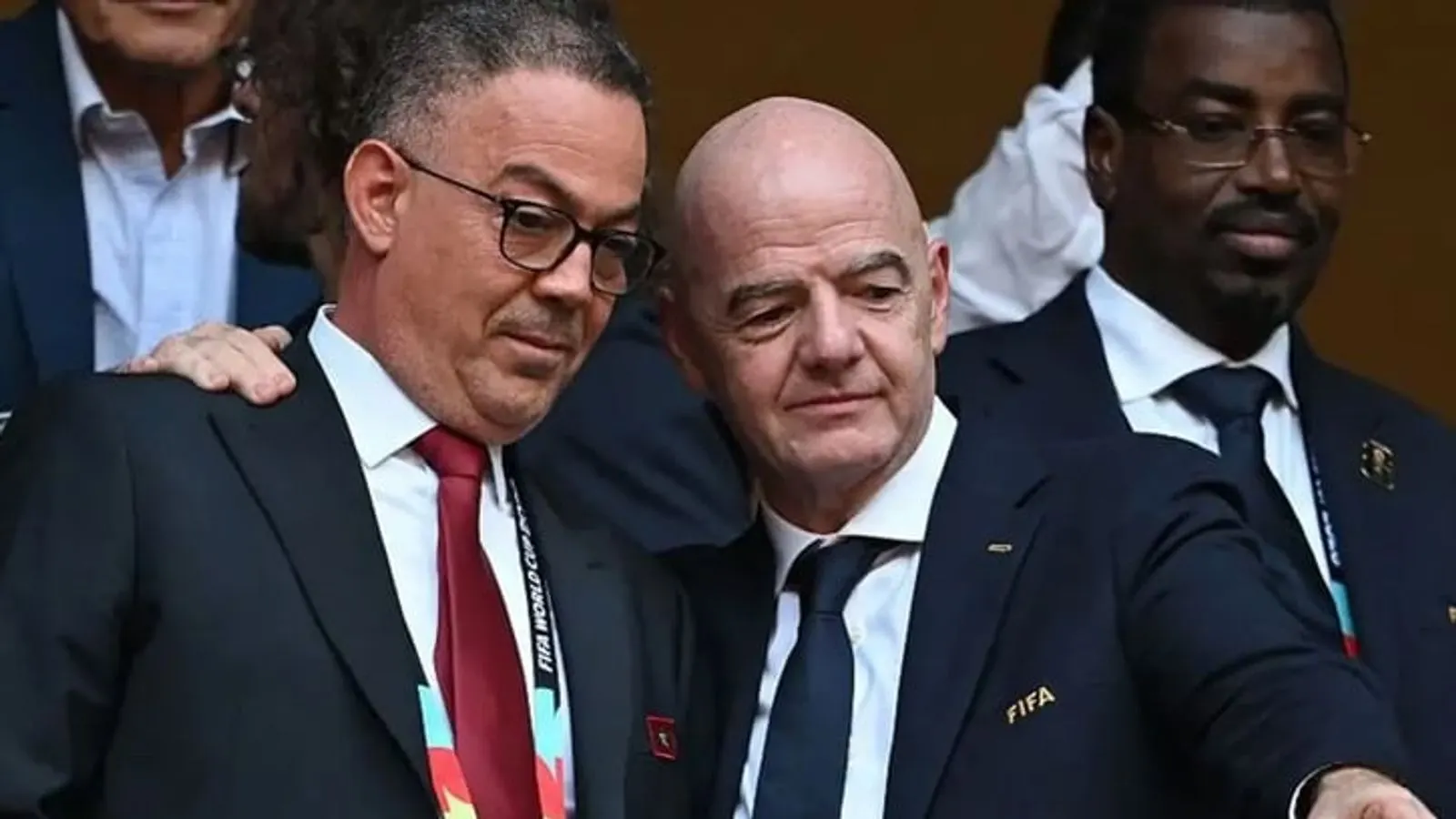
Moroccan Prime Minister Aziz Akhannouch has expressed clear dissatisfaction following premature declarations regarding the venue for the 2030 FIFA World Cup final. The core of the disagreement centers around statements made by Fouzi Lekjaa concerning Casablanca hosting the ultimate match of the tournament, an announcement that preceded any official decision by global football's governing body.
The 2030 tournament has already been officially designated as a joint hosting venture between Morocco, Spain, and Portugal, bringing together three nations across two continents. However, despite the overarching cooperative agreement among the three bidding countries, the definitive location for the high-profile tournament final remains entirely unconfirmed by FIFA.
Central to the discussions surrounding Morocco's hosting capabilities is a major infrastructural project currently underway in the country. Moroccan football federation figures and local organizers have been highlighting a massive, proposed stadium featuring a capacity of 115,000 seats, which is intended to serve as a centerpiece for the nation's matches.
Progress on this monumental 115,000-seat stadium construction project has been advancing steadily on the ground. According to confirmed project tracking data, physical construction work on the massive sports arena had reached approximately 30 percent completion by the month of May.
As preparations continue across Morocco, Spain, and Portugal, the diplomatic and administrative balancing act among football officials remains delicate. With figures like Gianni Infantino overseeing the broader FIFA framework, local leaders such as Aziz Akhannouch and Fouzi Lekjaa must navigate official channels carefully while infrastructure development on the 115,000-seat stadium presses forward.