
Ministry Orders Reduced TV Screen Time for Ministers in Bangladesh
Bangladesh's Ministry of Information and Broadcasting has issued directives to minimize unnecessary television appearances for the minister and state minister. The state minister also instructed state media to provide proportional coverage for opposition parties.
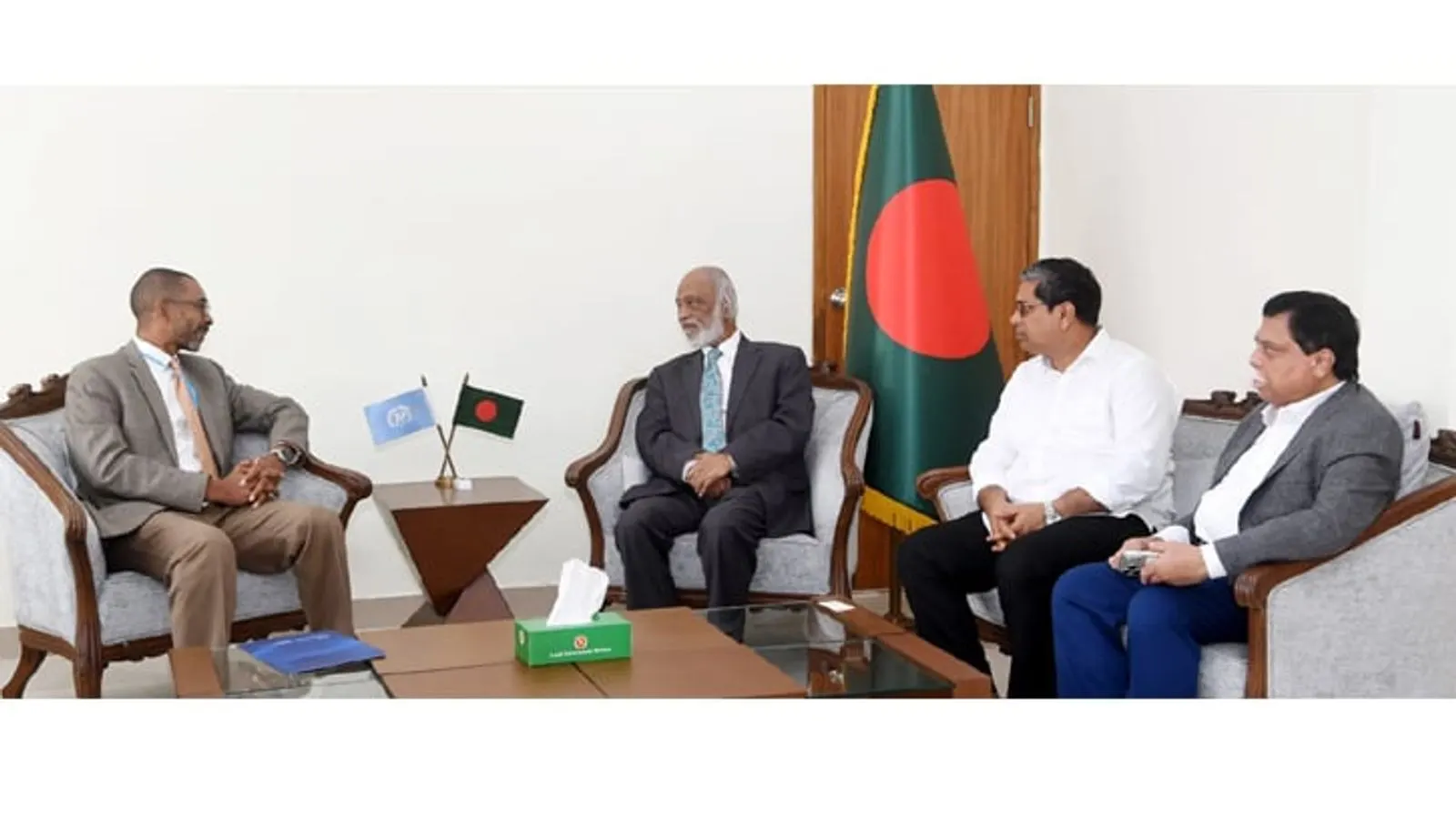
In a significant directive concerning state media operations in Bangladesh, the Ministry of Information and Broadcasting has instructed authorities to avoid unnecessary or excessive television screen time for both the minister and the state minister. This development was officially recorded in Dhaka on August 29, 2026, marking a notable shift in how state-run television channels cover high-ranking government officials.
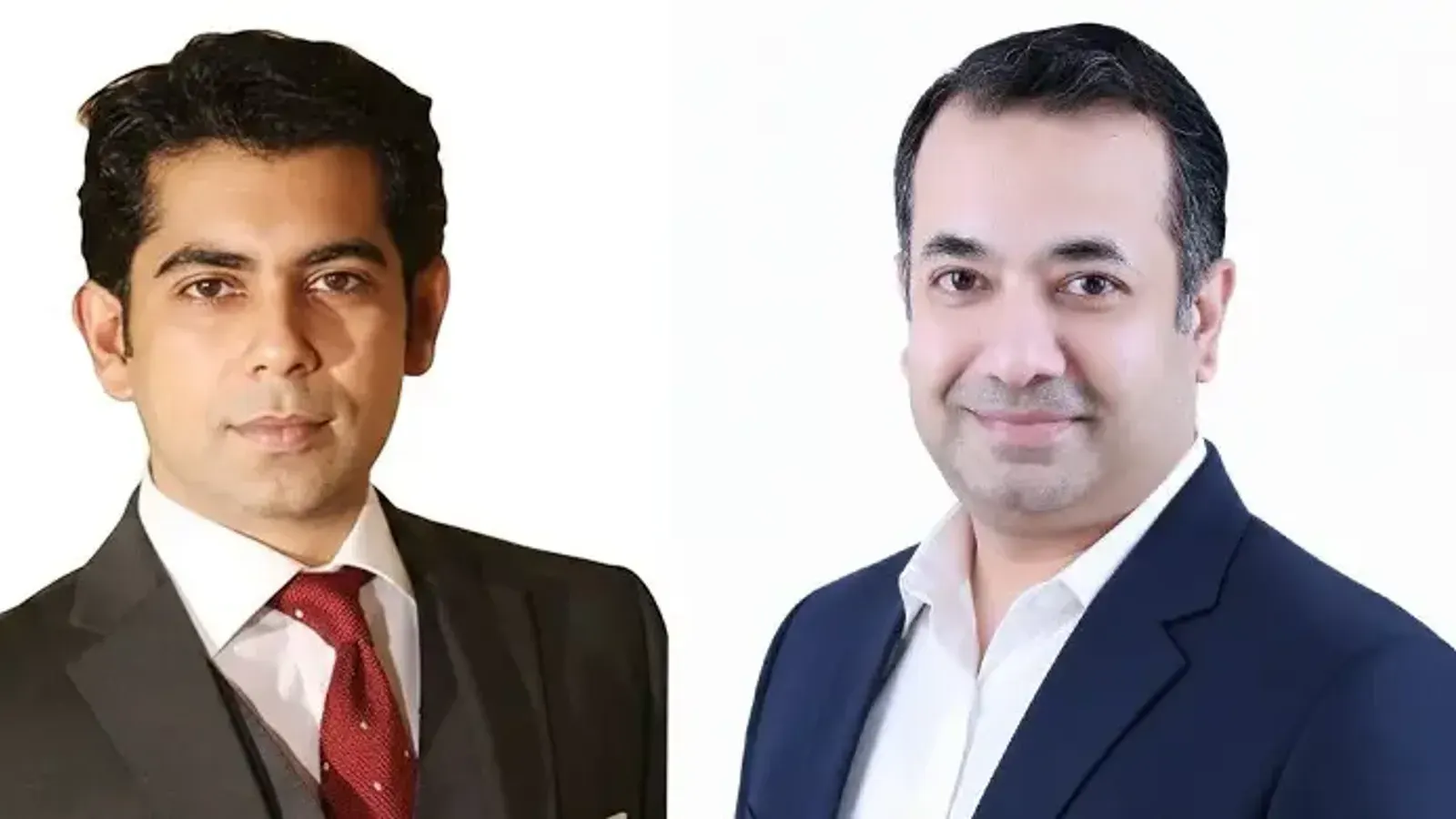
During discussions surrounding media coverage, State Minister Mohiuddin Ahmed expressed a clear preference for a low profile on national broadcasts. Highlighting the need to curb self-promotion and excessive spotlight, the state minister explicitly stated that officials do not need to be featured repeatedly in news bulletins. Emphasizing this stance, the state minister remarked, 'We do not need to be shown on the news so many times. The less you show us, the happier we will be,' reflecting a desire to reduce personal visibility on state networks.
Echoing these sentiments during the proceedings, Andaleeve Rahman Partha questioned the frequency of his own appearances, asking aloud, 'Why am I being shown so many times over there?' This inquiry underscored a broader consensus among officials present at the ministry meetings regarding the overuse of government figures in daily television segments, prompting immediate calls for structural changes in broadcast curation.
Beyond limiting the presence of cabinet members, the state minister issued specific instructions to state media outlets, including BTV and other government channels, regarding political pluralism. The directives mandate that state-run media must ensure proportional news coverage for both parliamentary opposition parties and political entities currently operating outside of parliament, ensuring a more balanced representation of the nation's political landscape.
Furthermore, the policy framework outlines that all political factions and individuals will be granted coverage by the state-owned media apparatus, provided there are no explicit bans or legal complications attached to them. This ensures that the state broadcaster remains accessible to a diverse array of voices while strictly scaling back the visual prominence of the information and broadcasting ministry's top leadership.