Millions of UK Savers Lose Billions Due to Bank Loyalty and Inertia
A new Hargreaves Lansdown survey reveals that almost two thirds of British savers have remained with the same bank for more than a decade. Analysts warn this widespread consumer inertia is costing the public £12bn in missed interest every year.
A comprehensive new analysis published recently by financial services firm Hargreaves Lansdown has shed light on the deep-seated loyalty British consumers show toward their financial institutions. Based on a survey of 3,000 British adults conducted in August, the research examines the complex relationship between bank switching incentives, consumer behavior, and saver inertia across the United Kingdom. The findings highlight a striking paradox in the UK banking sector, where millions of customers routinely leave their cash in low-yielding accounts despite better options being readily available on the market.
According to the data, almost two thirds of British savers have maintained their accounts with the same bank for more than a decade. Commenting on this phenomenon, Simon Belsham noted that millions of individuals leave their cash with the exact same institution by default. Belsham emphasized that this entrenched inertia is worth an absolute fortune to traditional high street banks, while simultaneously costing British savers billions of pounds every single year. Furthermore, Belsham pointed out that doing nothing might feel easy for the customer, but it fundamentally leads to poor financial returns.
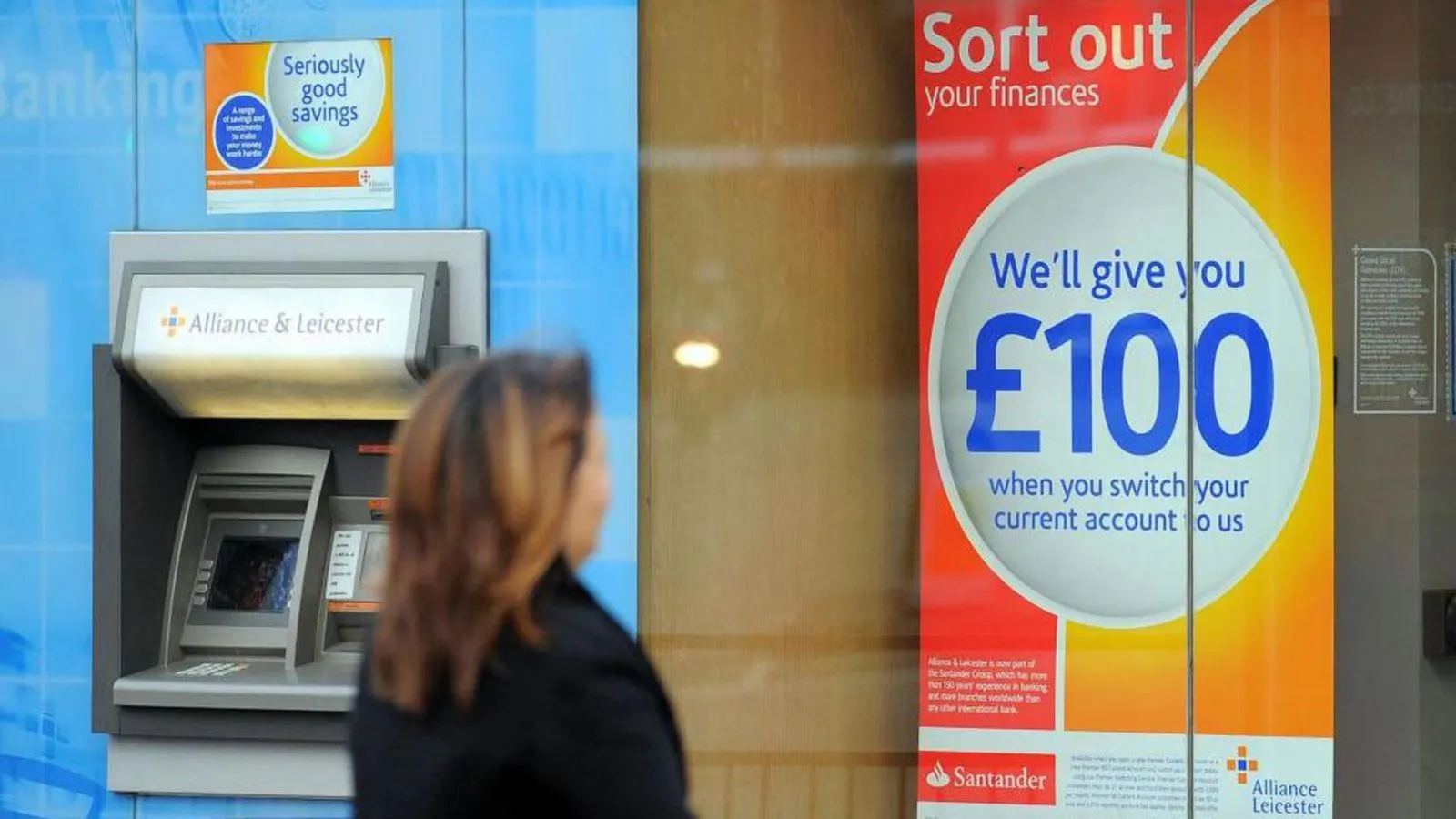
Despite this apparent loyalty, the survey indicates that consumers are certainly conscious of financial incentives when they do decide to take action. Simon Belsham explained that savers clearly care about interest rates, noting that when individuals finally move their money, the overwhelming reason is to secure a better return. However, Belsham observed that what ultimately holds many people back is the perceived effort and hassle of repeatedly finding, opening, and juggling multiple different accounts. Addressing this friction, more than five banks are currently offering financial incentives to encourage consumers to switch, with the largest cash bonus currently standing at £220.
To facilitate this movement, the Current Account Switch Service (CASS) provides a streamlined mechanism for consumers. CASS is supported by over 50 UK banks and building societies, offering a completely free switching process that safely takes just seven working days to complete. Industry experts suggest these promotional sweeteners are vital for market competitors. Sarah Coles remarked that people are incredibly loyal to their primary bank, which is precisely why competing institutions need to offer financial sweeteners to entice new customers away from legacy providers.
Coles further elaborated on the long-term commercial strategy behind these enticing switching bonuses from the perspective of the financial institutions. She explained that it is ultimately worth the investment for the banks, because securing a new customer grants them a captive audience who are statistically much more likely to purchase additional financial products down the line. Nevertheless, financial commentators urge consumers to exercise caution and look beyond the initial cash reward when evaluating their options in the marketplace.
Providing practical guidance for consumers, Sarah Coles advised that any switching bonus should merely be treated as the cherry on top. She stressed that people should never overlook other critical aspects of the banking relationship, such as a bank's established reputation for customer service, any applicable overdraft charges, and crucially, what ongoing savings rate the institution actually offers. Additionally, Coles offered a timely warning for anyone considering a move in the near future, stating that if you are planning to apply for a loan or a mortgage in the next 12 months, you may want to wait until that major financial deal is completely done before switching accounts.