Microbiome Forensics Advance in Criminal Investigation Trials
Researchers and forensic scientists in the United States and the United Kingdom are advancing microbiome forensics to explore bacteria left at crime scenes. Recent trials and database developments highlight both the potential and the current limitations of using bacterial analysis for suspect identification.
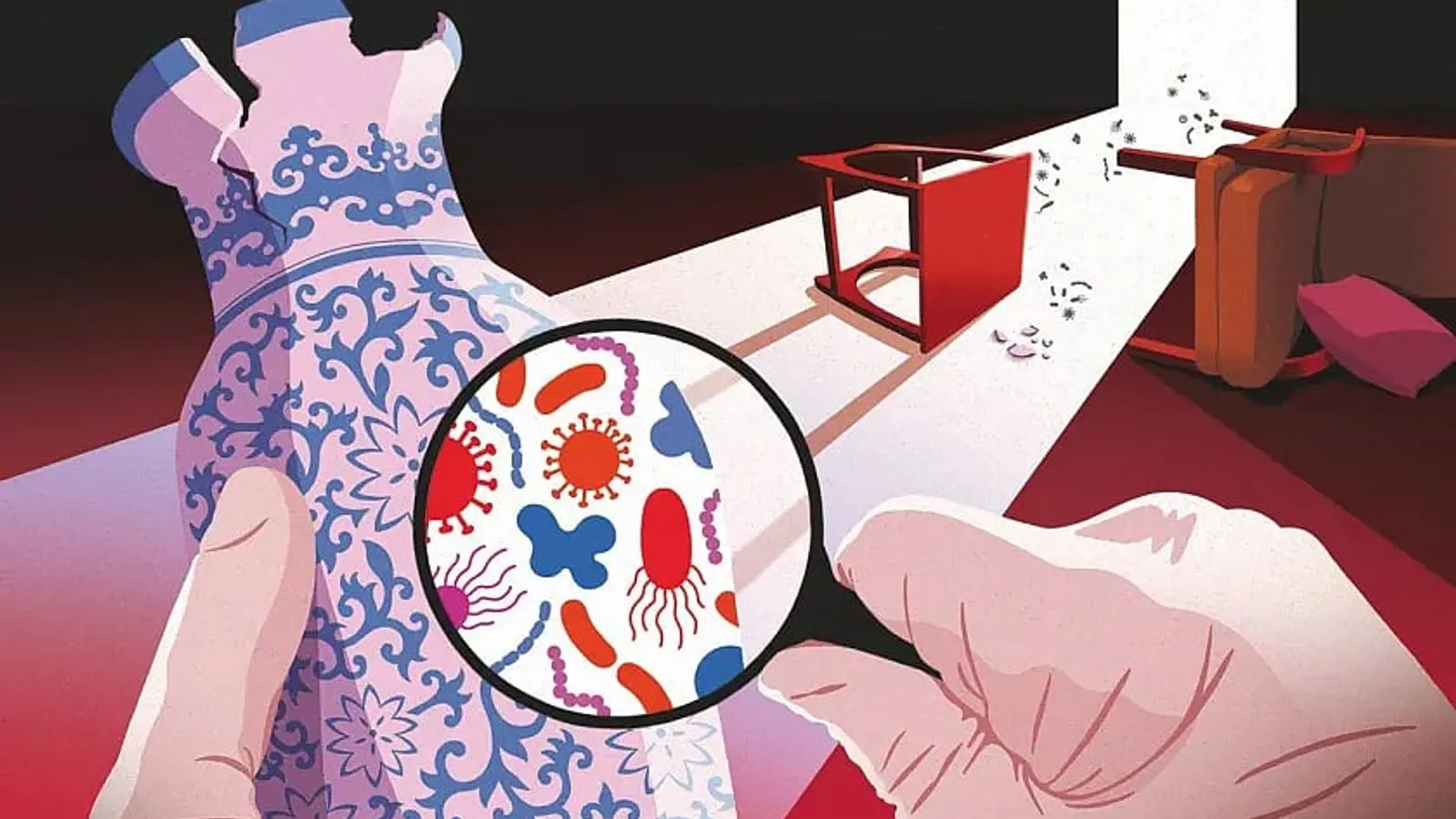
The journey of forensic microbiology officially began back in the 1990s, marking the initial entry of microbial science into the realm of criminal investigations. Over the subsequent decades, researchers have continually explored how microscopic traces left behind at crime scenes could potentially aid law enforcement agencies in tracking down perpetrators. This long-standing scientific endeavor relies on the understanding that humans shed millions of microbes daily, leaving unique biological signatures on objects they touch.
A significant milestone in this field occurred in the year 2010, when researcher Rob Knight from the University of California successfully proved that bacteria left behind on everyday items such as computer keyboards and computer mice could be analyzed. By examining these microbial traces and comparing them against an established database, Knight demonstrated that it was possible to accurately trace the items back to their rightful owners, opening new doors for digital and forensic detectives alike.
Further practical explorations took place during the summer of 2015 in the city of Hollywood, Florida. In that specific instance, researchers conducted a controlled experiment utilizing a staged burglary scenario to test the viability of collecting and analyzing bacteria left behind at a simulated crime scene. This real-world simulation provided valuable practical insights into how microbial evidence behaves in dynamic environments and how forensic teams might collect such delicate biological traces during actual police investigations.
Despite these technological advancements, researchers noted in a study published in 2020 that the method of identifying criminals through bacterial identification was still not sufficiently reliable for official criminal investigations at that time. Experts emphasized caution, stating directly that the method for identifying criminals in forensic investigations through this approach is still not reliable, highlighting the need for further scientific validation, larger databases, and more refined analytical techniques before widespread courtroom adoption.
Continuing the push for practical application, forensic scientist Noemi Procopio and crime-scene expert Andy Nixon from the University of Central Lancashire conducted a specialized test in 2025 involving 100 new police officers. This recent trial in the United Kingdom, alongside ongoing developments in the United States involving institutions such as Nova Southeastern University, Chaminade University of Honolulu, the University of California, and the University of Chicago, continues to shape the future intersection of microbiology and criminal justice.