

Medications Weaken Body Heat Regulation During Extreme Heatwaves
Common prescriptions for mental health and cardiovascular conditions can disrupt the body's natural cooling mechanisms during severe heatwaves. Medical experts note that these drugs interfere with temperature regulation, sweating, and hydration.
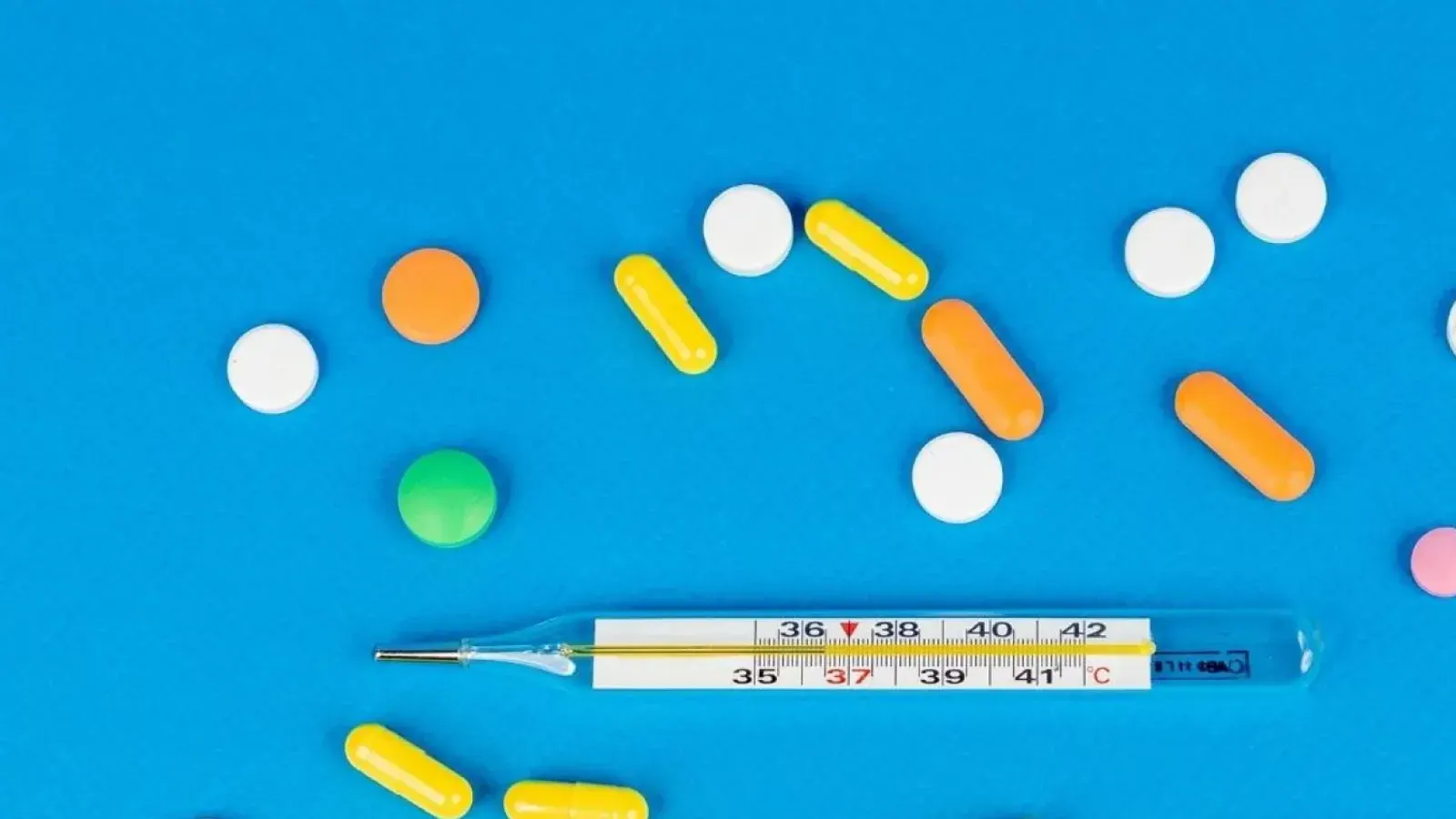
Common medications prescribed for conditions such as depression, attention deficit hyperactivity disorder, high blood pressure, and heart disease can significantly affect the human body's normal temperature regulation process during extreme heatwaves. As global temperatures rise and severe heat events become more frequent, health risks associated with routine pharmaceutical treatments are drawing increased attention from medical professionals across various international regions, including Brussels and Los Angeles.
Specific drug classes, such as antidepressants including selective serotonin reuptake inhibitors (SSRIs) and serotonin-norepinephrine reuptake inhibitors (SNRIs), can directly affect serotonin levels within the brain. This neurochemical impact can interfere with the body's natural temperature regulation system and cause excessive sweating, compounding the physical toll of high environmental temperatures on vulnerable patients.
Cardiovascular medications also pose distinct challenges during periods of intense heat. Diuretics, ACE inhibitors, and angiotensin receptor blockers (ARBs) utilized for the management of high blood pressure can increase the risk of dangerous electrolyte imbalances while simultaneously affecting the body's normal sensation of thirst. Additionally, beta-blockers can reduce blood flow to the skin, actively disrupting the body's natural physiological process of releasing excess heat into the surrounding environment.
The real-world impacts of these pharmacological side effects during extreme weather events are highlighted through individual experiences in affected urban areas. Twenty-eight-year-old ইলিয়ানা ওকুমুস described the physical toll of extreme indoor heat, noting that stepping out of her apartment immediately triggered facial sweating, and that cooling down could take anywhere from half an hour to a full hour.
Describing a particularly severe day when indoor conditions peaked, ইলিয়ানা ওকুমুস stated that the apartment's internal temperature reached 34 degrees Celsius, leading her to sleep for approximately 18 hours. Meanwhile, 36-year-old ক্যারোলিন ফ্রেসিন reflected on the hidden dangers of pharmaceutical side effects during heatwaves, noting that despite being aware of her mental health issues and the general side effects of her medications, the thermal risks were something she was entirely unaware of.